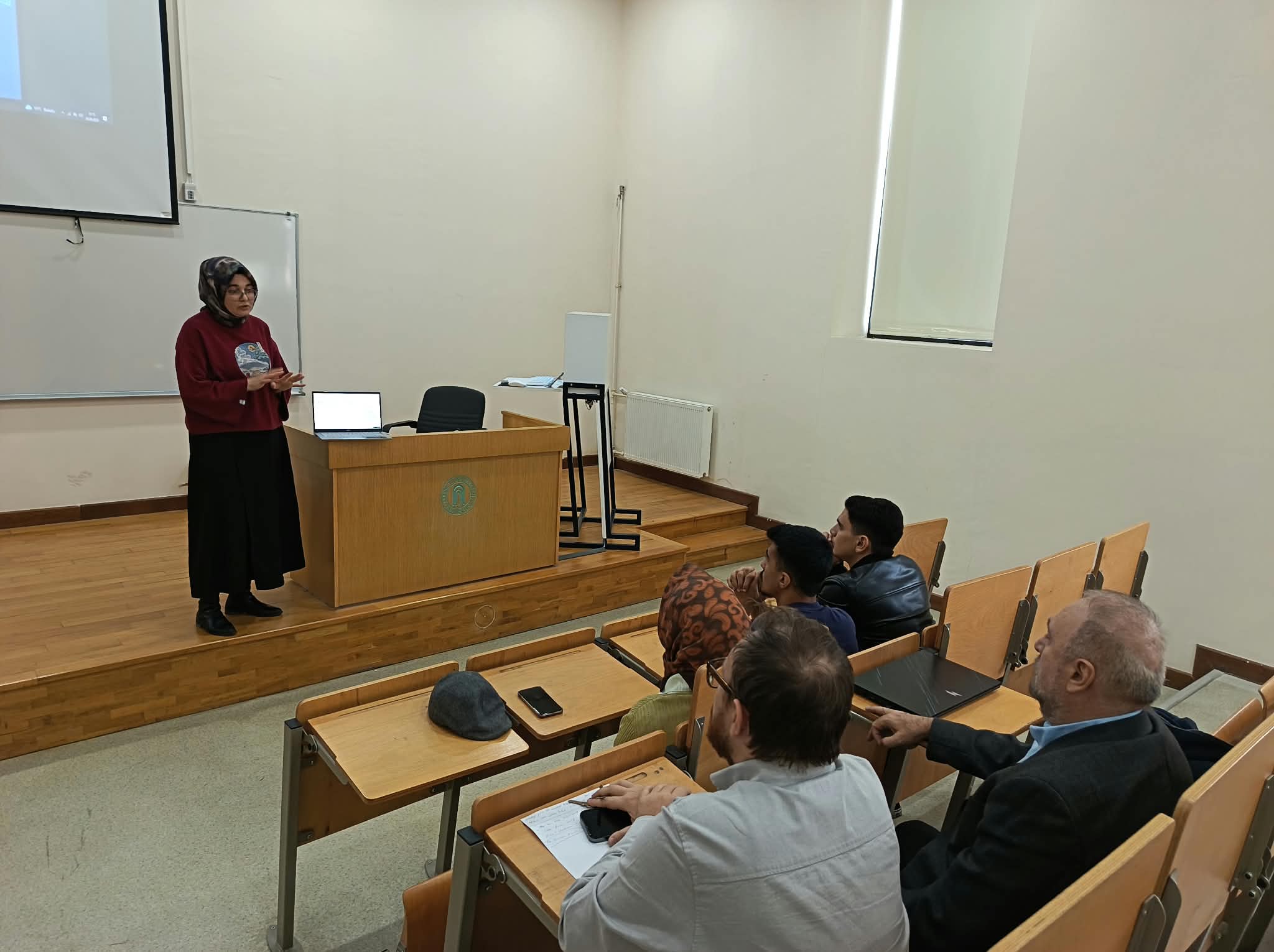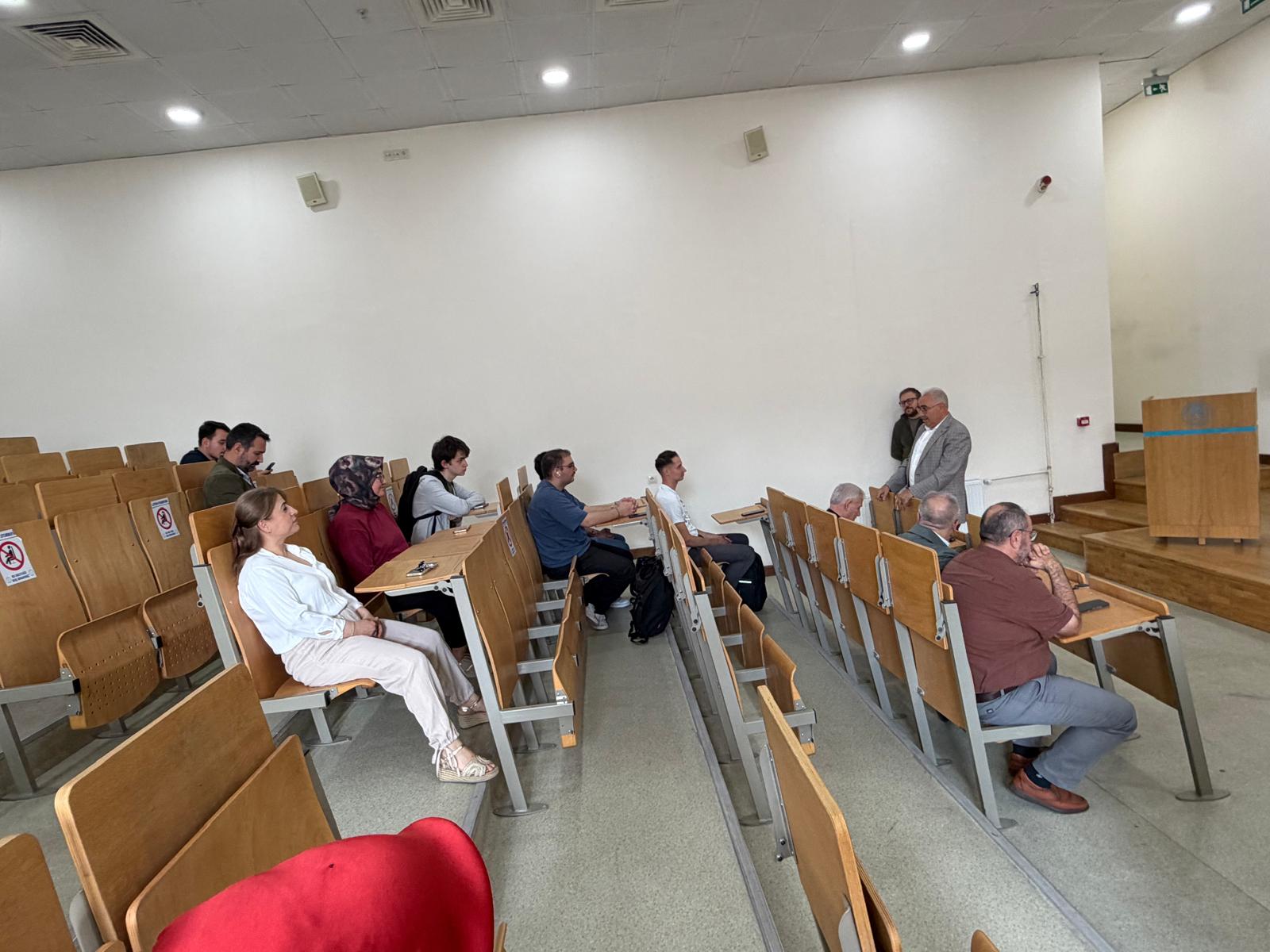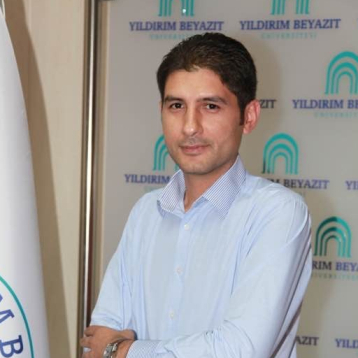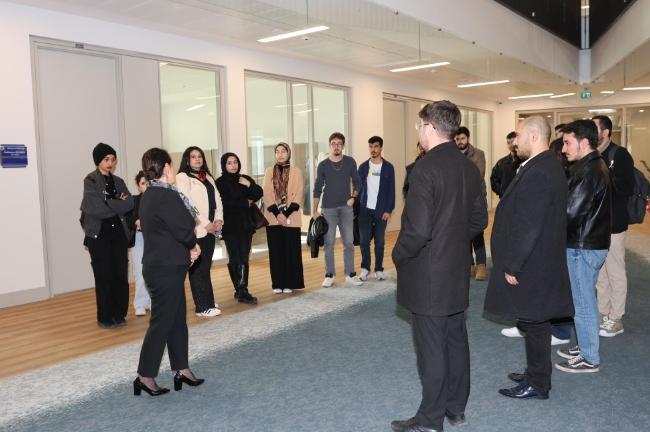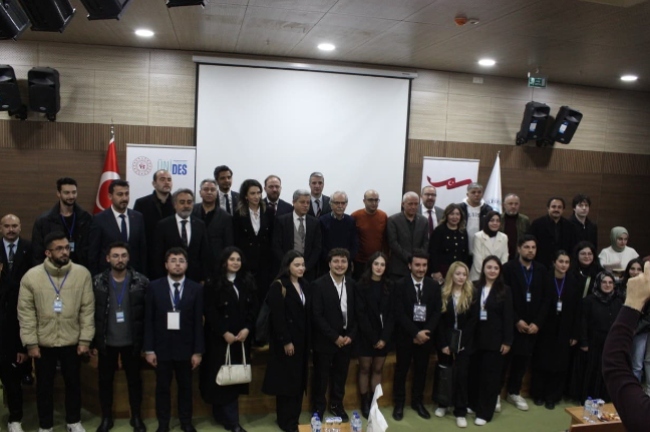

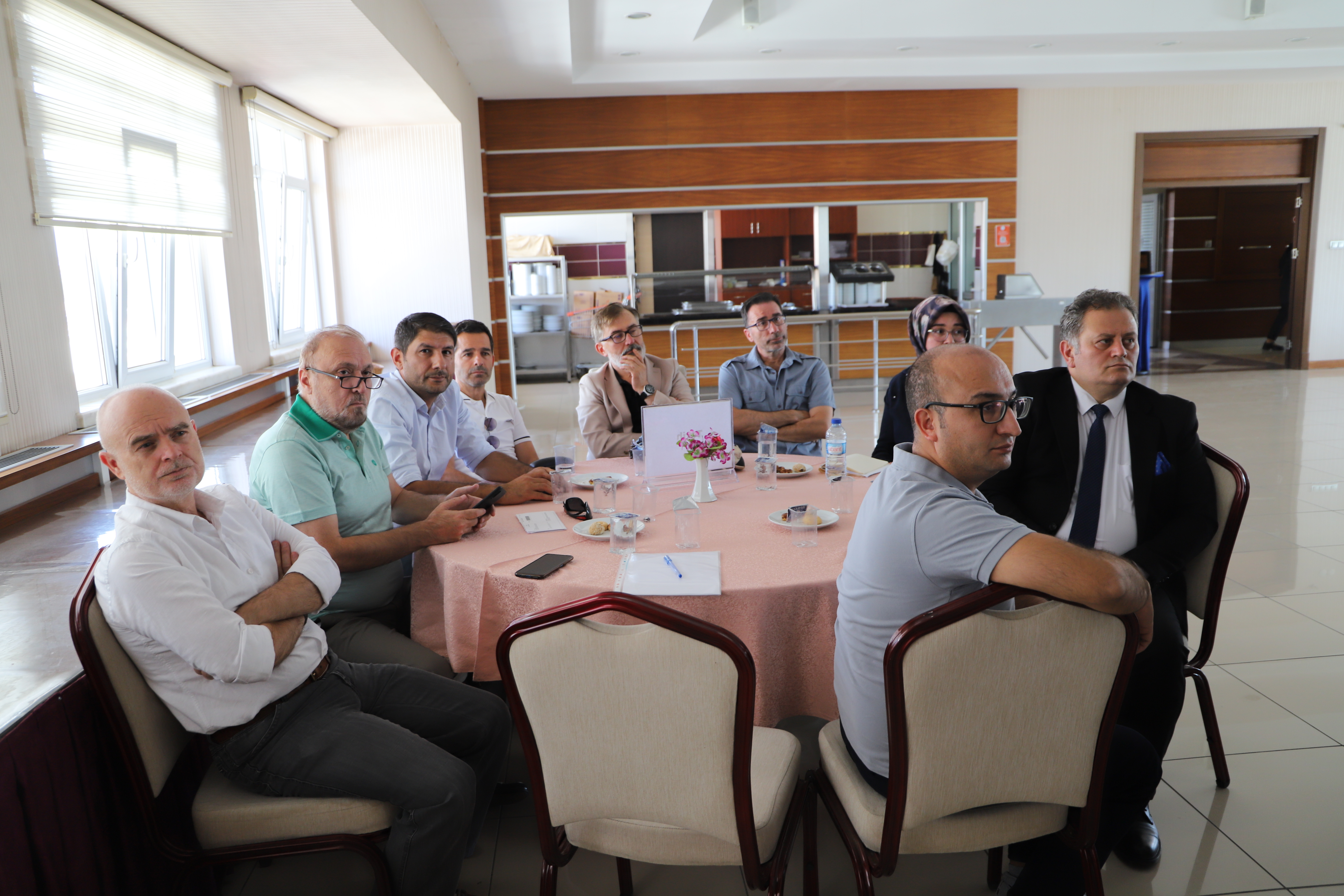
The workshop titled “Artificial Intelligence and the Future of Higher Education: Redesigning Curricula,” organized by Ankara Yıldırım Beyazıt University’s Faculty of Humanities and Social Sciences, was held on September 10, 2026, at AYBU Etlik Milli İrade Campus.
The workshop addressed the transformation brought about by artificial intelligence technologies in higher education and its implications for university curricula. Discussions focused on the knowledge, skills, and competencies that will be needed in the higher education of the future, as well as on updating curricula accordingly.
The workshop began with an opening speech by Prof. Dr. Hüseyin Tutar, Dean of the Faculty of Humanities and Social Sciences. Key issues concerning the future of higher education were discussed, including the integration of artificial intelligence into higher education, interdisciplinary curriculum design, the impact of digitalization on academic studies, and micro-credentials. The program also featured presentations by academics specializing in various fields. Prof. Dr. Mehmet Kemal Özdemir from Istanbul Medipol University and Dr. Fatma Aladağ from Marmara University contributed to the workshop with their presentations. Prof. Dr. Güven Delice from AYBU provided insights into the role of micro-credentials in higher education and their integration into educational programs.
The workshop brought together academics from Ankara University, Ankara Social Sciences University, Kırıkkale University, and Middle East Technical University, as well as external stakeholders from various institutions and organizations. Representatives from institutions including the Ministry of Family and Social Services, the Turkish Statistical Institute (TURKSTAT), and the Institute of Urban Studies participated in the workshop. The future of higher education and the transformation of curricula were discussed from diverse institutional perspectives and experiences.
In the second part of the workshop, departmental working groups convened to discuss the reassessment of existing curricula in light of artificial intelligence and digital transformation. In this context, Prof. Dr. Kenan OLGUN, Prof. Dr. Tekin ÖNAL, Prof. Dr. Musa Şamil YÜKSEL, Prof. Dr. Erkan TURAL, Assoc. Prof. Dr. Nuri SALIK, Asst. Prof. Dr. Necmettin AYAN, and Research Assistant Güllü KOÇER AK from our Department of History participated as internal stakeholders. Prof. Dr. Rahman ADEMİ, a member of the Council of Higher Education (YÖK) Supervisory Board, and representatives from TURKSTAT also took an active part in the discussions.
The History Department Working Group discussed a range of issues, including the role of artificial intelligence in history education and research; AI-assisted source analysis and archival studies within the field of digital humanities; the reassessment of the history curriculum from an AI perspective; assignment and project models designed to enable students to critically evaluate AI-generated outputs; and micro-credentials and certification processes. Proposals for advancing history education in line with changing technological and epistemological conditions were also discussed, and the views and contributions of our department were shared during the workshop.
In the final part of the program, departmental curricula were evaluated at the workshop tables. Academics from different disciplines and external stakeholders shared their views and recommendations on developing existing curricula in accordance with the needs of the future.
Our department places importance on assessing the implications of digital transformation in higher education specifically for the discipline of history and on integrating new technologies into education and research processes in a qualified and informed manner.
It is expected that the assessments and recommendations put forward during the workshop will contribute to efforts to develop AYBU’s educational processes in line with the requirements of the future and to renew its curricula.