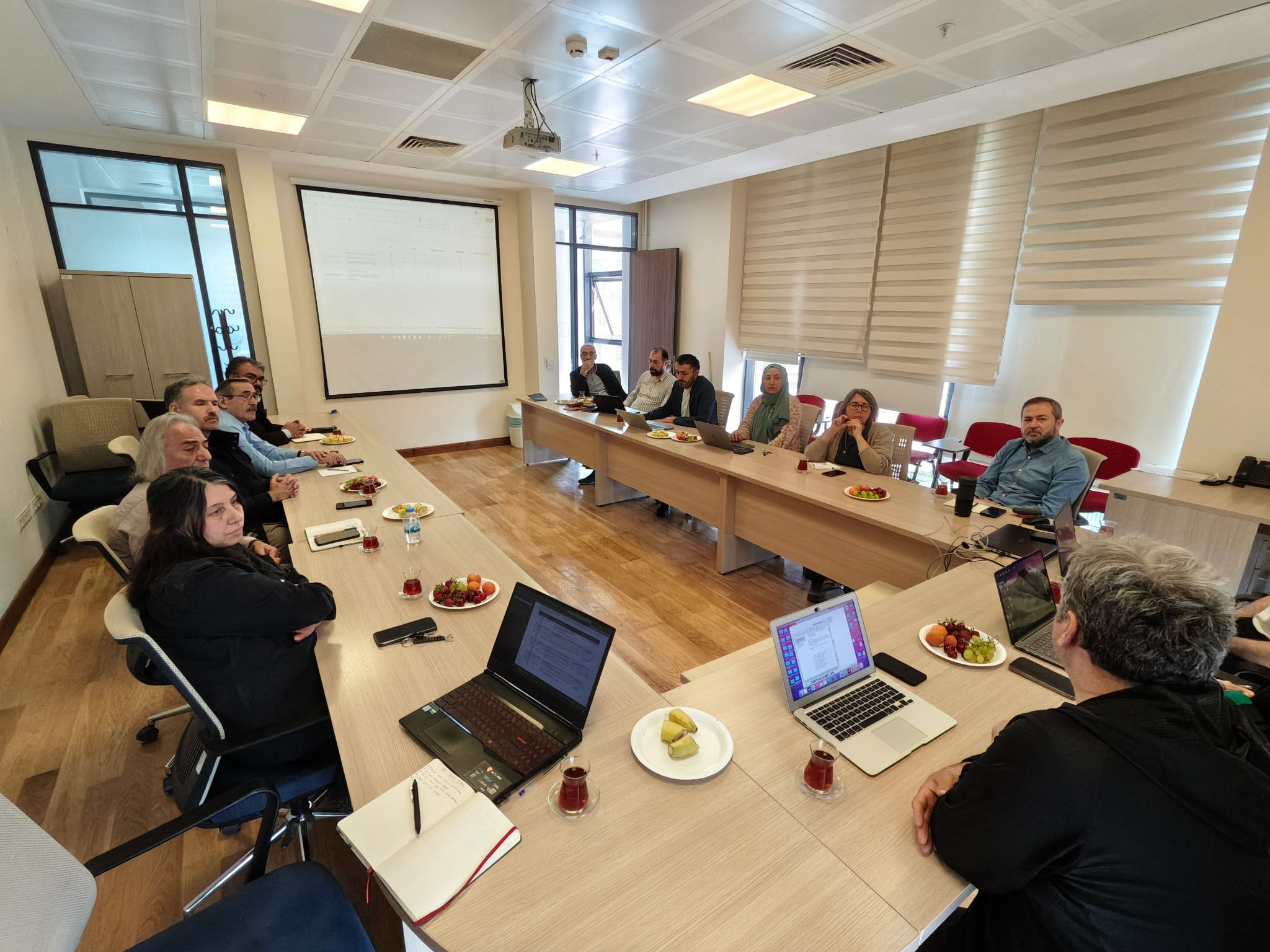

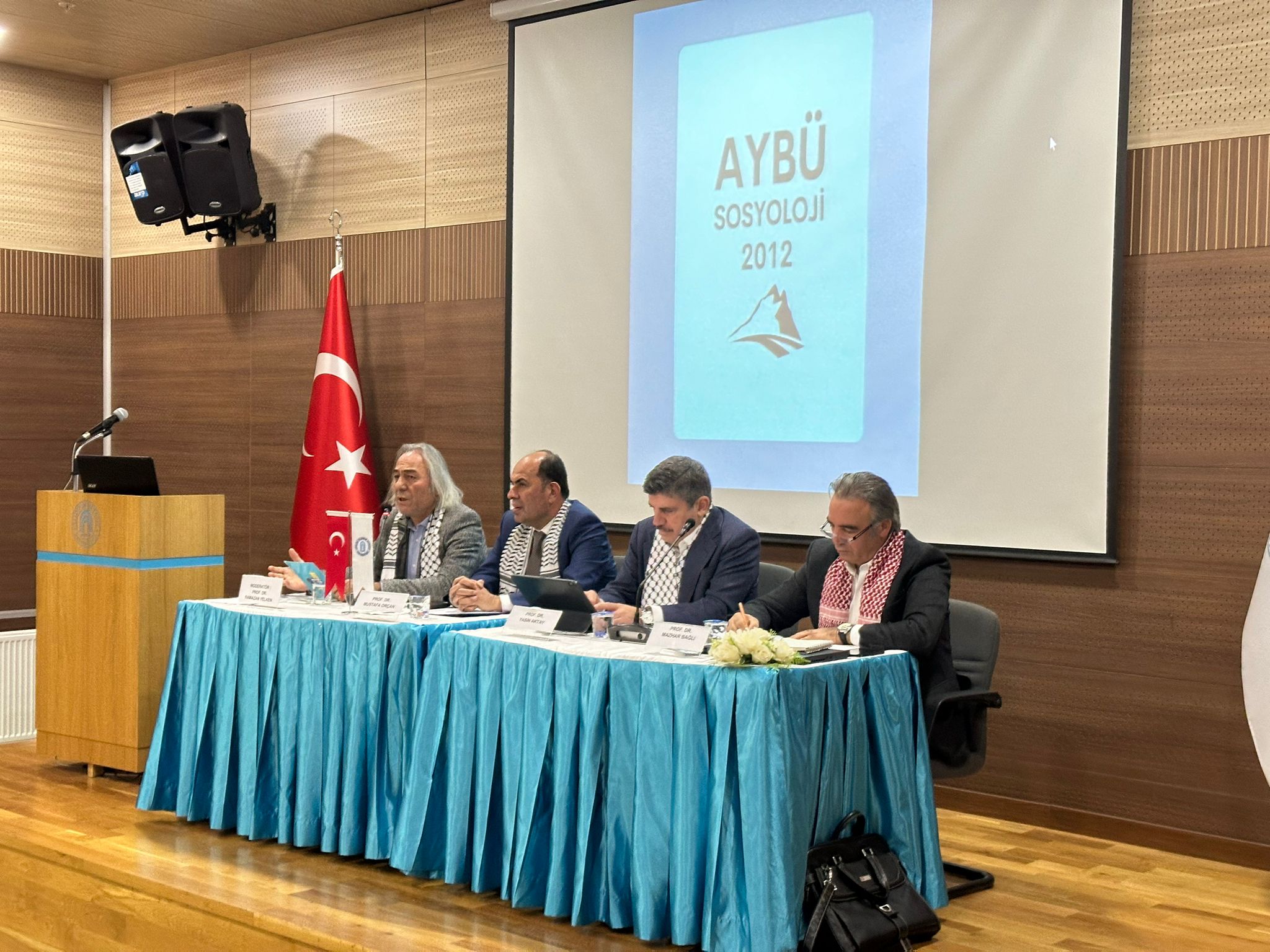
Our panel on Sociology in Turkey in the 100th Year of the Republic was held with the intense participation of our faculty members and students. Prof. Dr. Ramazan Yelken moderated the panel and Prof. Dr. Yasin Aktay, Prof. Dr. Mazhar Bağlı and Prof. Dr. Mustafa Orçan, faculty members of our department, participated as speakers.
Before starting the program, Prof. Dr. Ramazan Yelken drew attention to the suffering in Palestine and said, “The world has been experiencing an atrocity for a while. In fact, it has been going through it for a long time, but today this atrocity has gone beyond the limits of tolerance. How will humanity cope with this? It is facing a great test. Not only Palestinians, not only Muslims or a certain country, but we are facing a test of humanity. Yelken then made a short opening speech and said that the first sociology chair in Turkey was established in 1914 by Ziya Gökalp at Istanbul University, that this year is the 109th anniversary of Sociology in Turkey and that there are 106 sociology departments in Turkey today with the chairs opened over time during the republican period. Prof. Dr. Ramazan Yelken also mentioned the prominent sociology schools in Turkey from past to present and then gave the first floor to Prof. Dr. Yasin Aktay. While giving the floor to Prof. Dr. Aktay, Yelken said that he expected him to answer the question “What is the relationship between sociology and politics in the establishment phase of sociology in Turkey?”.
Prof. Dr. Yasin Aktay underlined that one of the most valuable answers to the question of how the relationship between science and politics should be belongs to Max Weber and drew attention to his articles on politics as a profession and science as a profession. Aktay emphasized that in these articles Weber questioned whether it was possible to do science independent of values, and that the point he reached was that this was not possible. Aktay stated that even when choosing a topic, a comparison is made between others and the chosen topic is chosen because it is seen as more valuable. In the context of the relationship between sociology and politics, Aktay emphasized that the emergence of sociology in Turkey is related to politics and that this situation is similar in Europe. Aktay pointed out that all founding sociologists in Europe had a goal and underlined that the questions that led to the emergence of sociology were political questions and that these political questions gave birth to sociological research. Aktay stated that the main question in Turkey was how to ensure national unity and solidarity, and that it was Ziya Gökalp who carried this question to the Republic. Aktay stated that Gökalp's ideas created a tradition of sociology and emphasized that this tradition was the only tradition of sociology in Turkey until the 1940s. Aktay underlined that there was no empirical research in this tradition because society was already considered to be known. Aktay reminded that the first to object to this tradition were the professors from the Faculty of Language, History and Geography and their leading figures were expelled from the university. Aktay ended his speech by emphasizing that the main characteristic of these names was that they adopted a Marxist sociology although they were fed from the field.
Orçan then touched on what the trend of sociology will be in the future and stated that new topics will come to the agenda, for example cyber sociology, including cybercrimes, is an area that needs to be studied in Turkey. Orçan added that with the development of artificial intelligence, the field of cyber sociology has expanded and thus a great field has opened up for sociology, that this field is new for us and that we will explore this field and that the whole world has just discovered it. Orçan also touched upon migration studies and underlined that Turkey started migration studies late and emphasized that we need migration studies seriously in the coming years. Orçan also reminded that this issue is closely related to research funds and stated that if a budget can be allocated, studies on these issues will increase. Finally, Orçan stated that another important issue is the sociology of borders and that this issue will definitely find a response when studied within sociology. Orçan stated that the official borders are not cultural borders, so there is serious material for sociology on this subject.
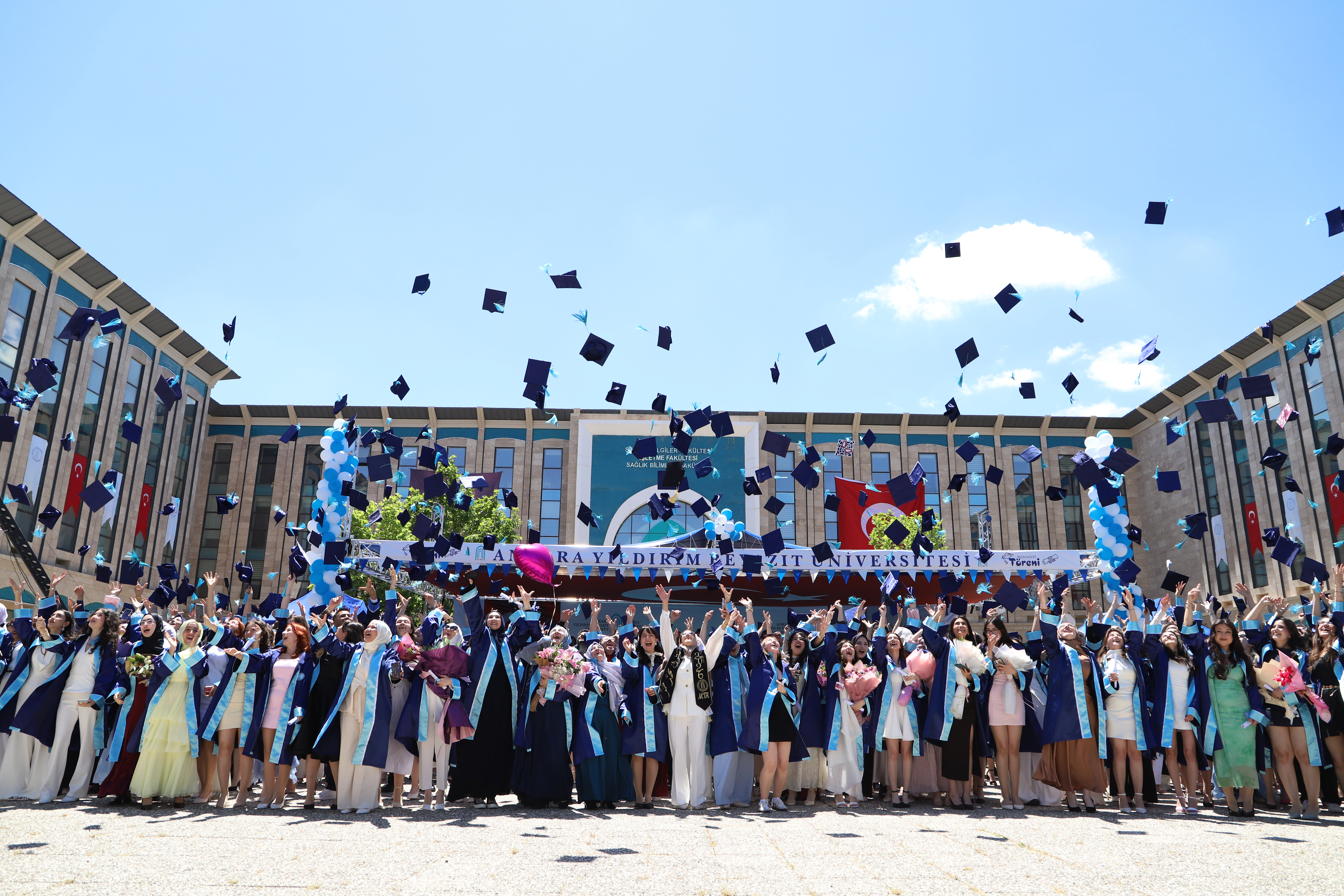
At the end of the session, questions from the participants were answered and the program ended after the faculty members and students took a photo together.