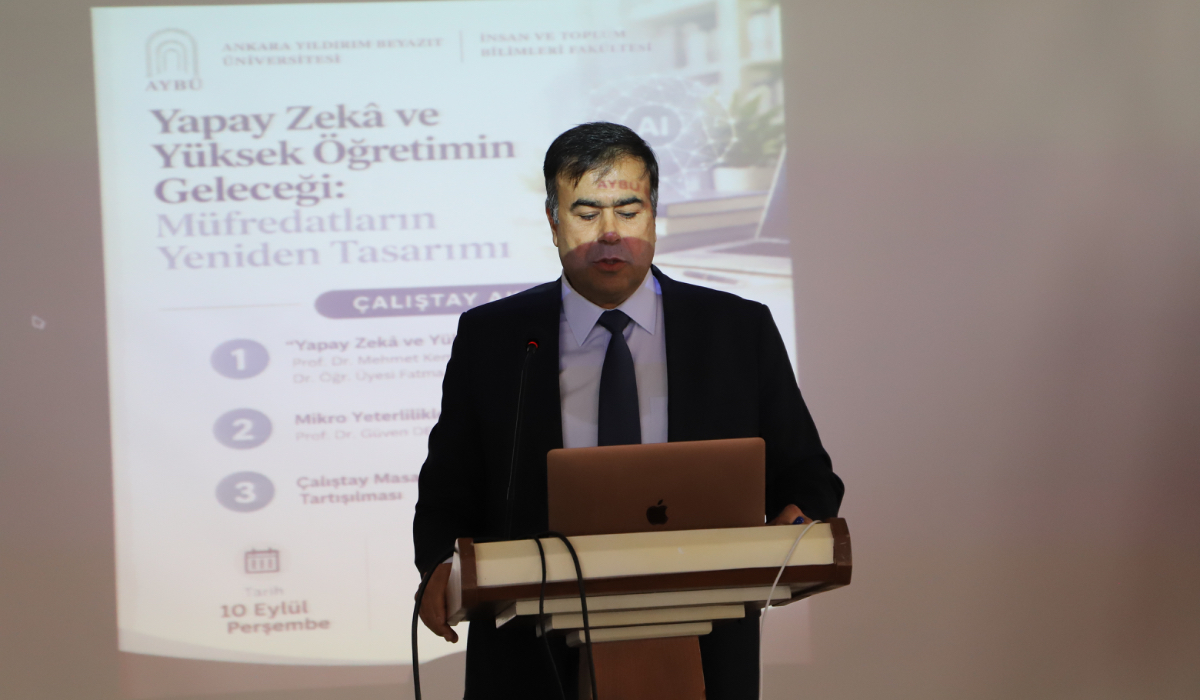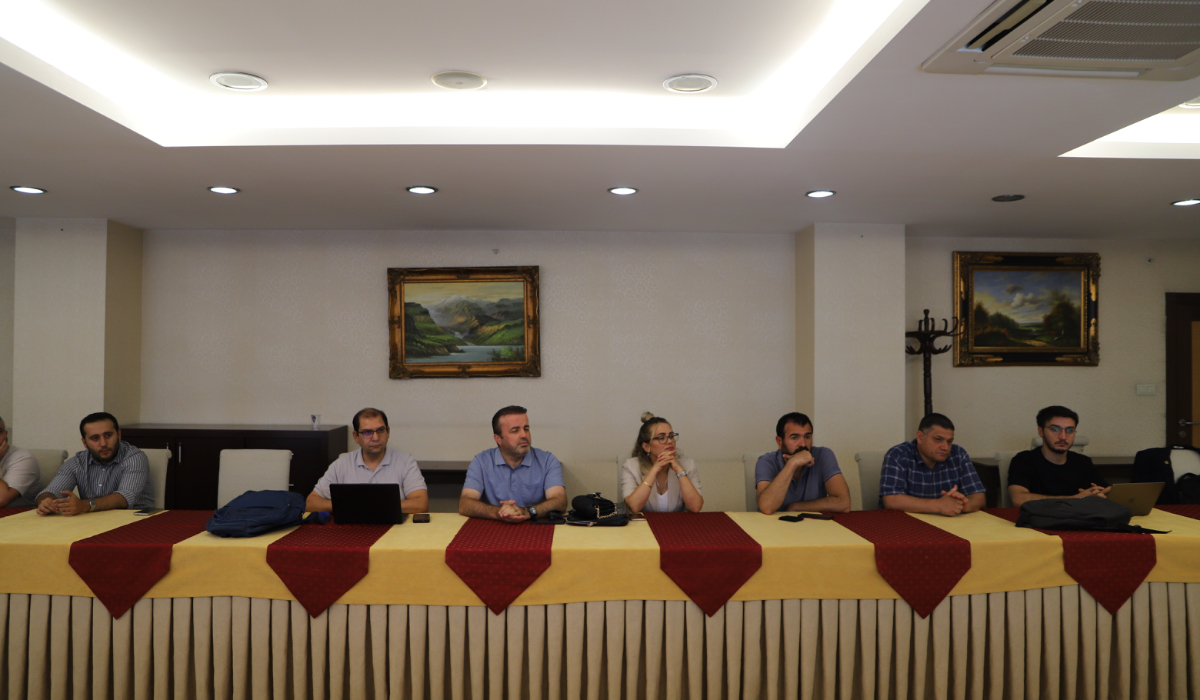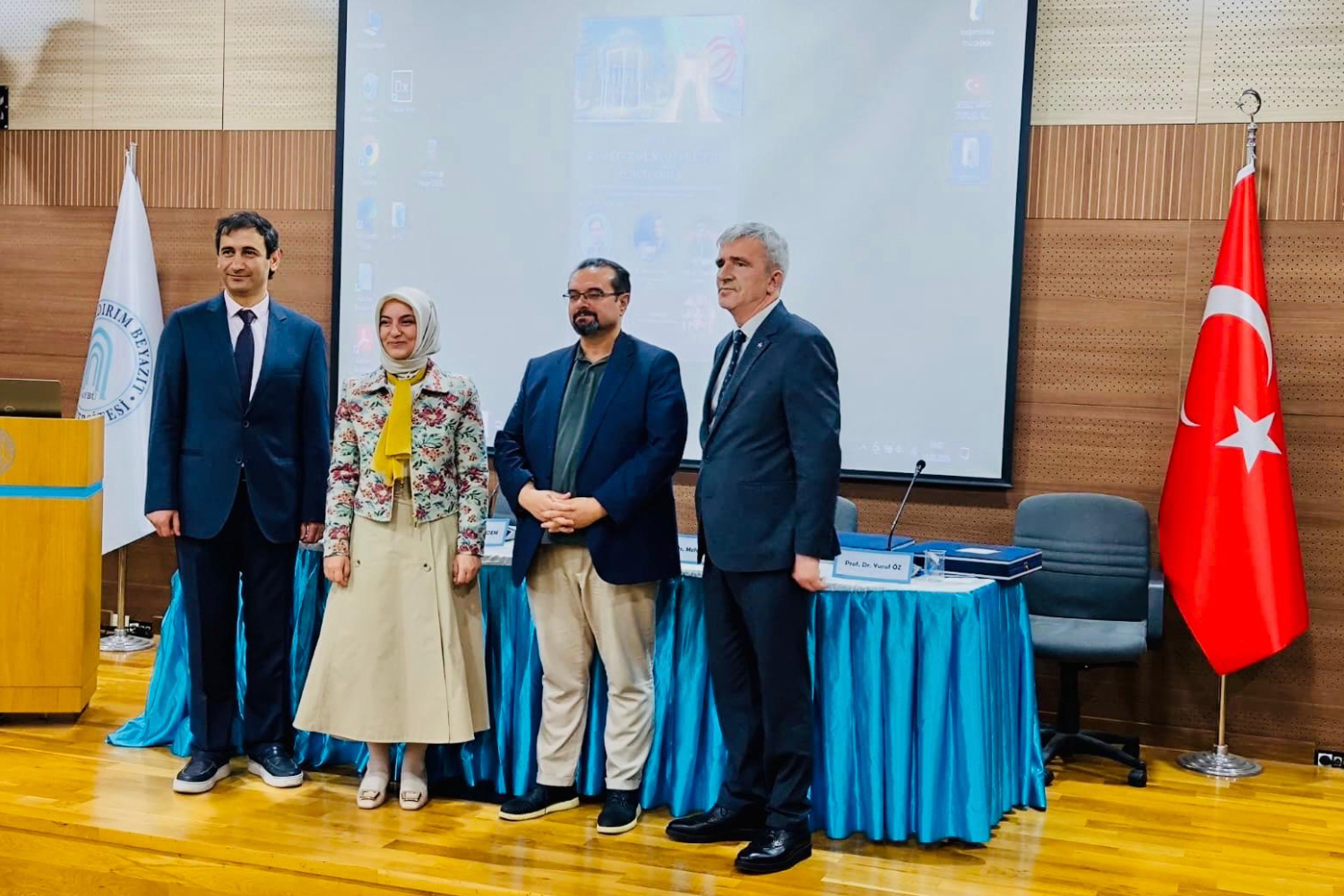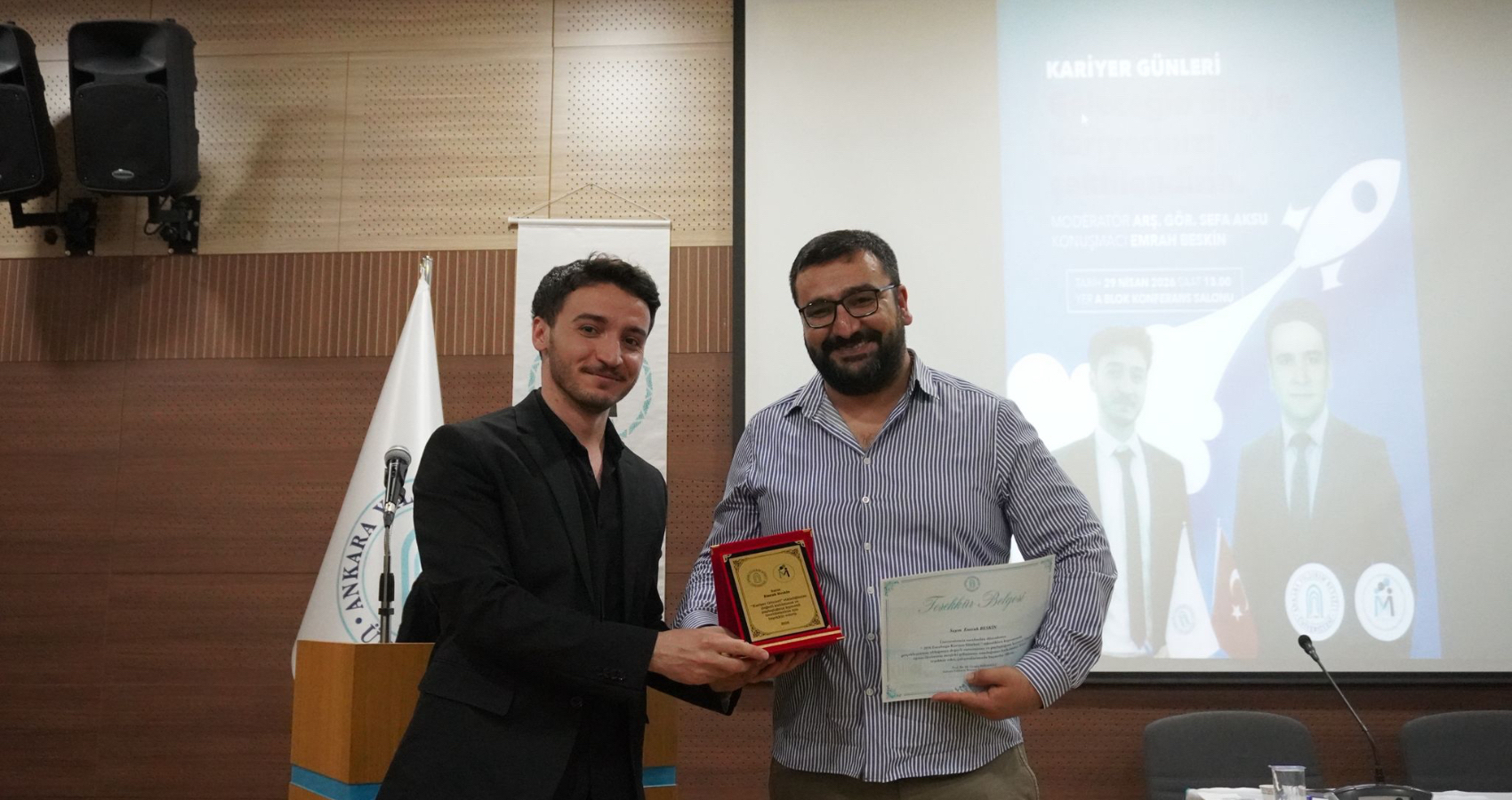

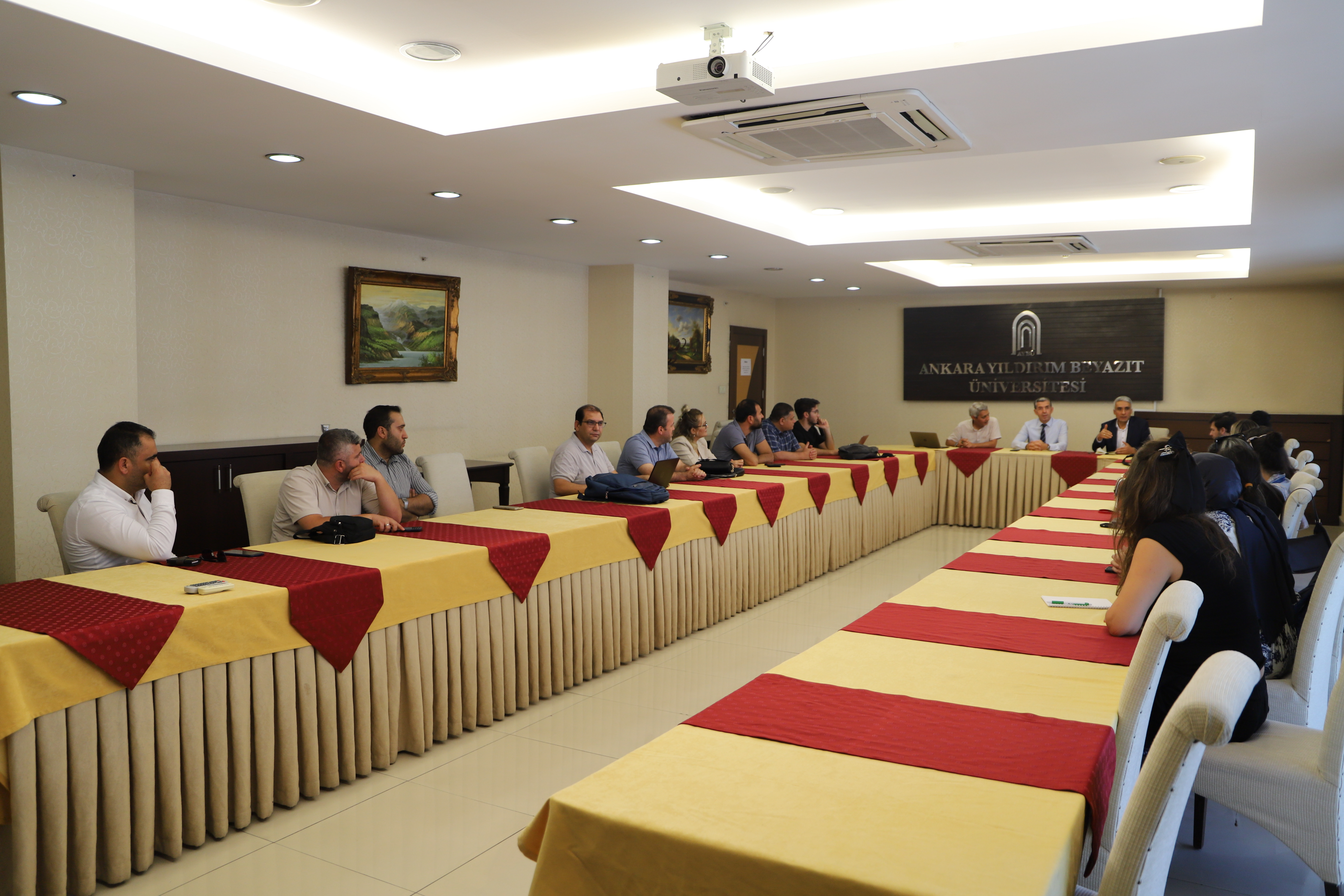
The workshop titled “Artificial Intelligence and the Future of Higher Education: Redesigning Curricula” was held on September 10, 2026, at AYBU Etlik National Will Campus. Bringing together the Department’s academic staff, academics from different fields, and external stakeholders, the workshop focused on the impact of developments in artificial intelligence technologies on higher education, the restructuring of curricula in line with current technological developments, and strengthening interdisciplinary interaction.
The event began at 1:00 p.m. with an opening speech by Faculty Dean Prof. Dr. Hüseyin Tutar. As part of the program, Prof. Dr. Mehmet Kemal Özdemir delivered a presentation on the integration of artificial intelligence into higher education and interdisciplinary curriculum design. Dr. Fatma Aladağ addressed current approaches in the field of digital history in her presentation titled “Digital History: Not Artificial Intelligence, but a Matter of Scale.” Prof. Dr. Güven Delice, meanwhile, shared his assessments of new educational models and approaches to qualifications in higher education in his presentation on micro-credentials.
The second part of the program featured a meeting of the Translation and Interpreting Working Group. The meeting focused on the implications of developments in artificial intelligence technologies for translator and interpreter education and the restructuring of curricula in response to these developments. Particular attention was given to whether artificial intelligence should be introduced into Translation and Interpreting programs as a standalone courseor integrated into the content and practices of existing courses.
The meeting also addressed approaches to the use of AI-assisted translation tools in students’ educational processes, ways of incorporating these tools into different stages of translation education, and approaches to developing students’ AI literacy. Bringing together academic staff and external stakeholders, the meeting emphasized the importance of considering the technological transformation taking place in higher education in conjunction with the needs of translation education and the translation industry.
At the end of the meeting, the working group’s evaluations and recommendations were organized under two main headings: “Integration of Artificial Intelligence into the Curriculum” and “Recommendations from External Stakeholders.” Within this framework, various recommendations were discussed regarding curriculum updates, promoting the effective and responsible use of artificial intelligence in educational processes, preparing students for evolving technological competencies, and improving education and training processes in line with the current needs of the translation industry.
The workshop and working group meeting contributed to strengthening interaction between the Department’s academic staff and external stakeholders, incorporating current technological developments into educational processes, and developing shared perspectives on the future of translator and interpreter education.