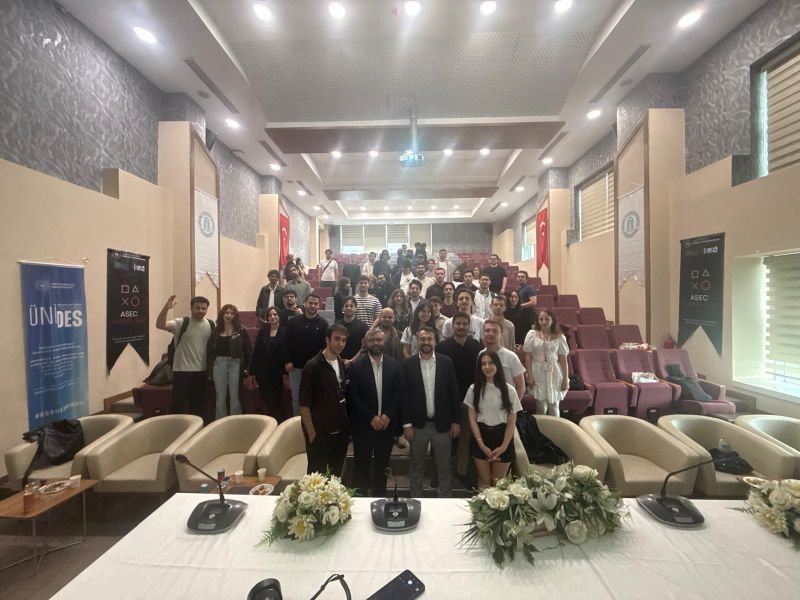

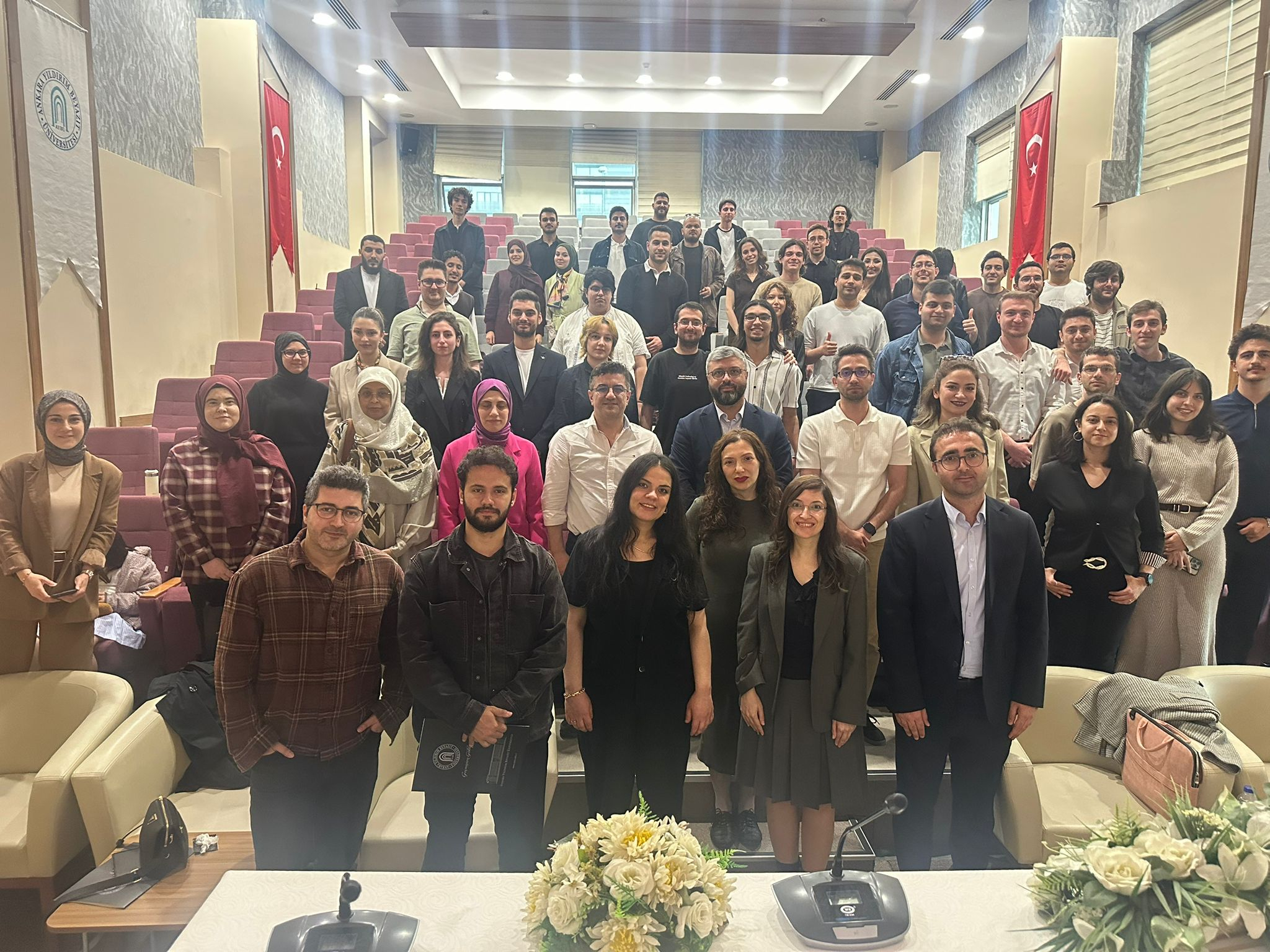
Best Graduation Project Award – First Place
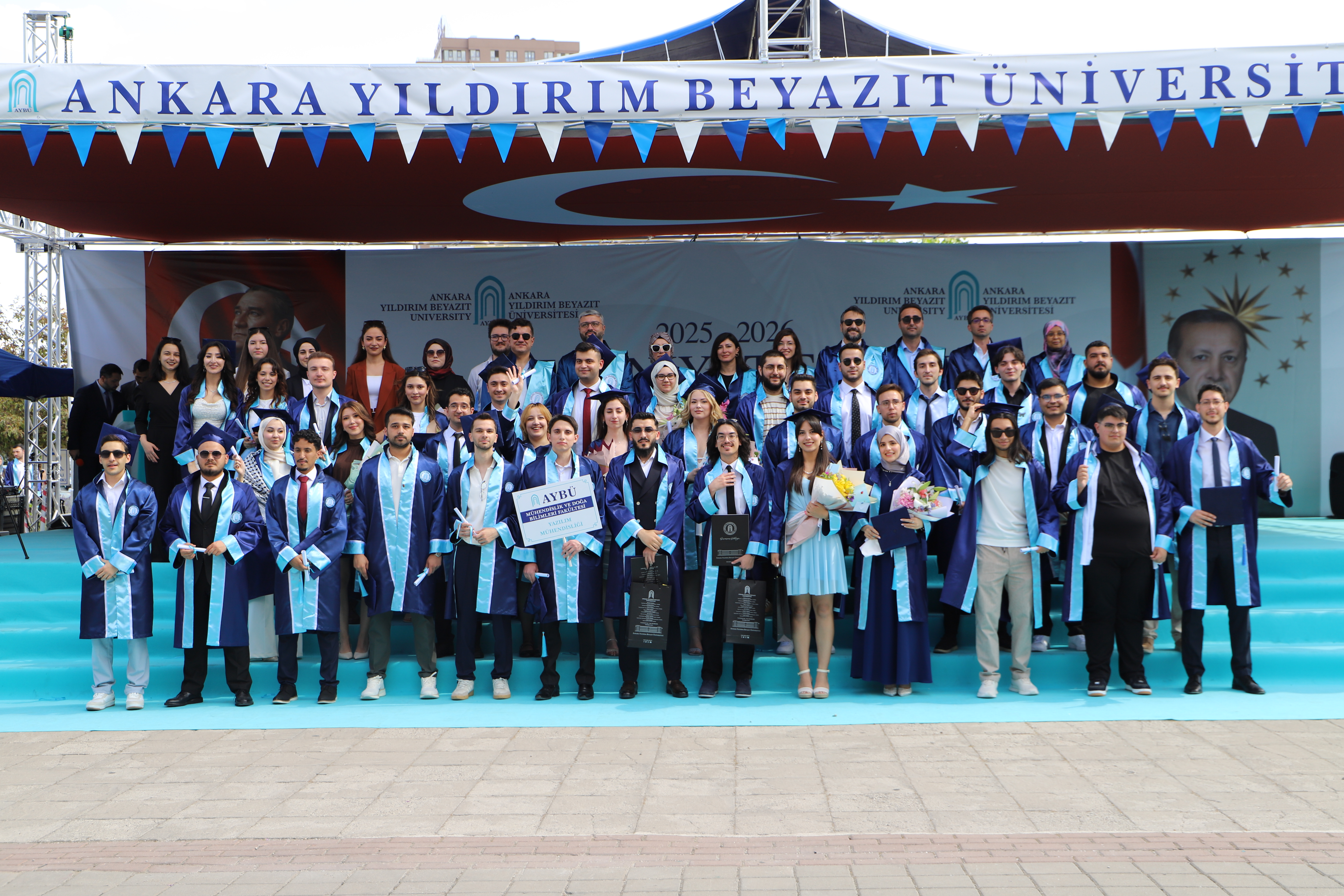
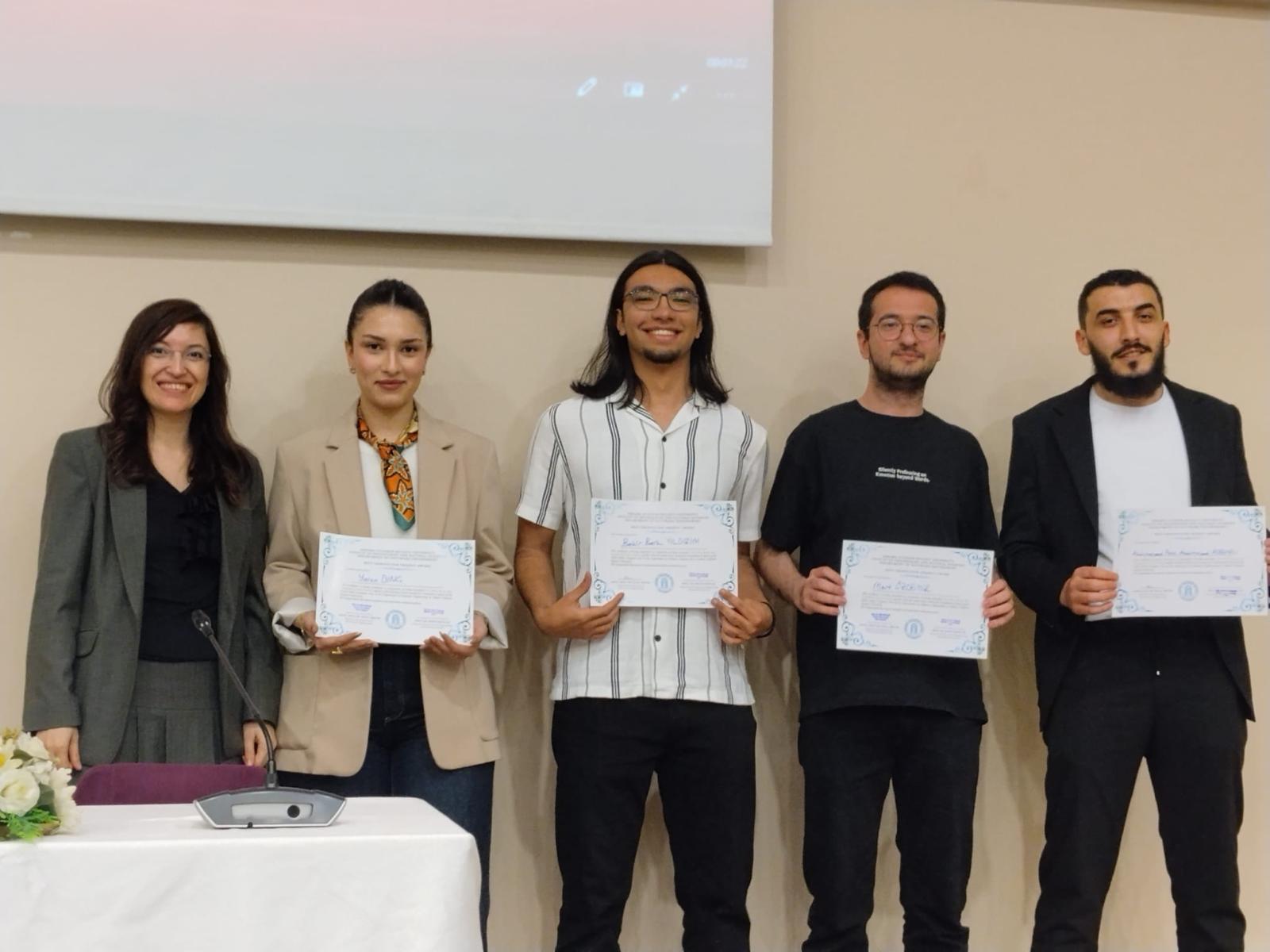
The team consisting of Abdulmajeed ALREMALI, Bekir Berk YILDIRIM, Yaren DİNÇ, and Mert ÖZDEMİR, under the supervision of Assoc. Prof. Dr. Hilal ARSLAN, was awarded first place in the Best Graduation Project category with two different projects.
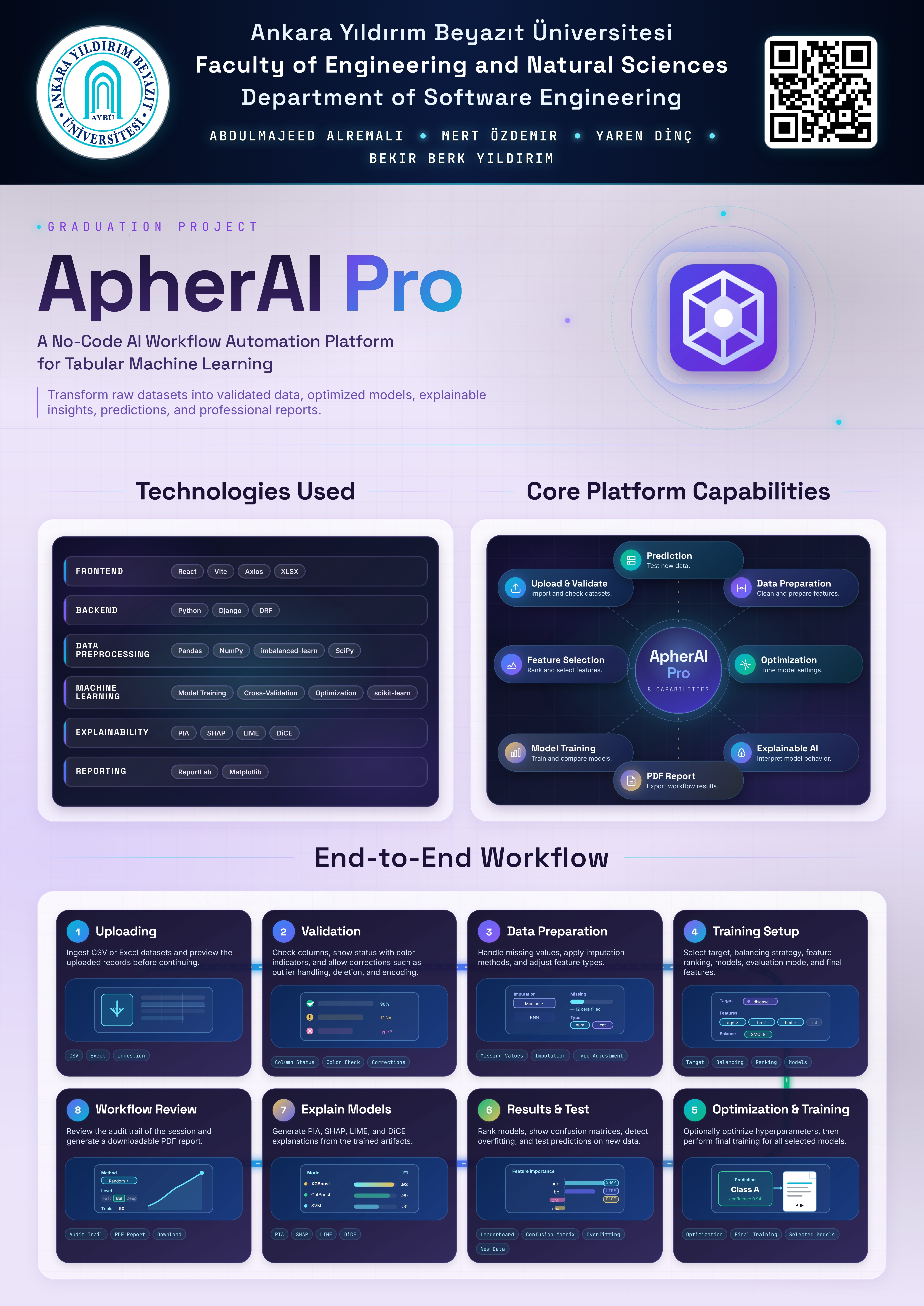
“ApherAI Pro”
ApherAI Pro is a no-code artificial intelligence platform developed to reduce the challenges encountered in data preprocessing, model training, optimization, evaluation, Explainable Artificial Intelligence (XAI), and reporting processes in classification-based AI projects. The platform provides an integrated environment for data upload, validation, preparation, model training, hyperparameter optimization, prediction, explainability analysis, and automated report generation.
The software architecture and system design process of the project were coordinated by Research Assistant Pelin Nur ÇÖL, while both the web and desktop versions of the application were developed by Abdulmajeed ALREMALI. The project aims to make AI-based classification systems accessible even to users with limited technical expertise and to provide explainable AI-supported decision-making mechanisms.
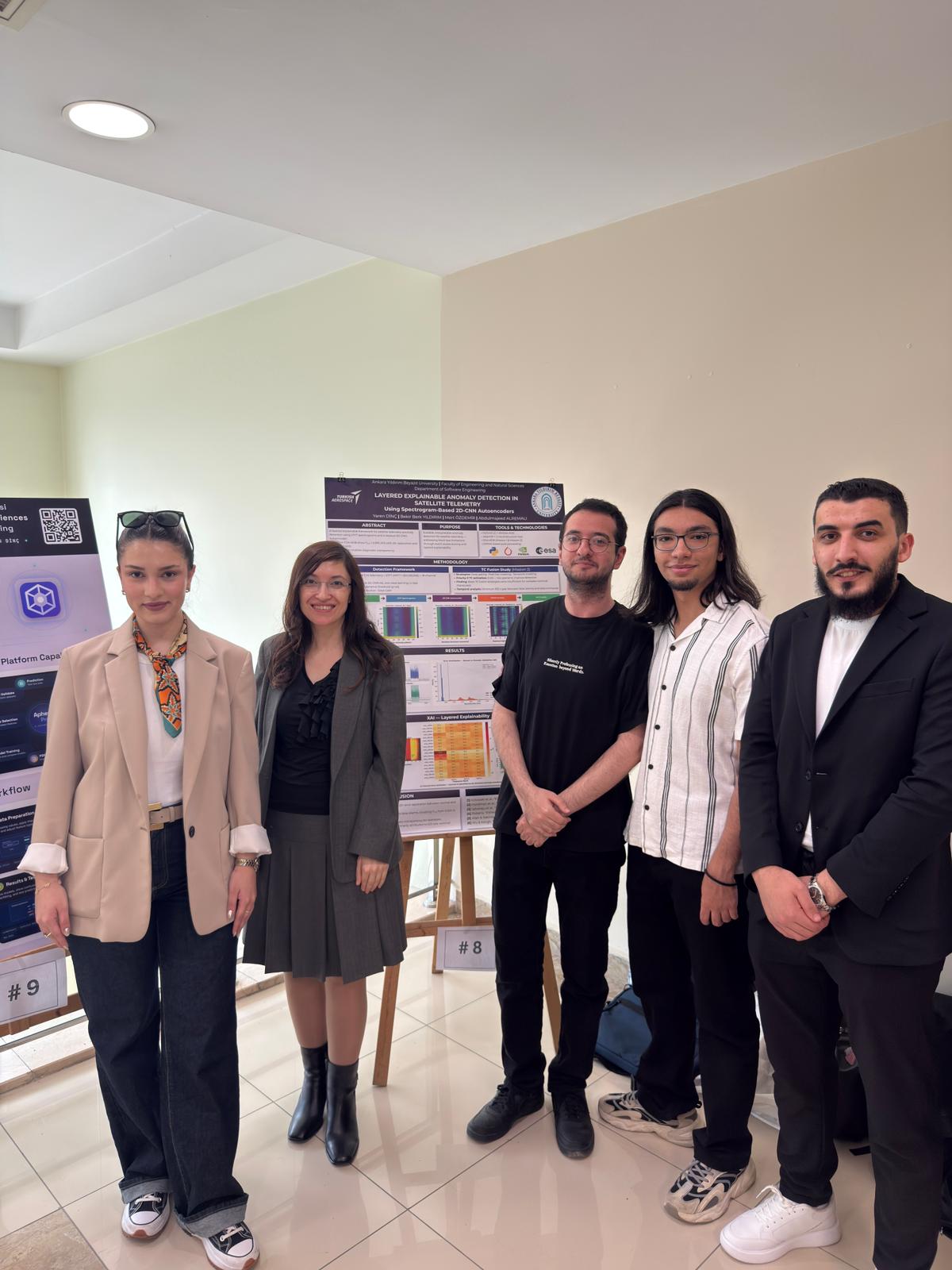
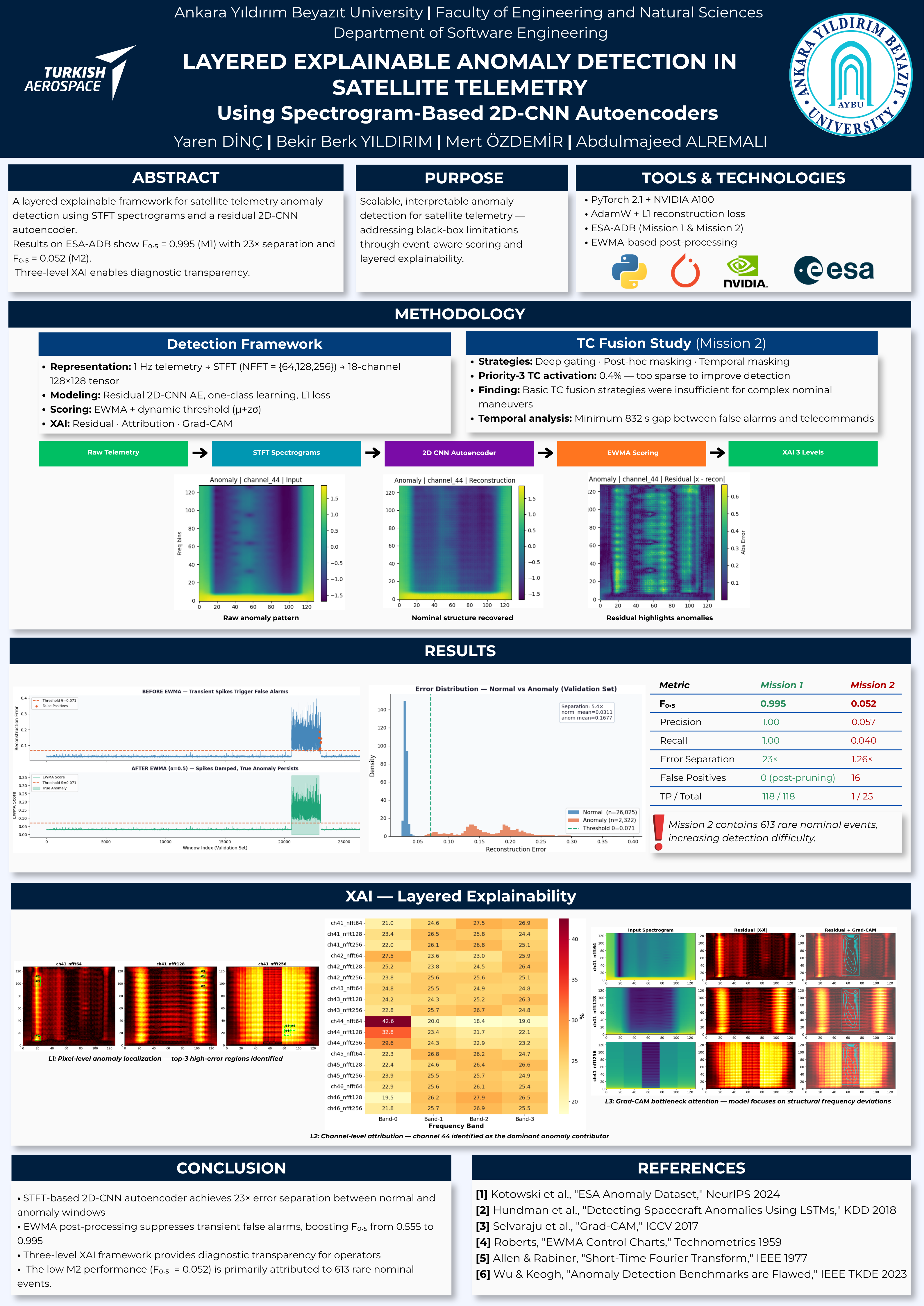
“Anomaly Detection in Satellite Telemetry Data Using an Explainable Artificial Intelligence Approach”
The team's second award-winning project presents an explainable anomaly detection approach designed to address the black-box problem commonly encountered in deep learning systems. In the study, one-dimensional telemetry signals were transformed into two-dimensional spectrograms using the STFT method and analyzed using a 2D Convolutional Autoencoder model. An EWMA-based alarm mechanism was employed to reduce false-positive alarms, and successful results were obtained on the ESA dataset.
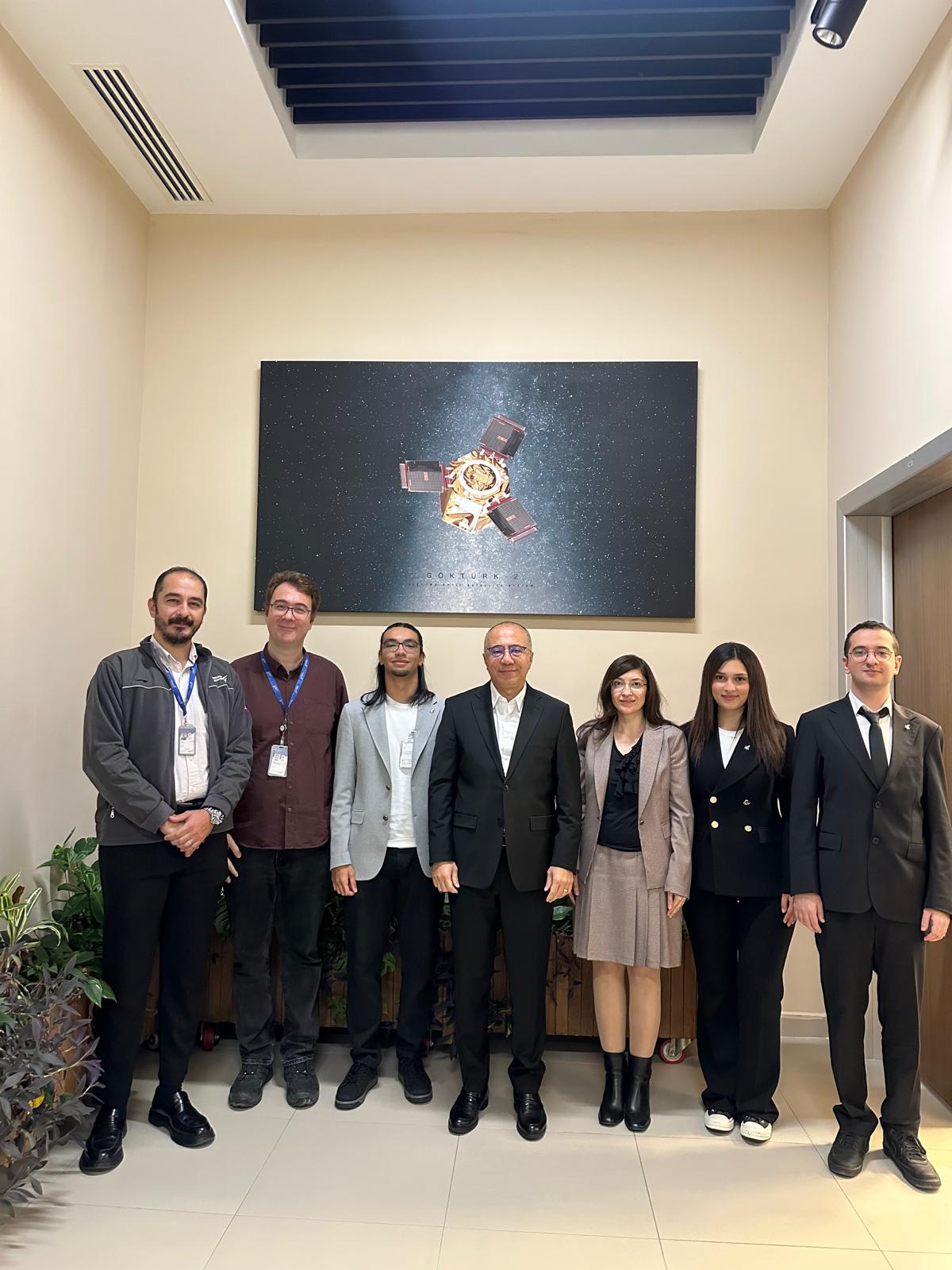
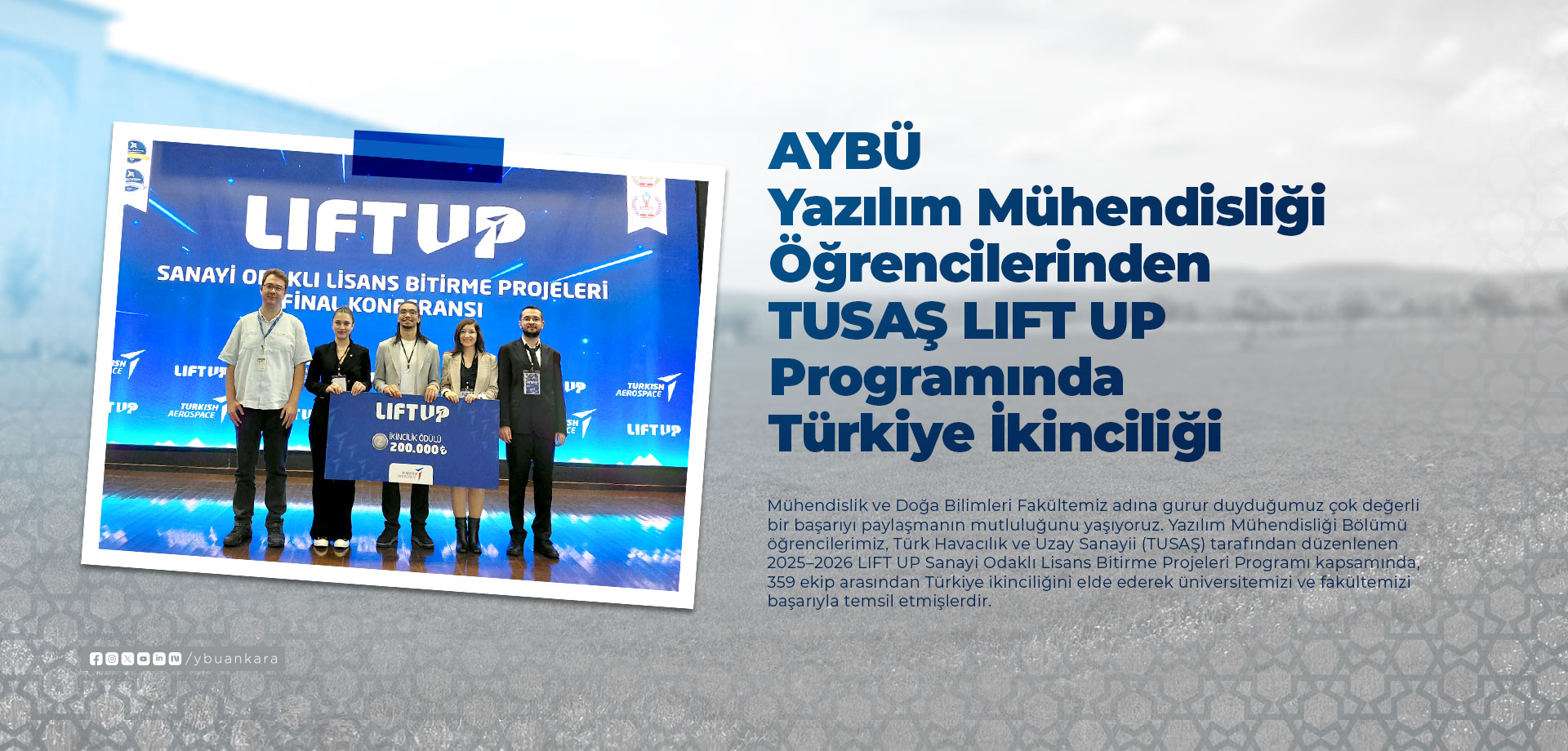
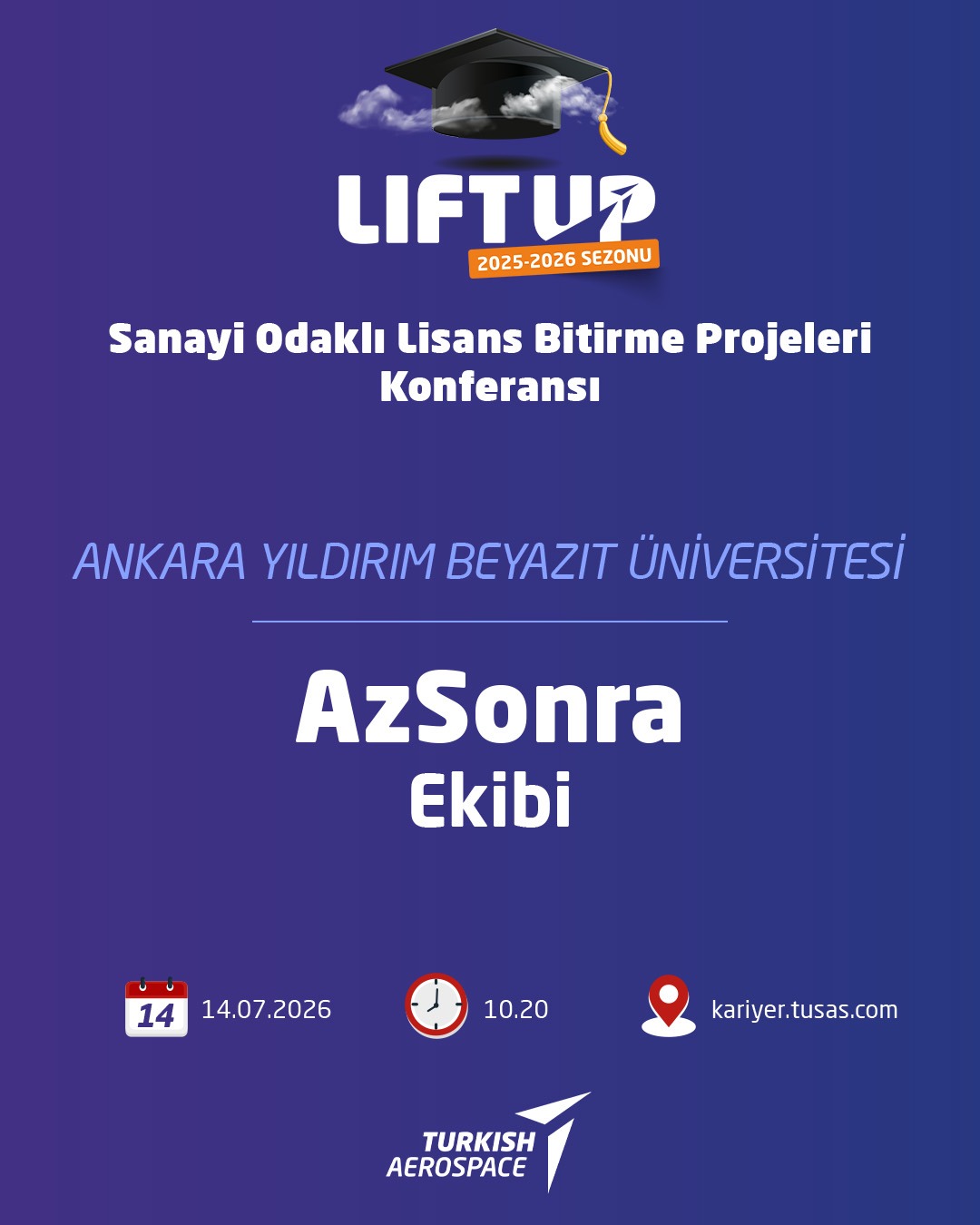
Developed within the scope of the Turkish Aerospace Industries (TAI) LIFT UP Program, the project was carried out under the guidance of TAI engineer Abdullah Nuri SOMUNCUOĞLU by Bekir Berk YILDIRIM, Yaren DİNÇ, and Mert ÖZDEMİR. The study was also presented as a paper at the 11th International Conference on Recent Advances in Air and Space Technologies (RAST 2026).
Best Graduation Project Award – Second Place
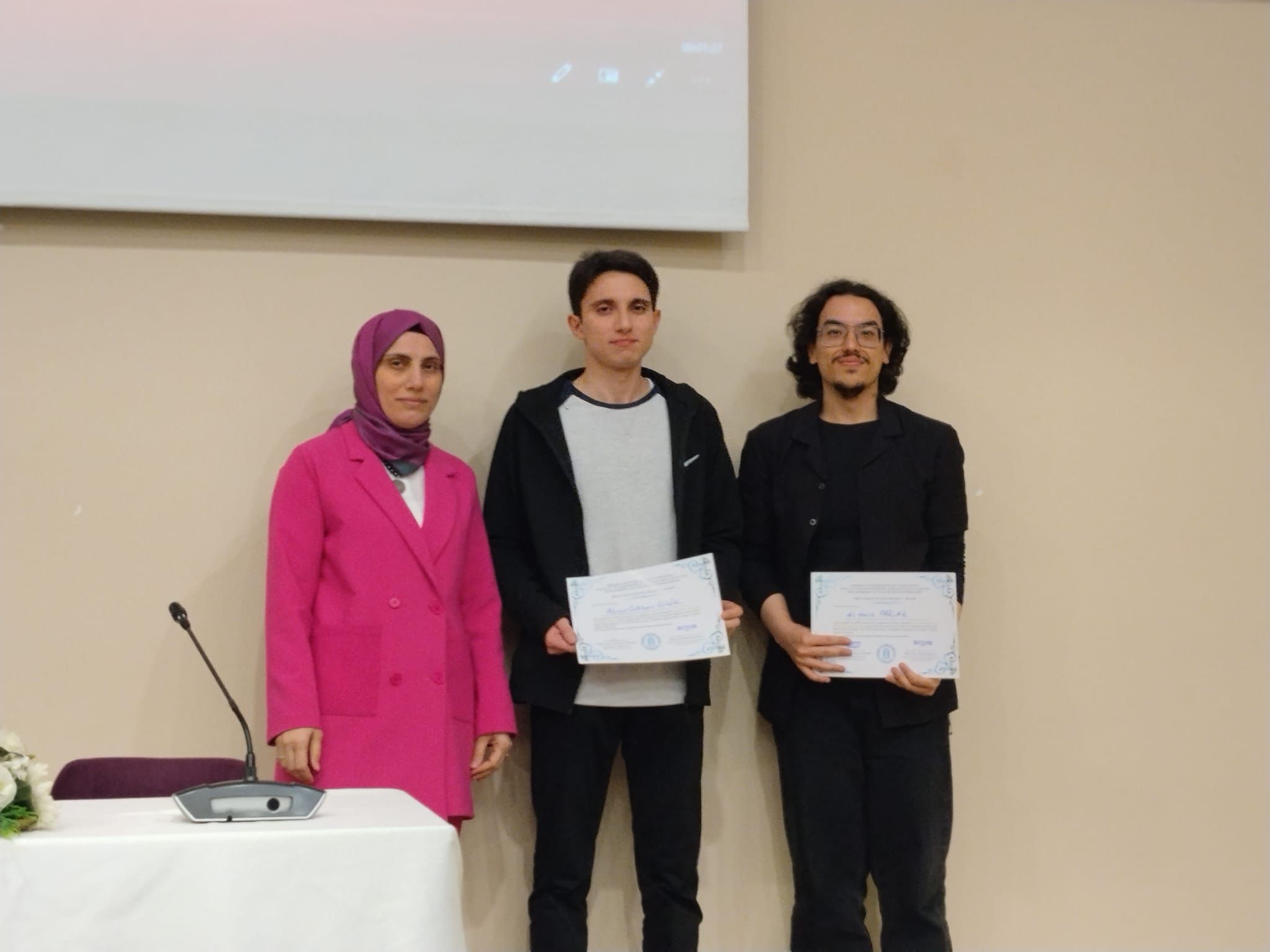
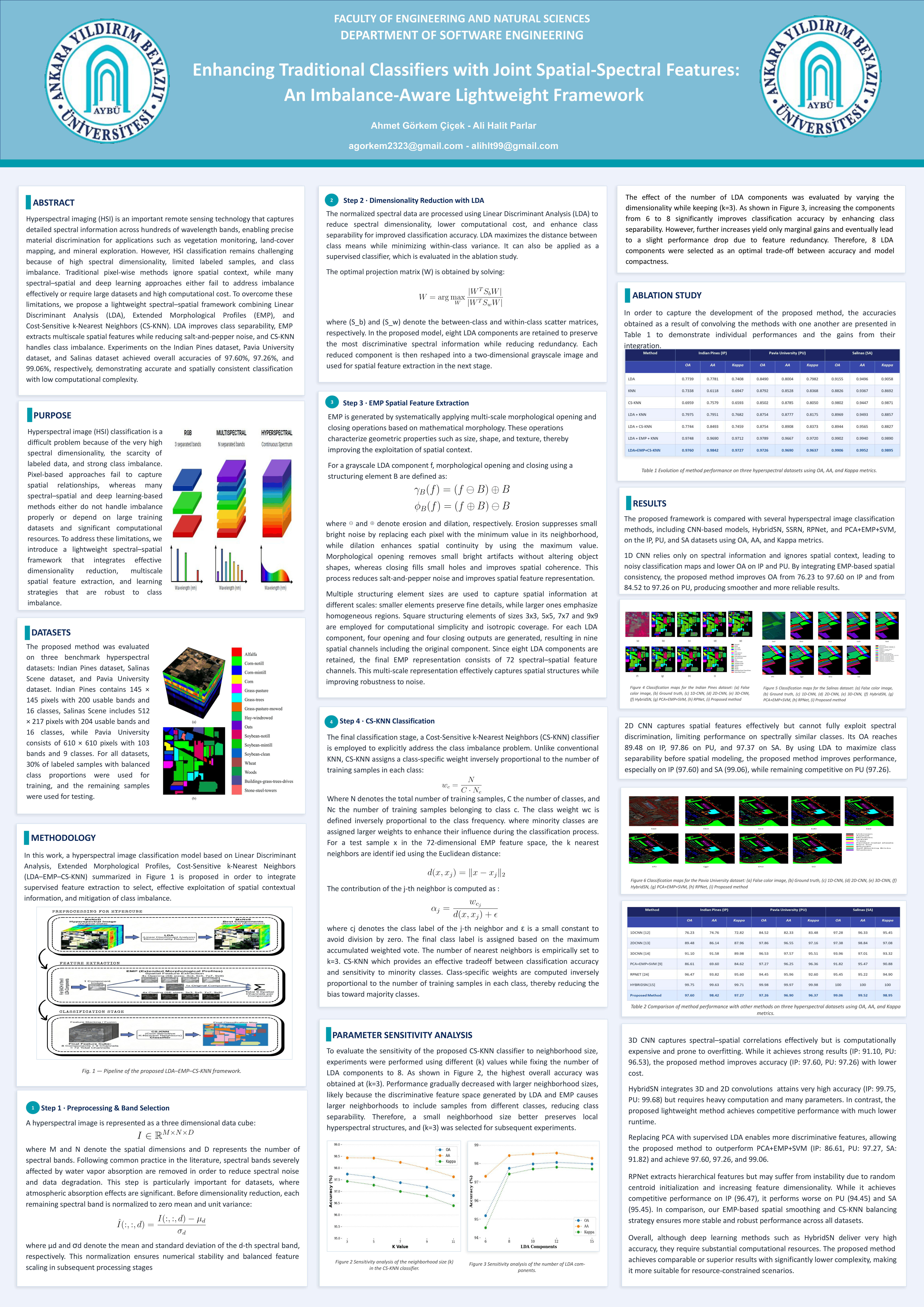
The project titled “Enhancing Traditional Classifiers with Joint Spatial-Spectral Features: An Imbalance-Aware Lightweight Framework”, developed by Ahmet Görkem ÇİÇEK and Ali Halit PARLAR under the supervision of Assist. Prof. Dr. Fatma KÜÇÜK, received second place in the Best Graduation Project category.
The project introduces a lightweight and effective spatial-spectral learning framework to address challenges such as high dimensionality, limited labeled data, and class imbalance in hyperspectral image classification. The proposed approach combines Linear Discriminant Analysis (LDA), Extended Morphological Profiles (EMP), and Cost-Sensitive k-Nearest Neighbors (CS-KNN) to improve class separability, extract multi-scale spatial features, and achieve better performance on imbalanced datasets.
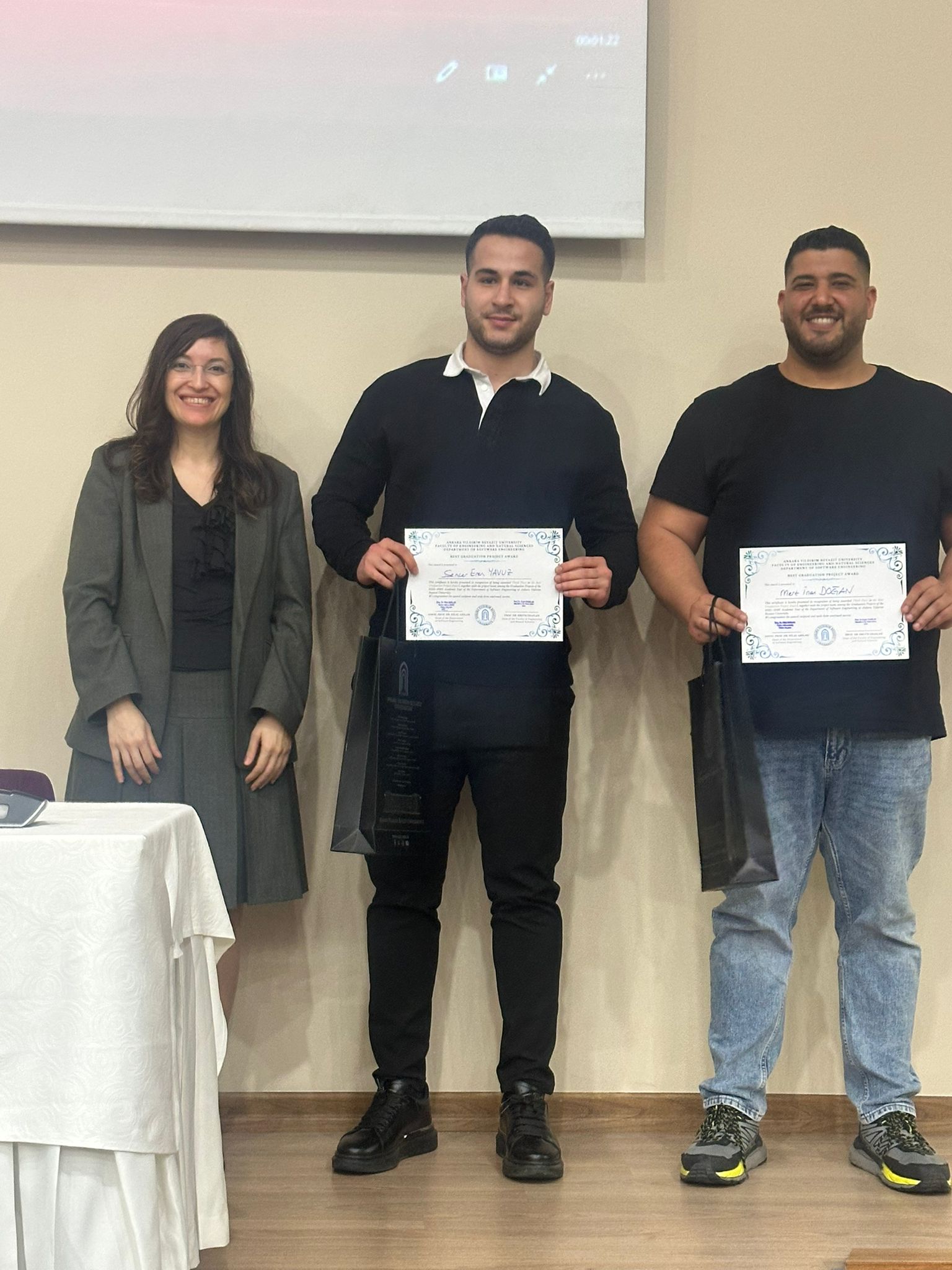
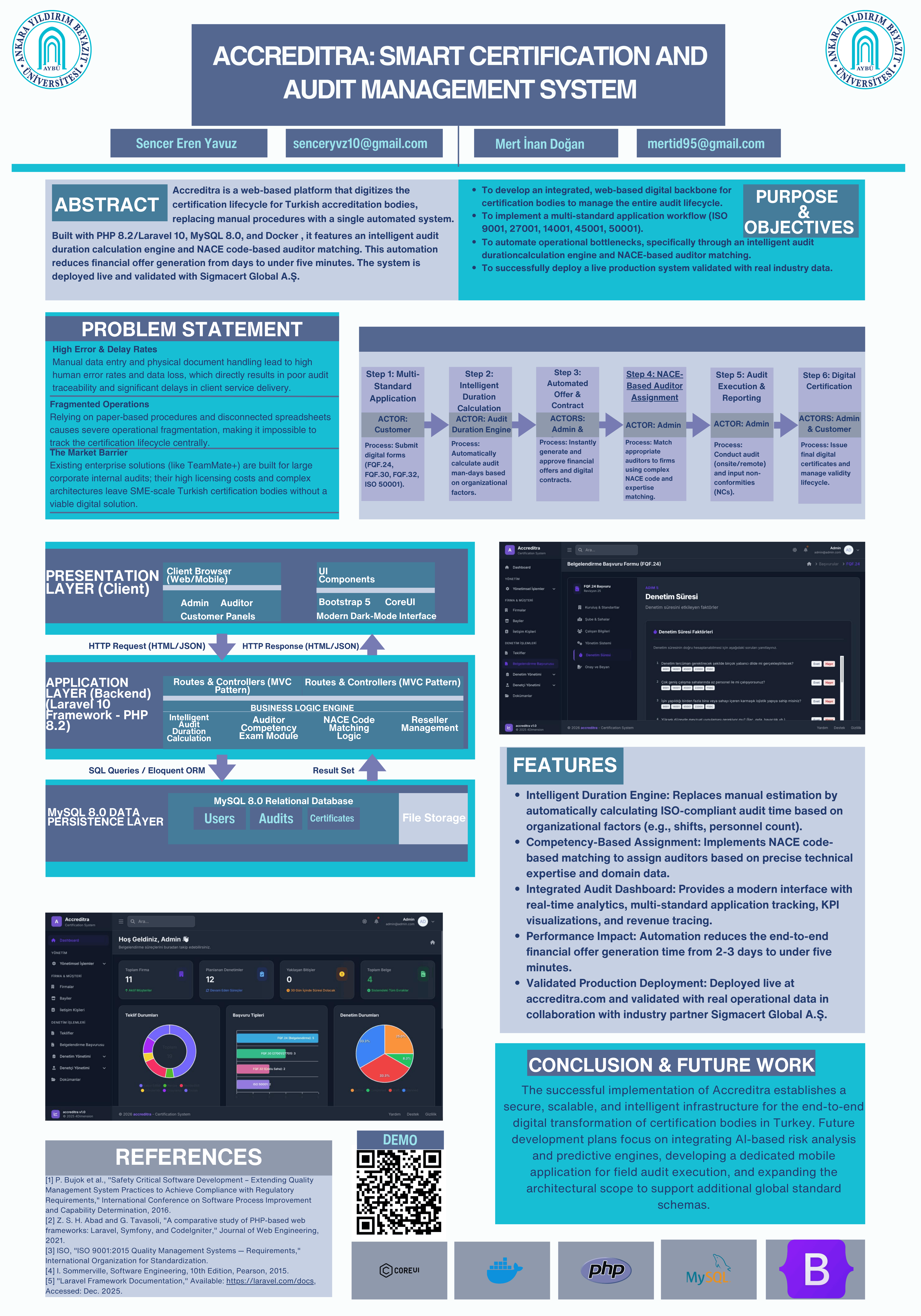
The project titled “ACCREDITRA: Smart Certification and Audit Management System”, developed by Sencer Eren YAVUZ and Mert İnan DOĞAN under the supervision of Assoc. Prof. Dr. Yenal ARSLAN, was awarded third place in the Best Graduation Project category.
The project focuses on digitalizing and automating end-to-end certification and auditing processes related to ISO standards through a web-based intelligent management system. The ACCREDITRA platform transforms traditionally fragmented processes into a centralized and integrated structure through multi-standard application forms, automatic audit duration calculation based on organizational characteristics, and NACE code-based auditor matching mechanisms.
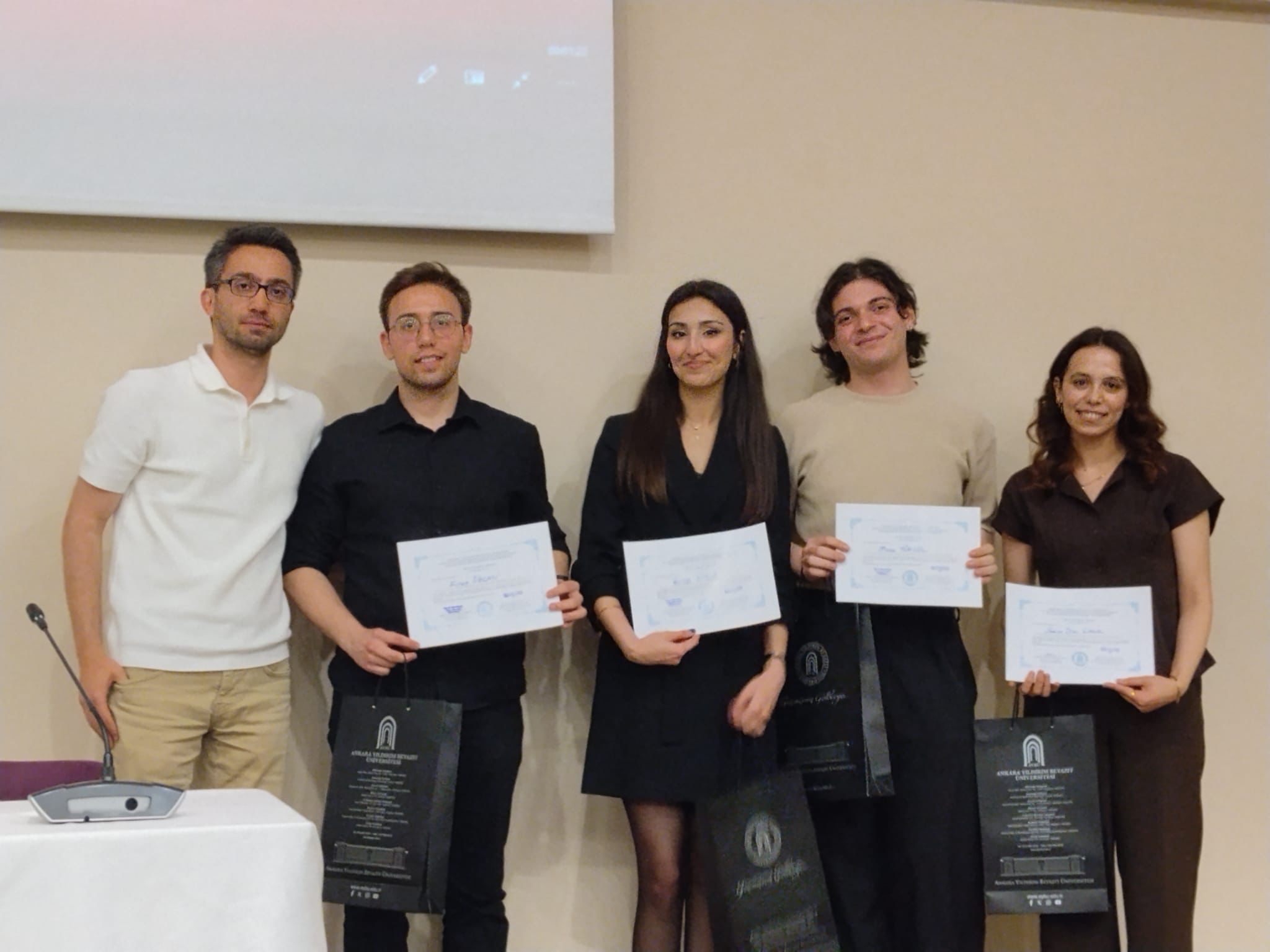
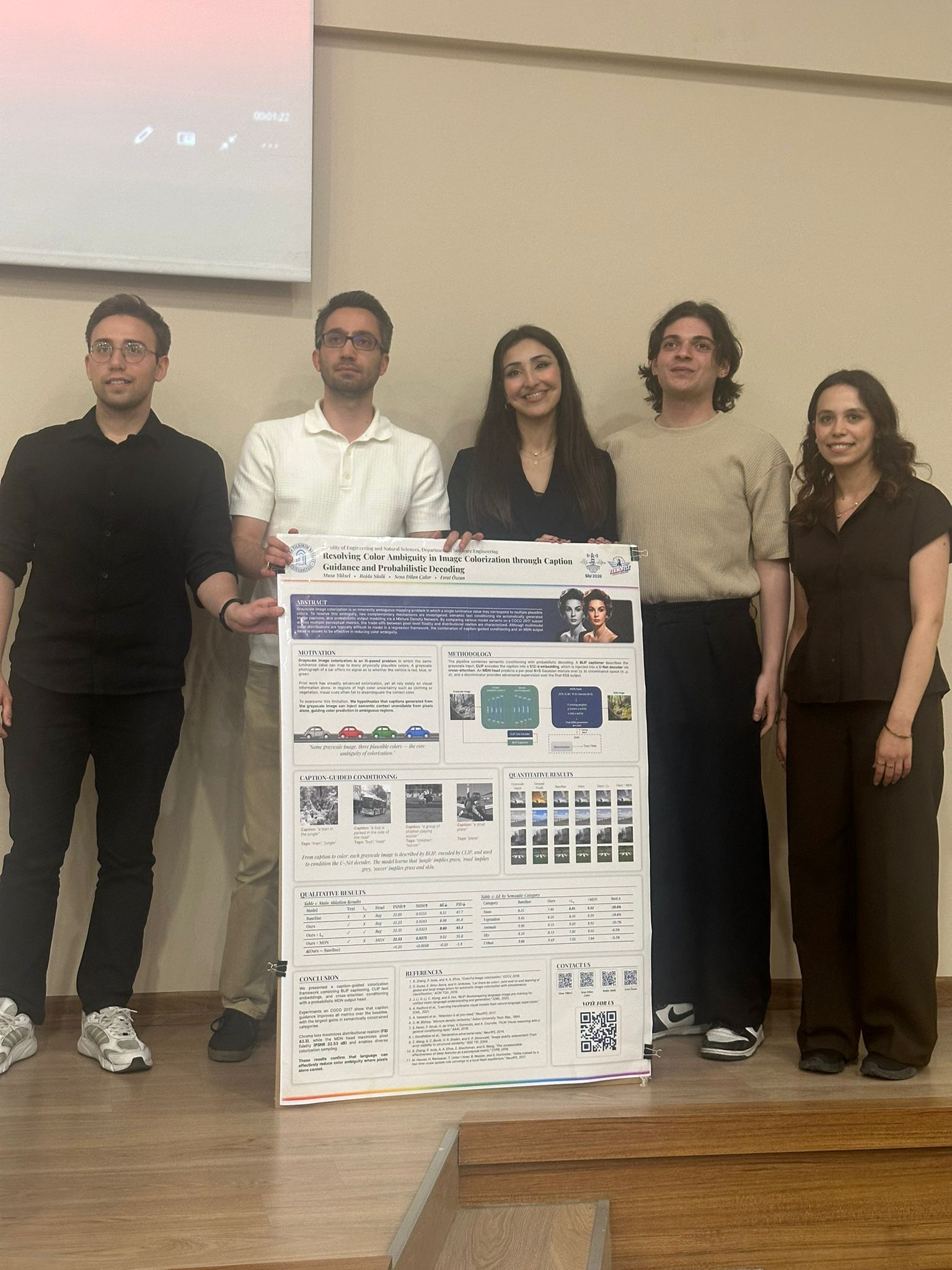
Best Poster Award – First Place
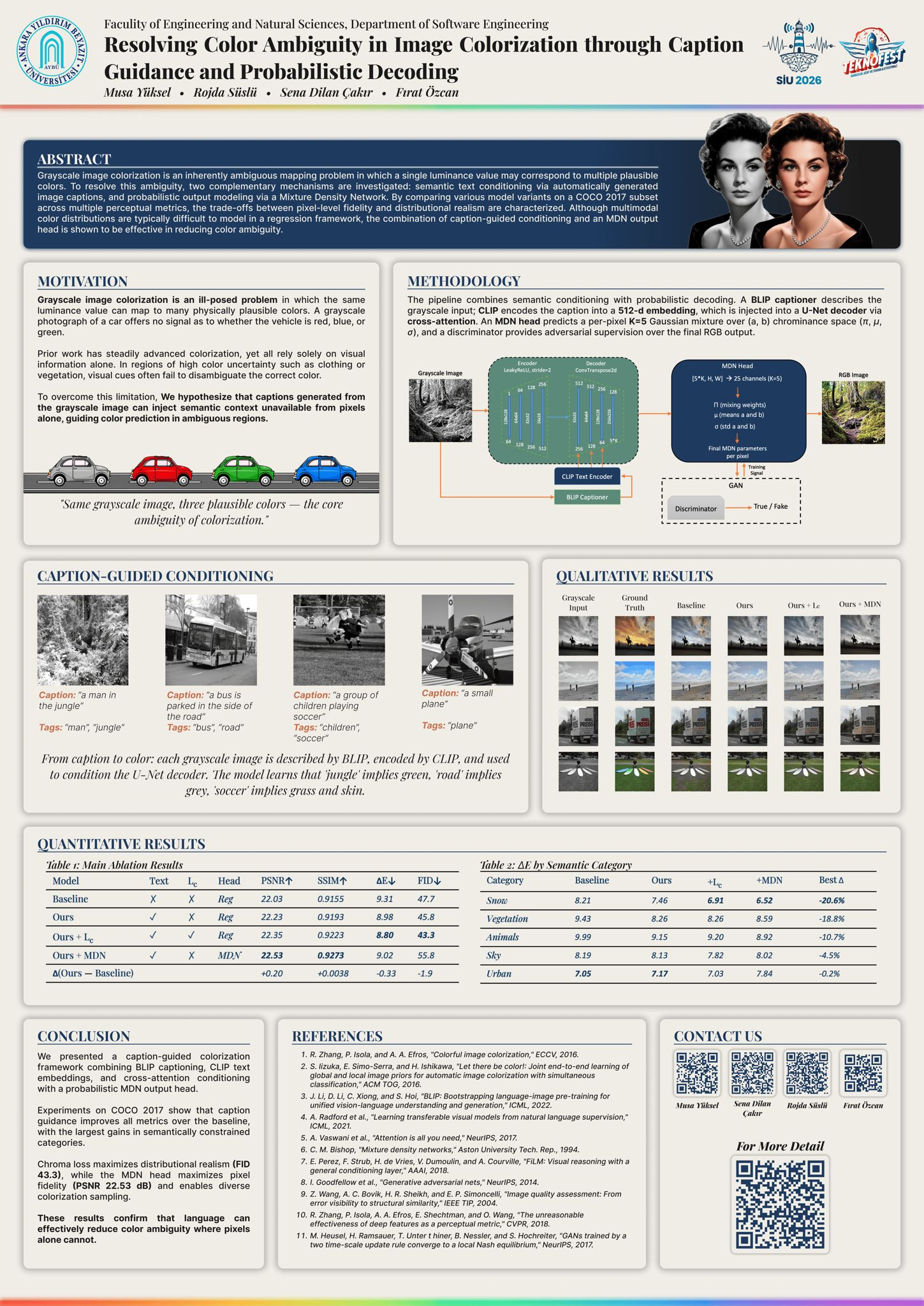
The study titled “Resolving Color Ambiguity in Image Colorization through Caption Guidance and Probabilistic Decoding”, prepared by Fırat ÖZCAN, Rojda SÜSLÜ, Musa YÜKSEL, and Sena Dilan ÇAKIR under the supervision of Assist. Prof. Dr. Ömer MİNTEMUR, was awarded first place in the Best Poster category.
The project addresses the color ambiguity problem in grayscale image colorization. The study combines two complementary approaches: semantic guidance through automatically generated image captions and probabilistic output modeling using a Mixture Density Network (MDN).
By enriching image content with language model-generated captions, the proposed method introduces semantic context into the colorization process, while probabilistic modeling enables the evaluation of multiple plausible color distributions. Experiments conducted on the COCO 2017 dataset demonstrated that the proposed approach successfully reduces color ambiguity while maintaining visual realism and quality.