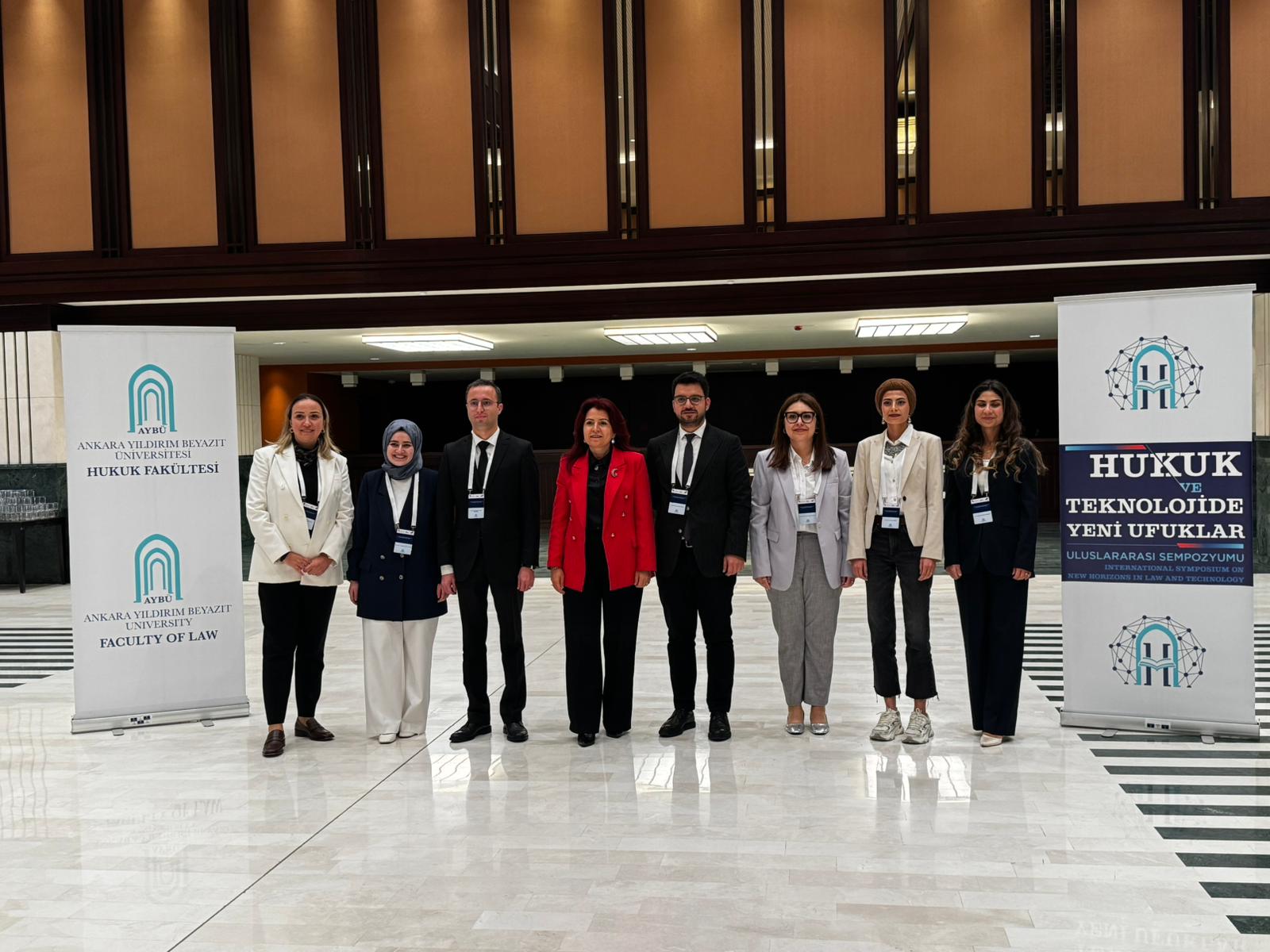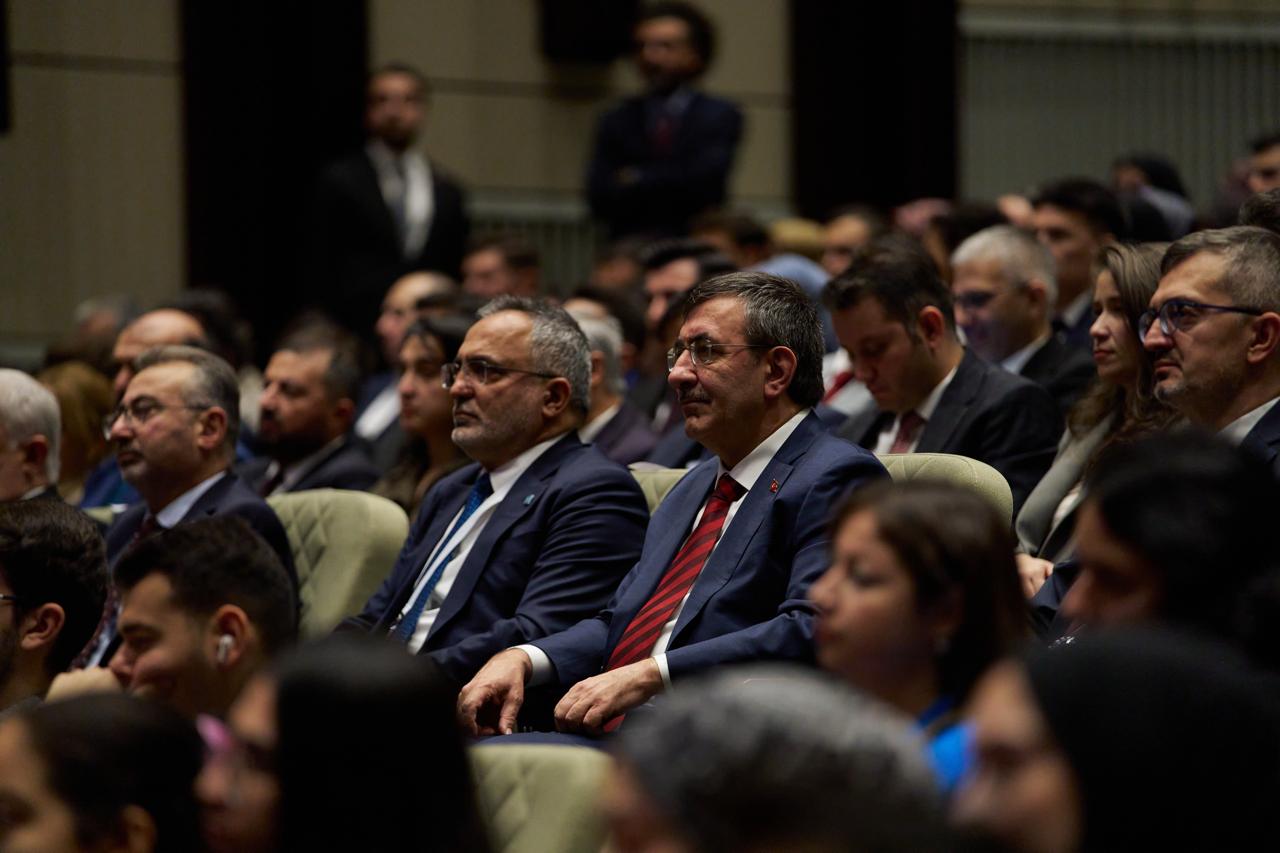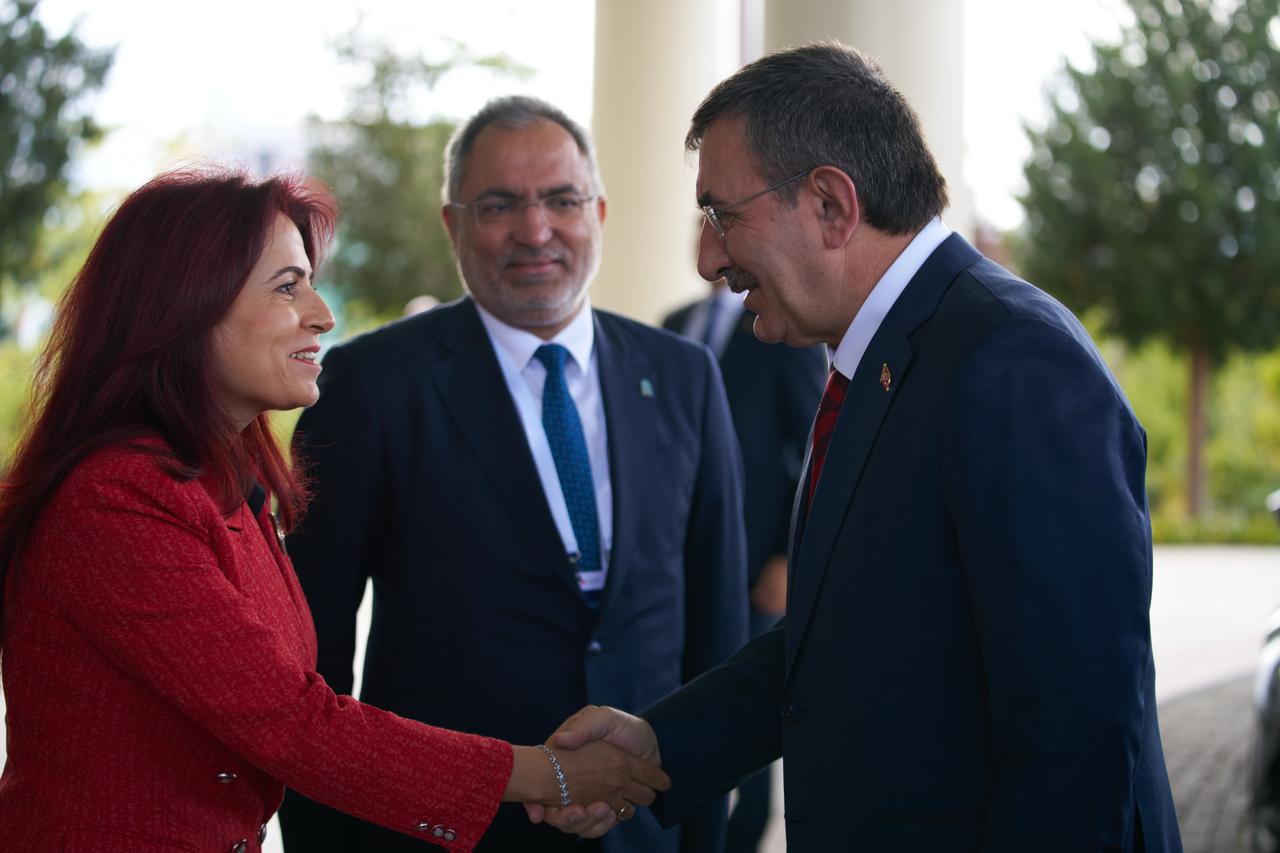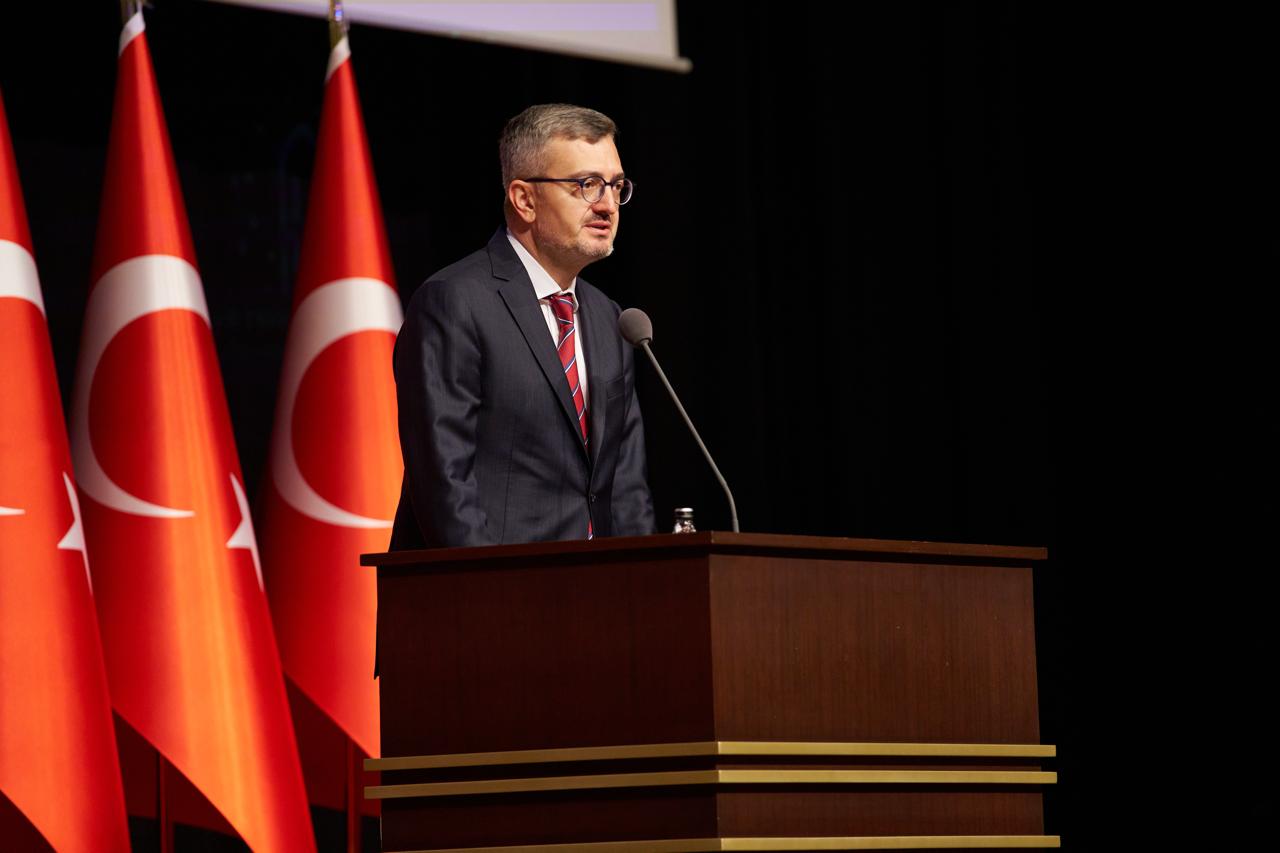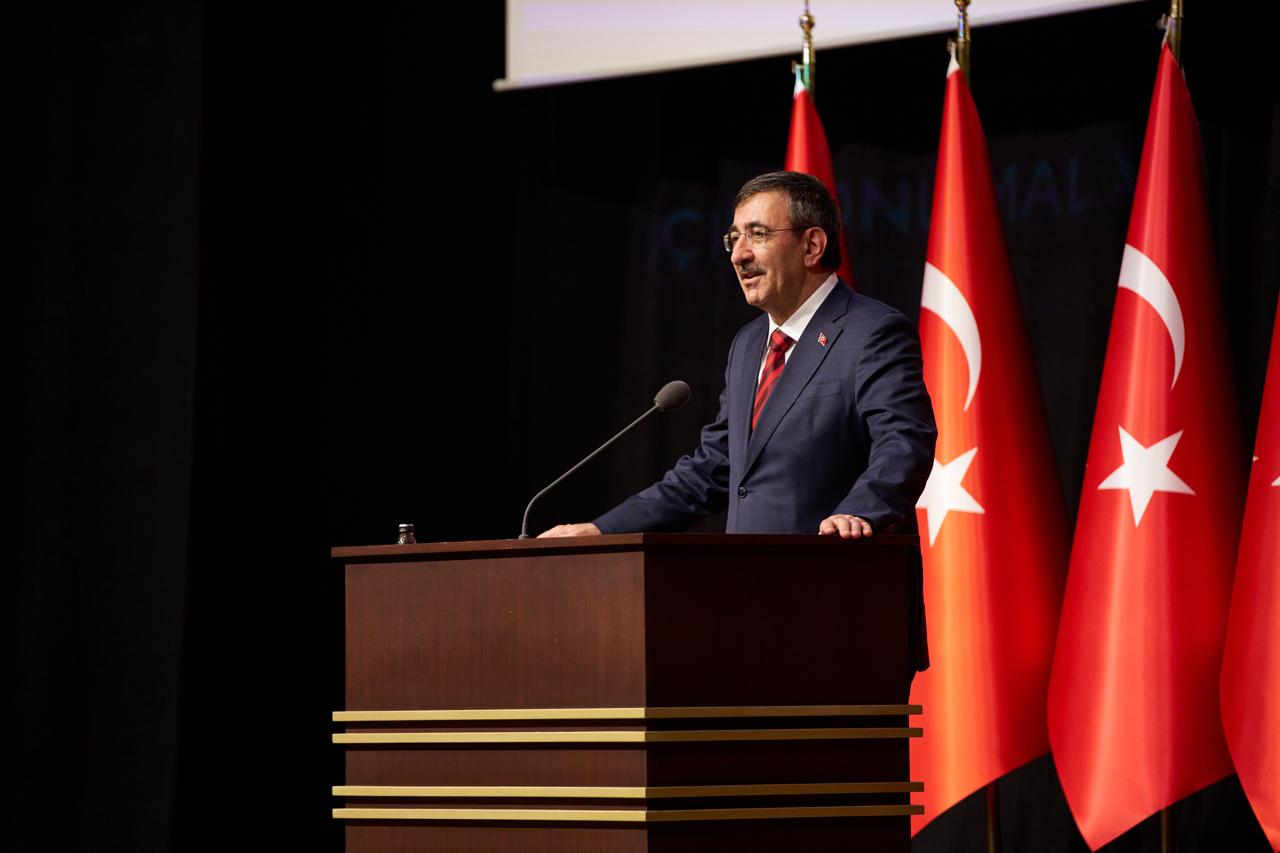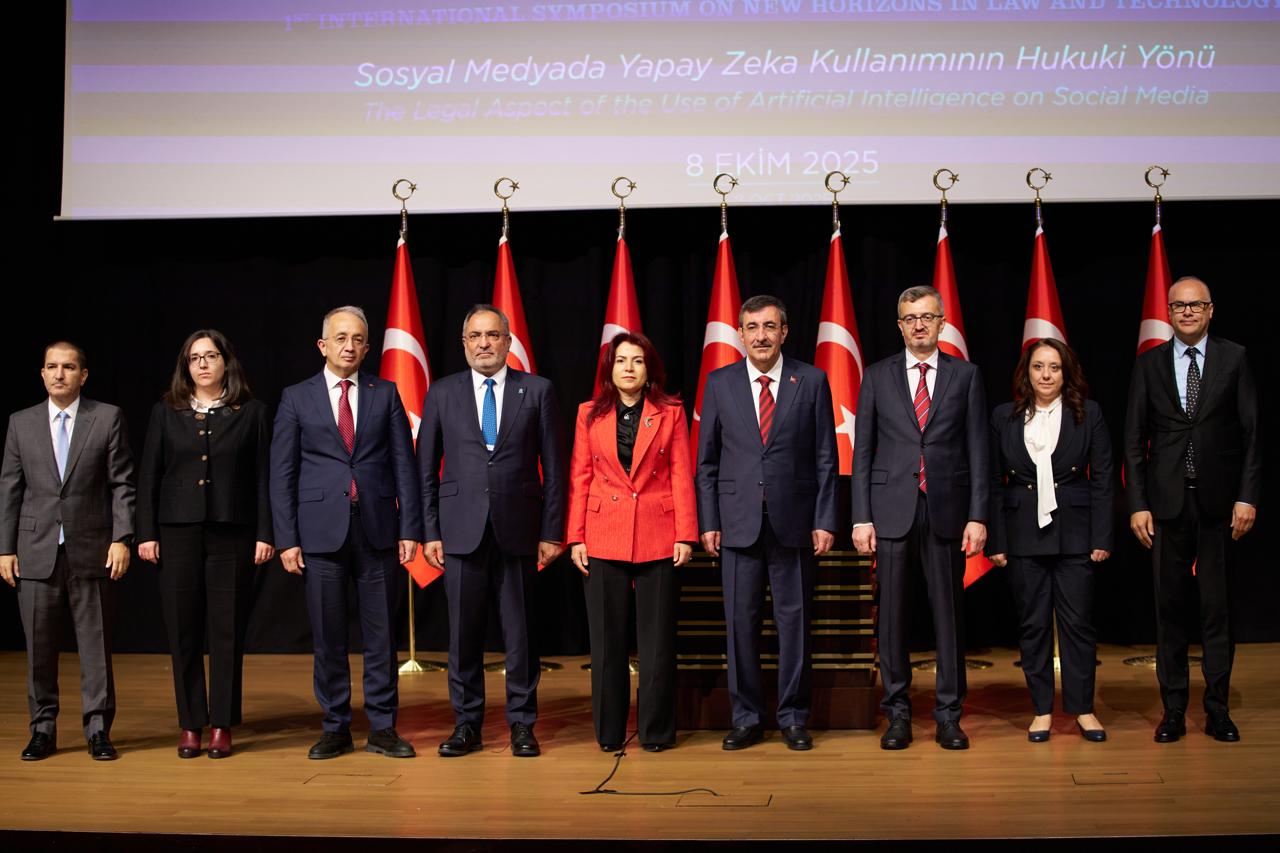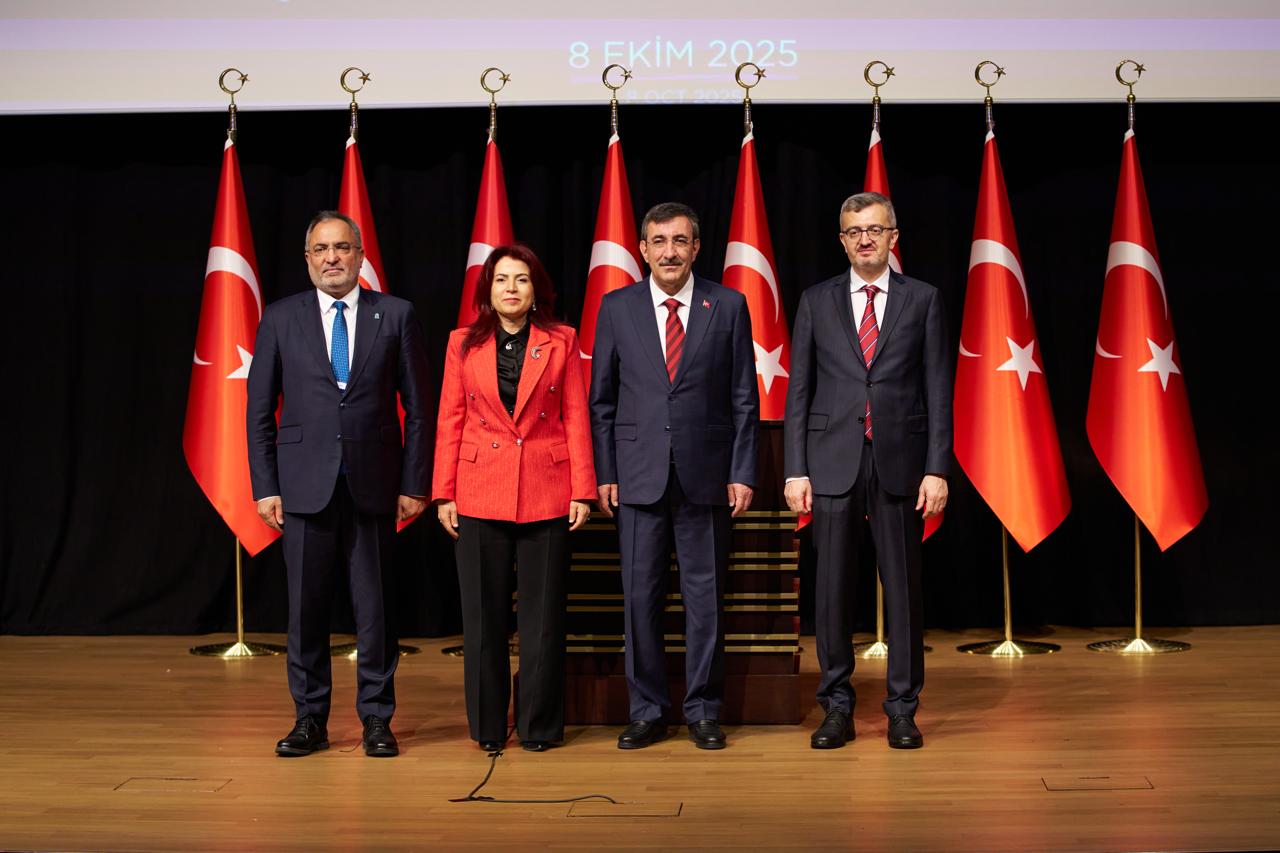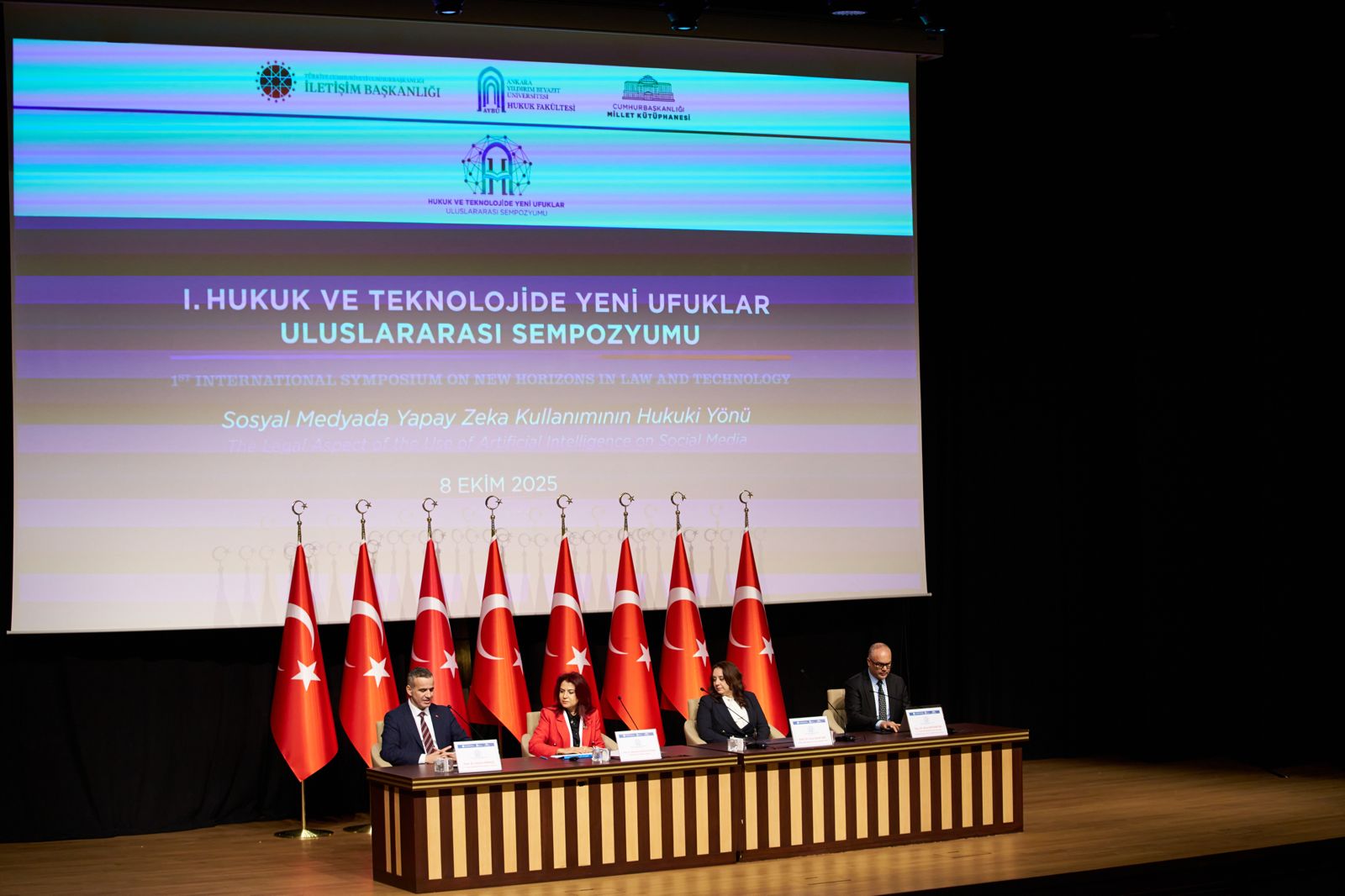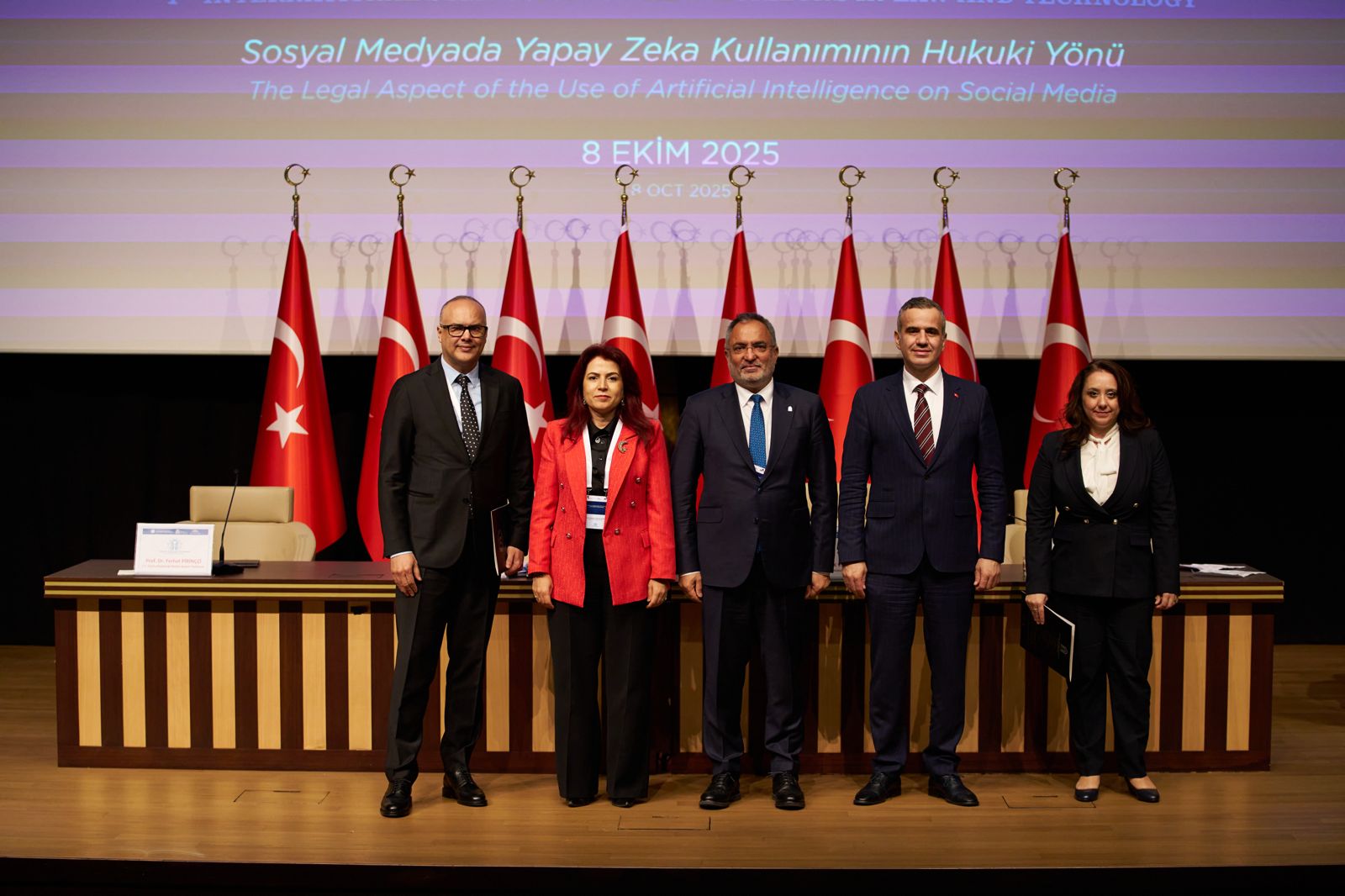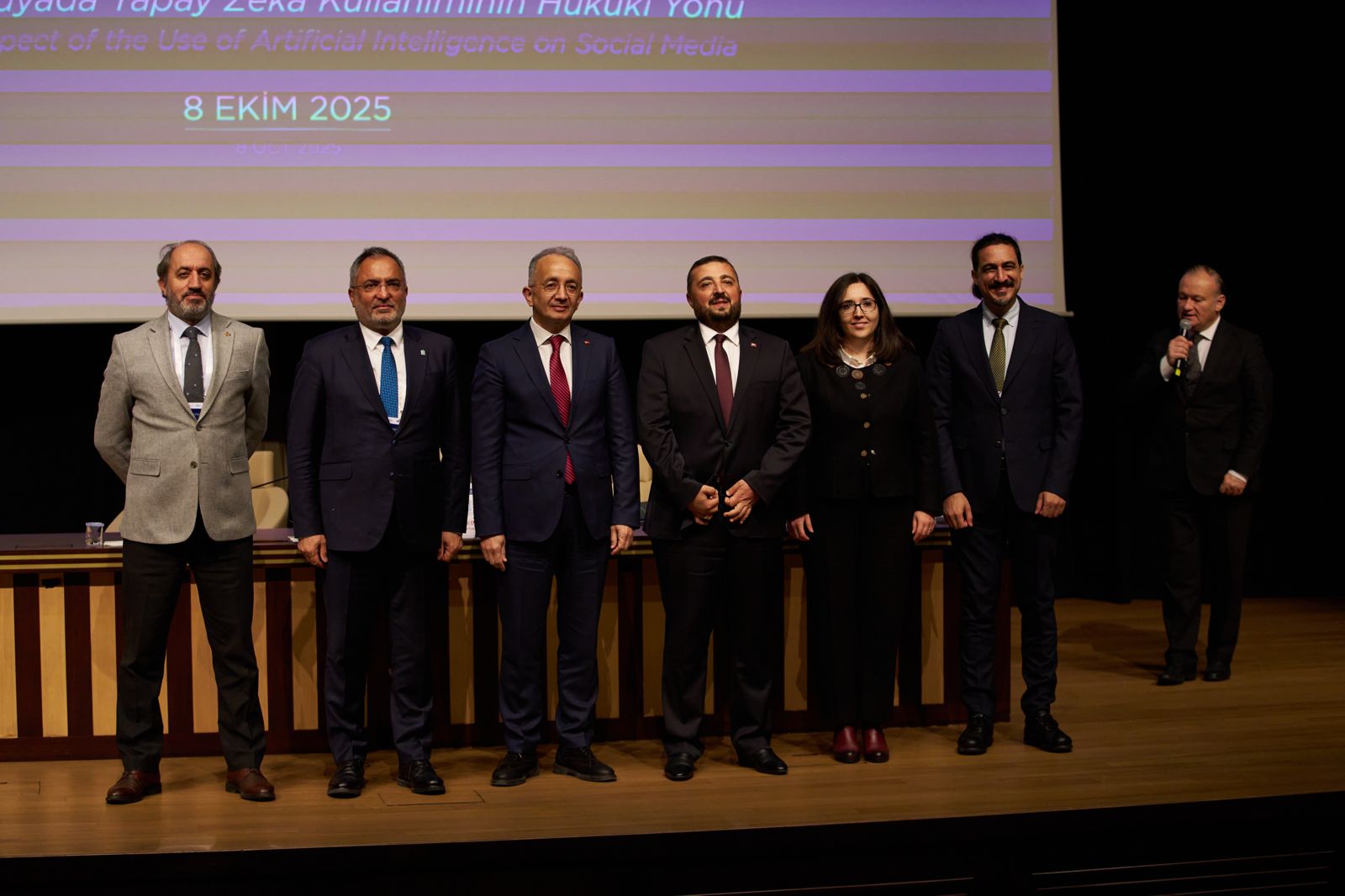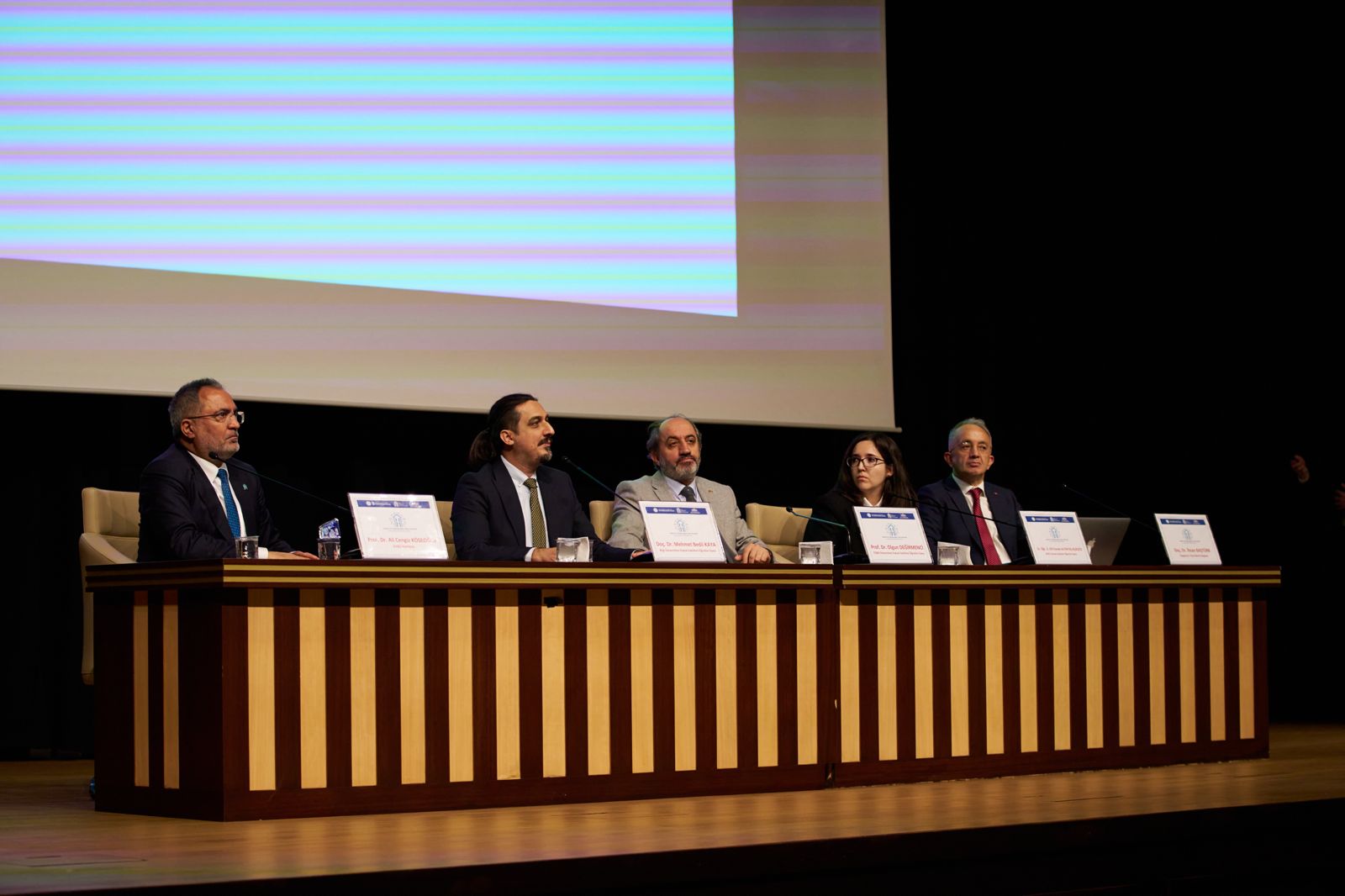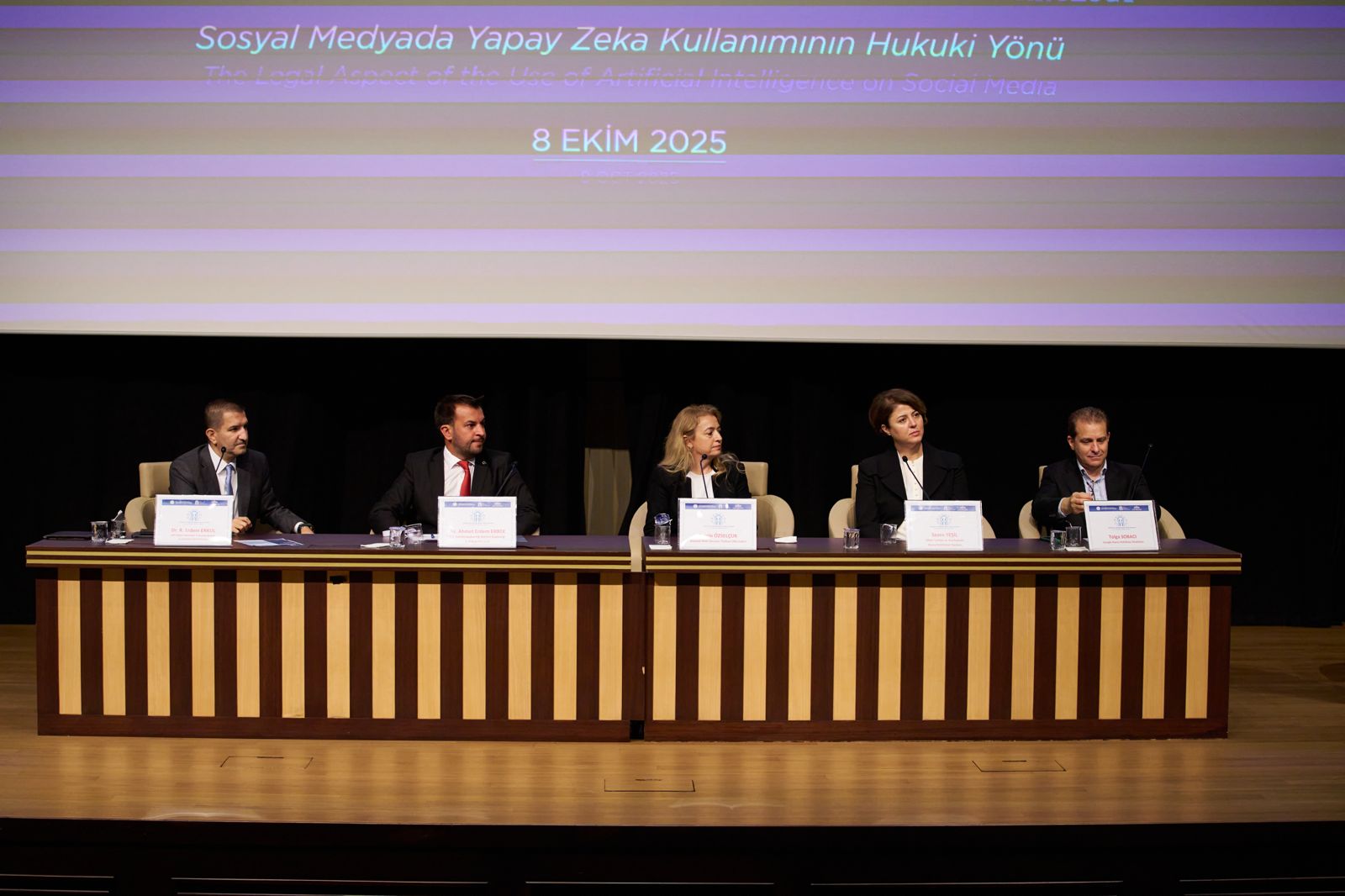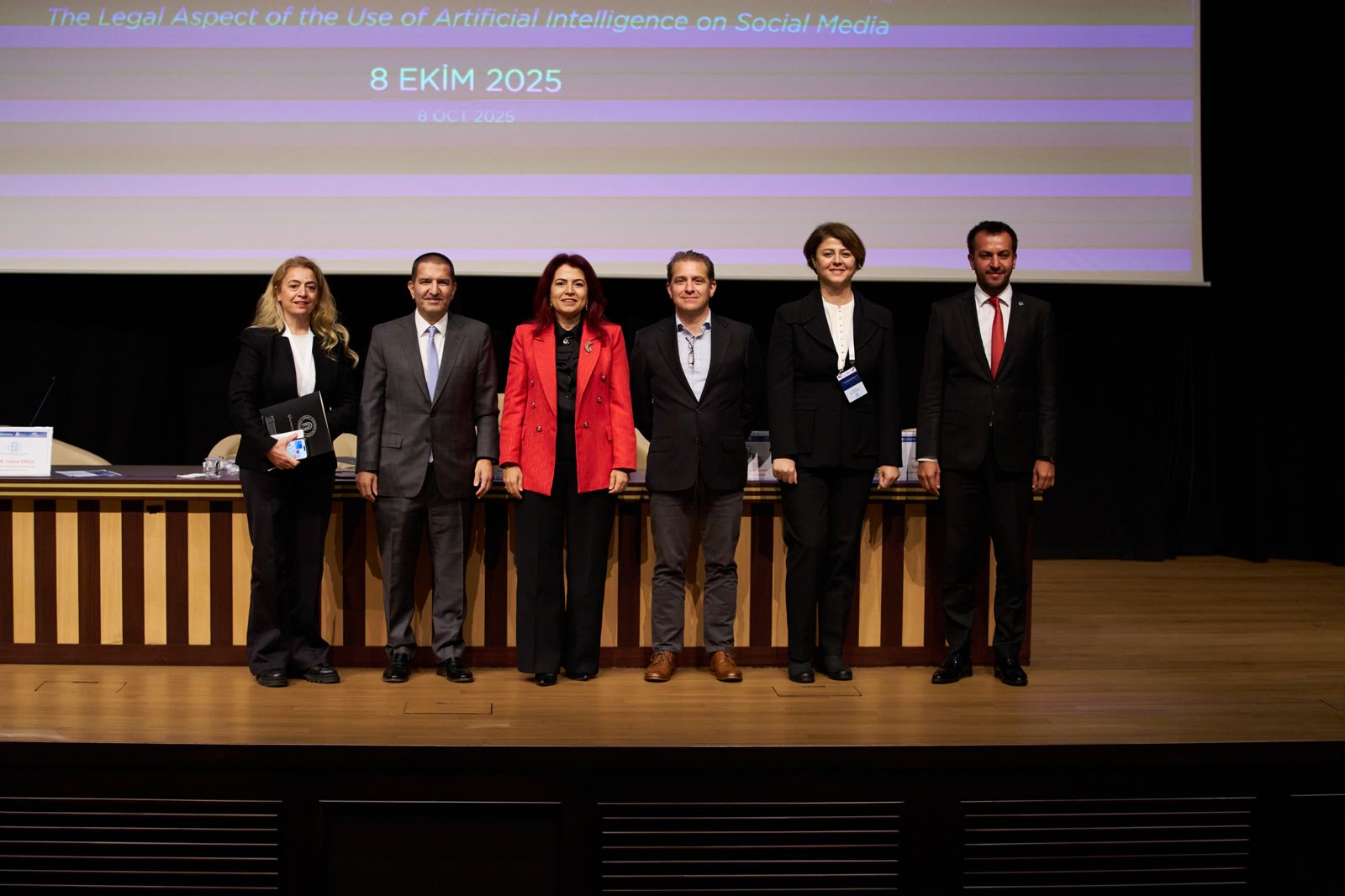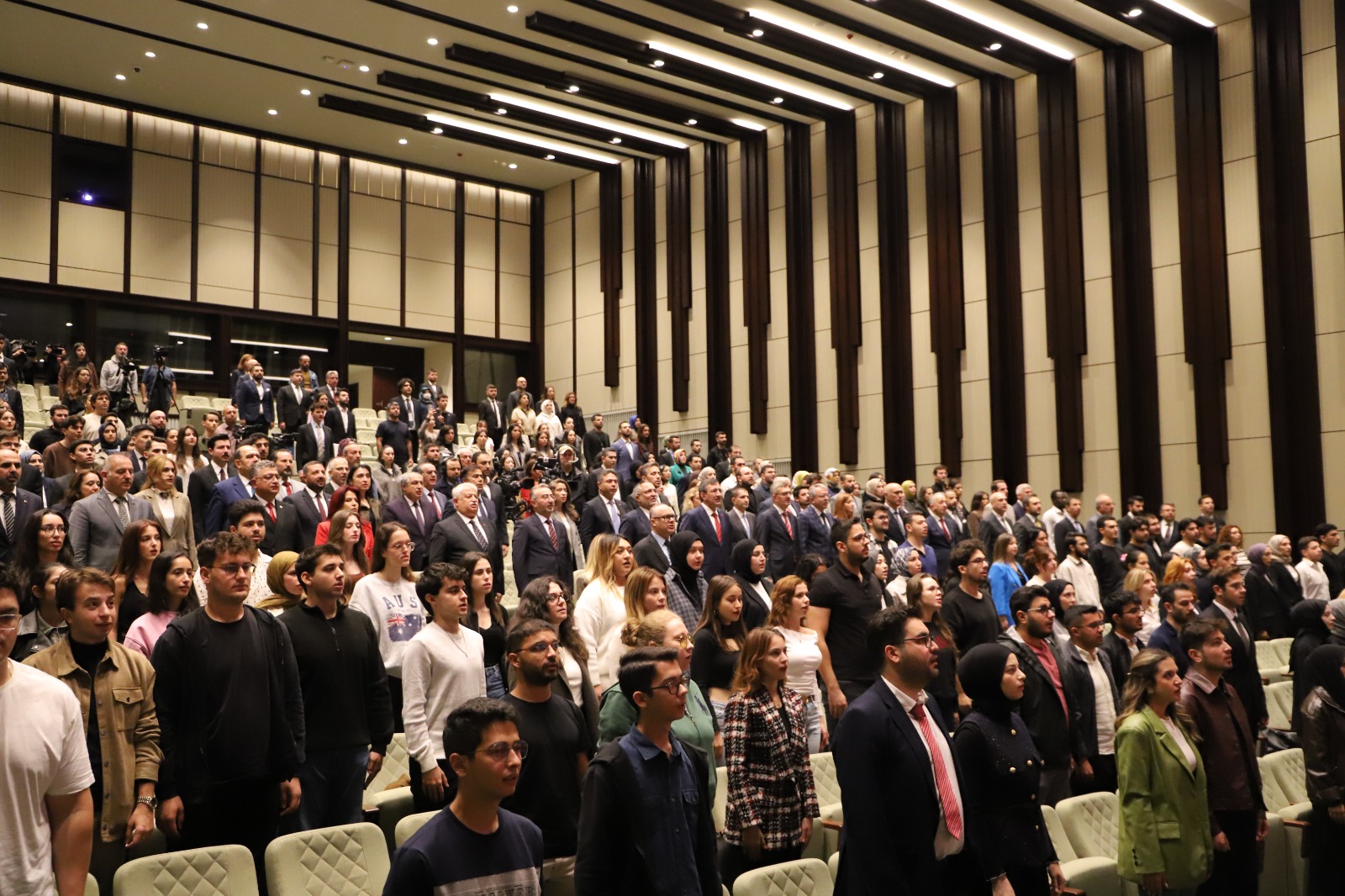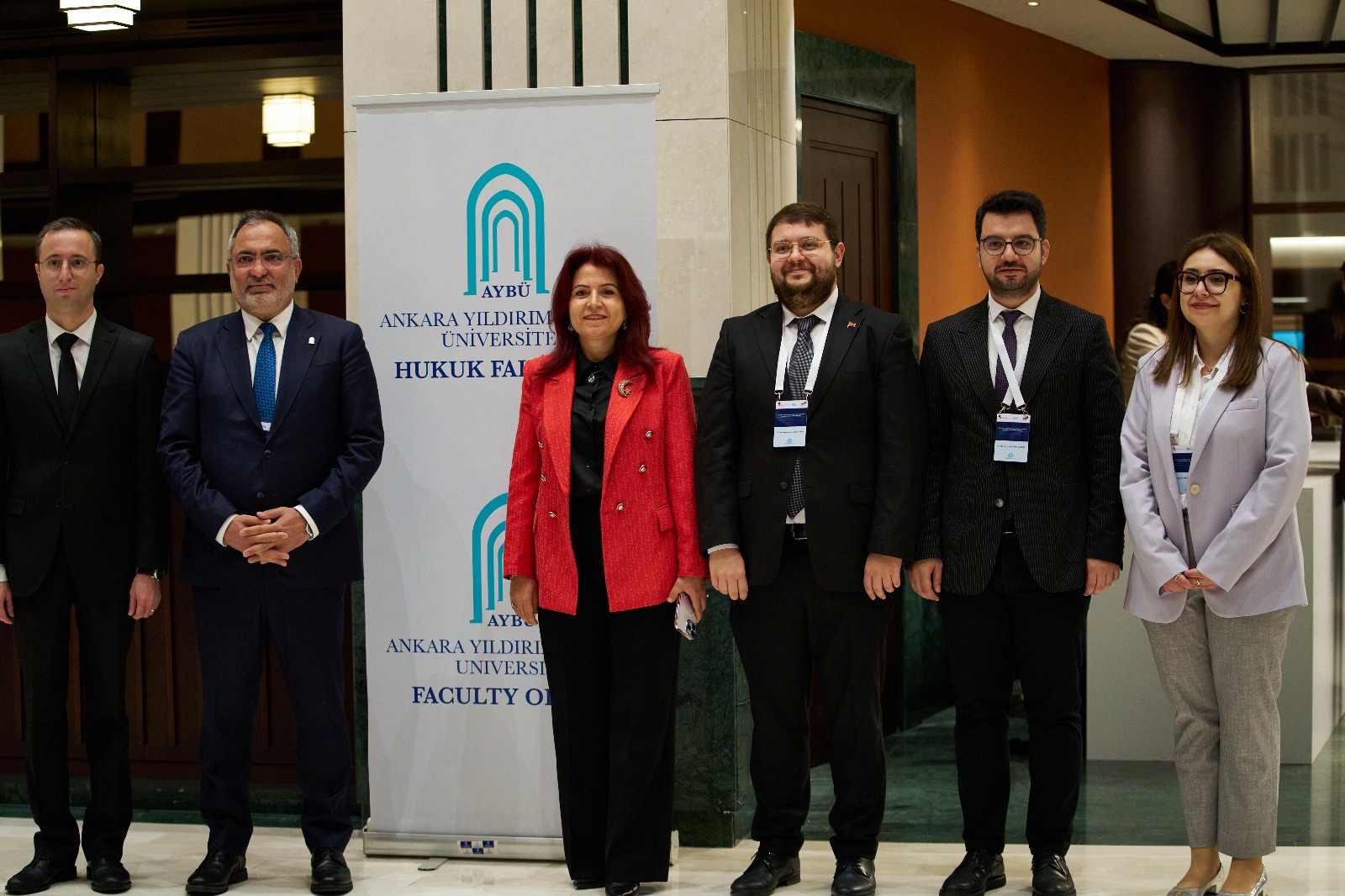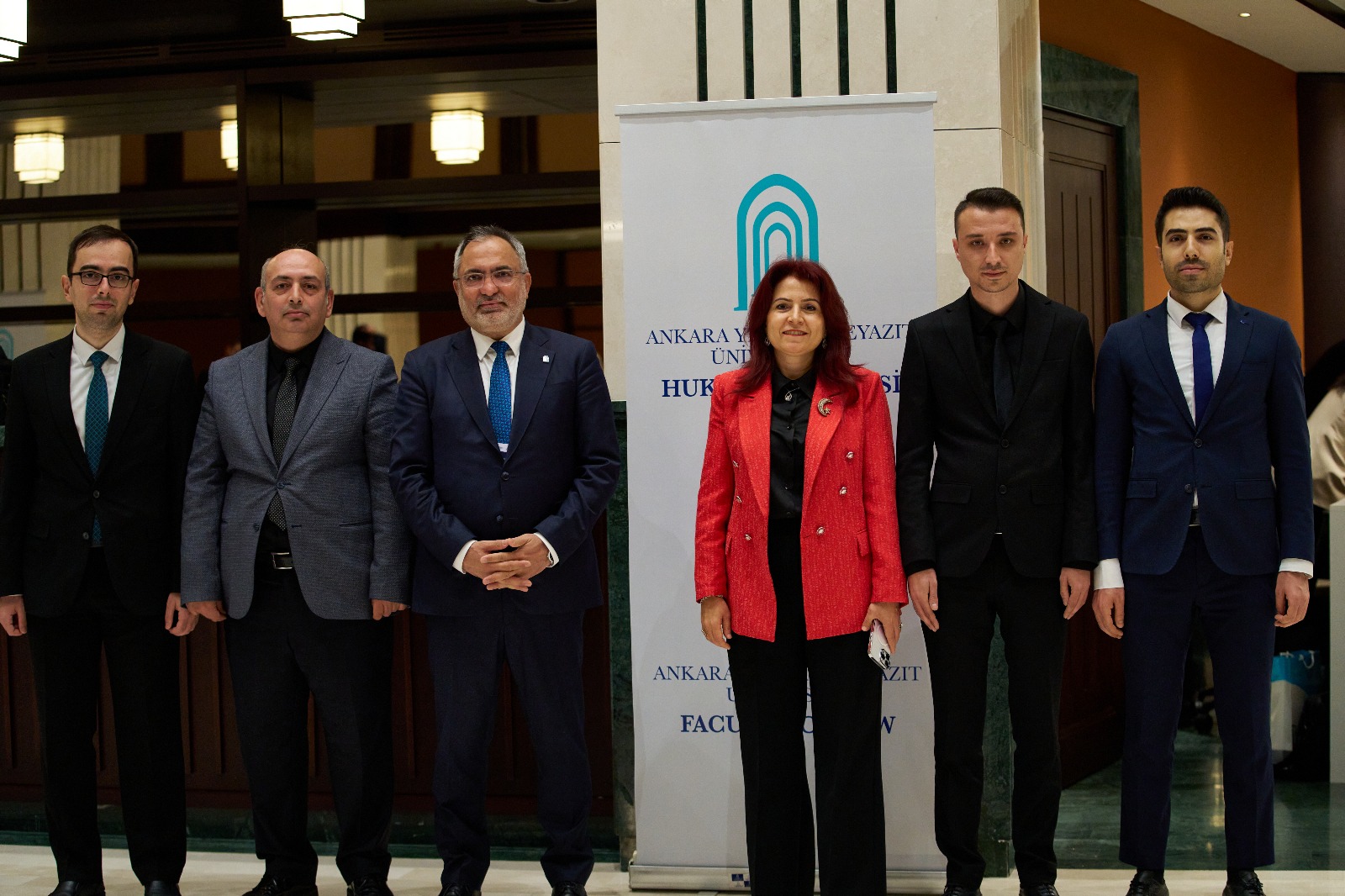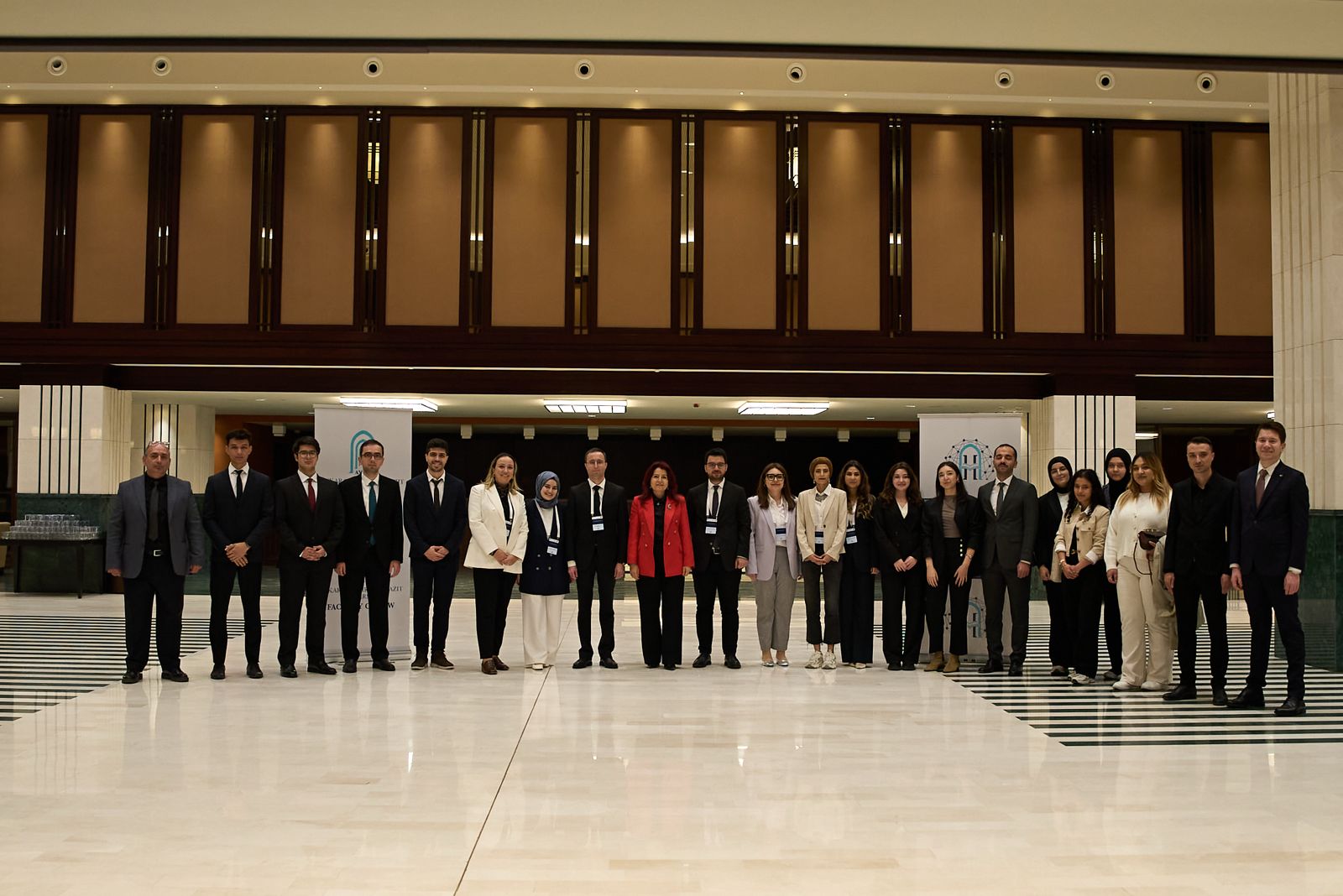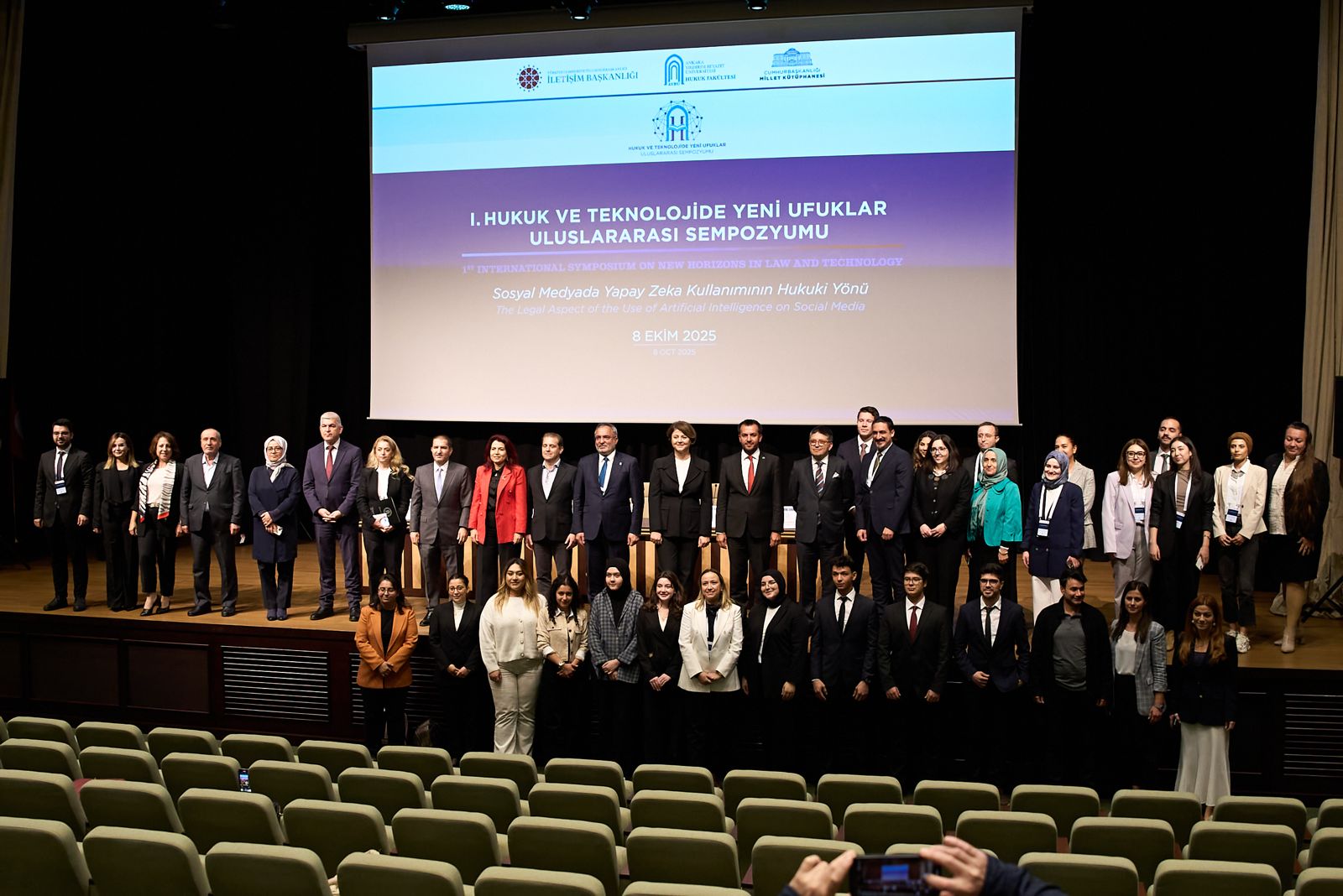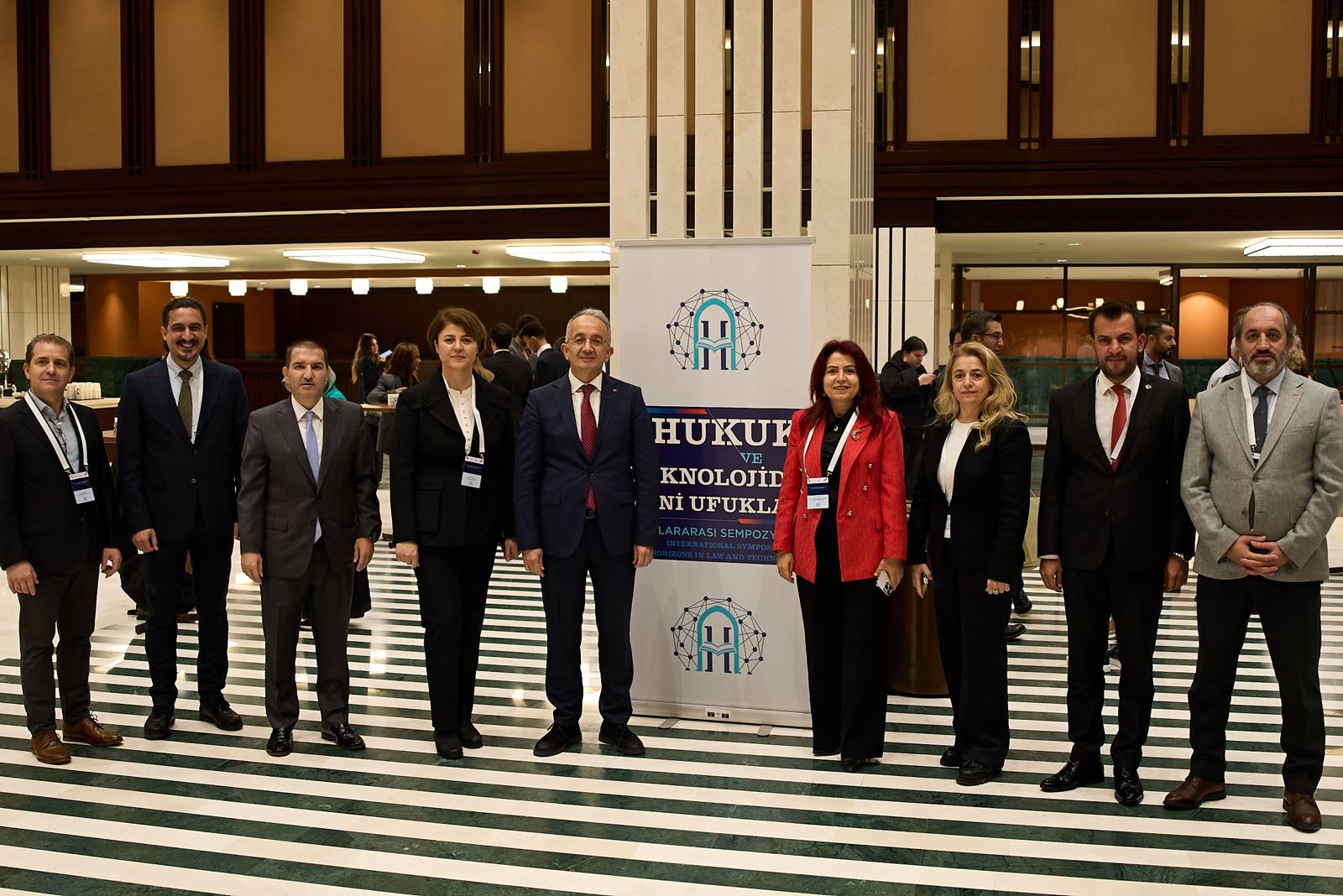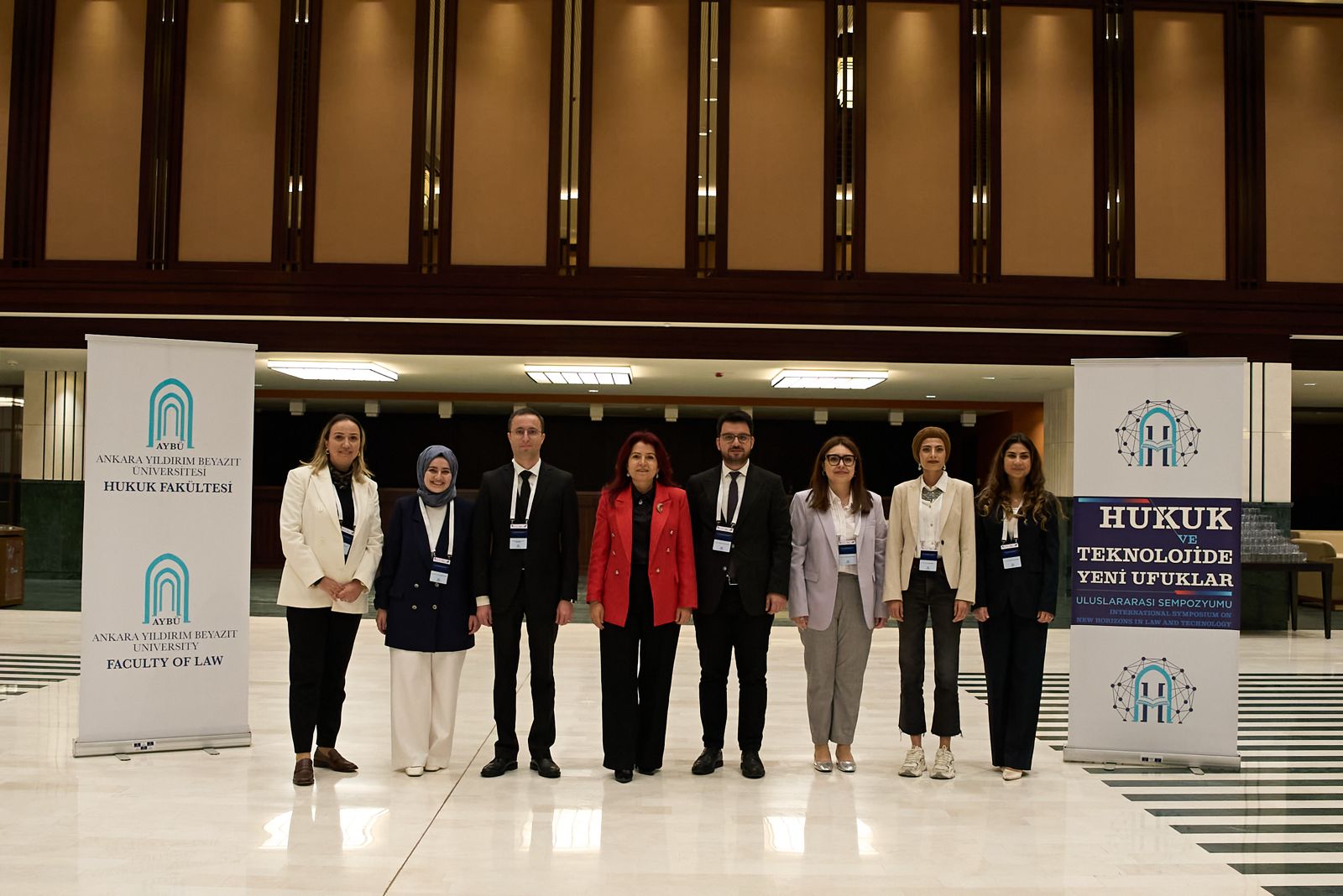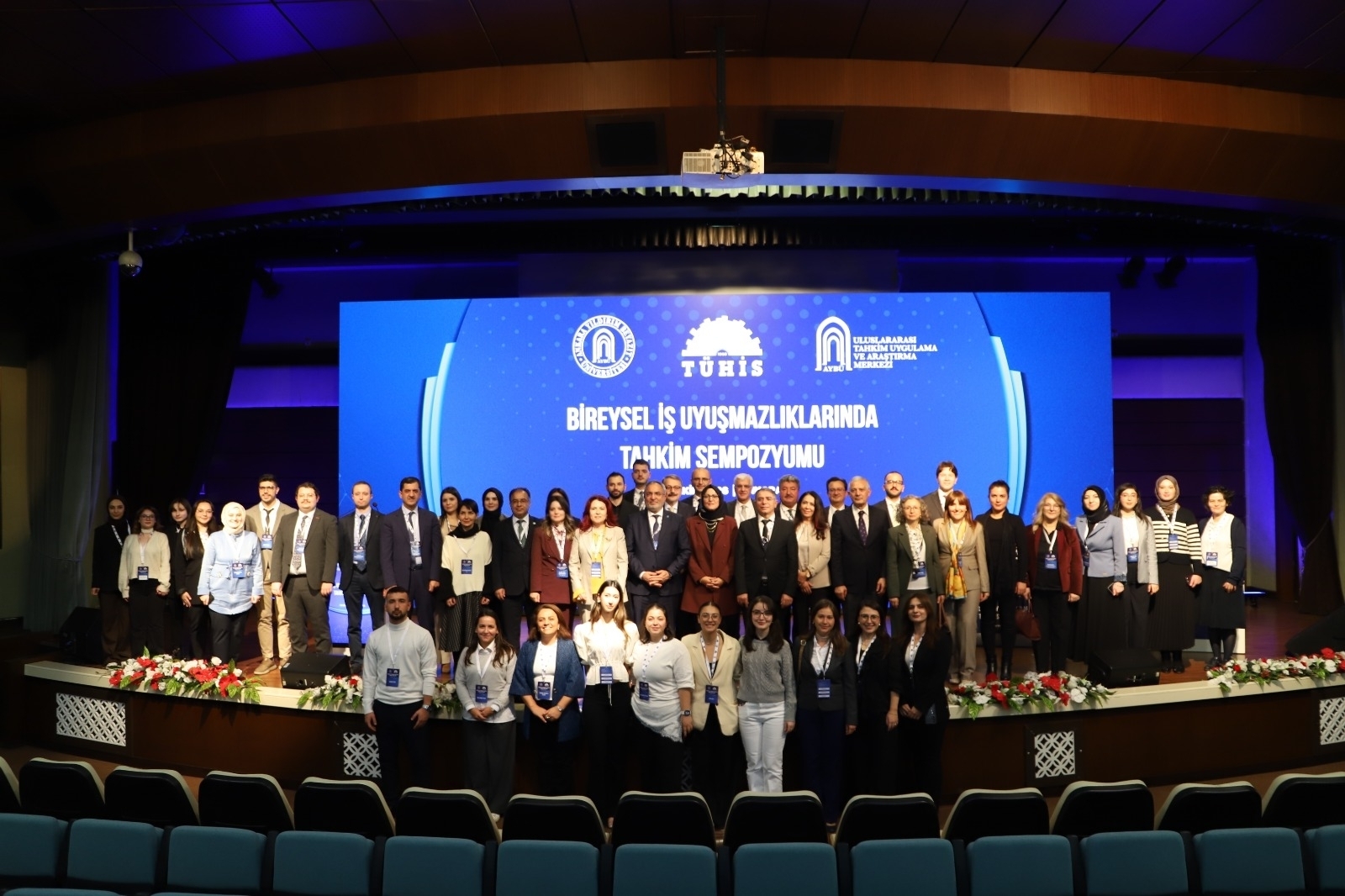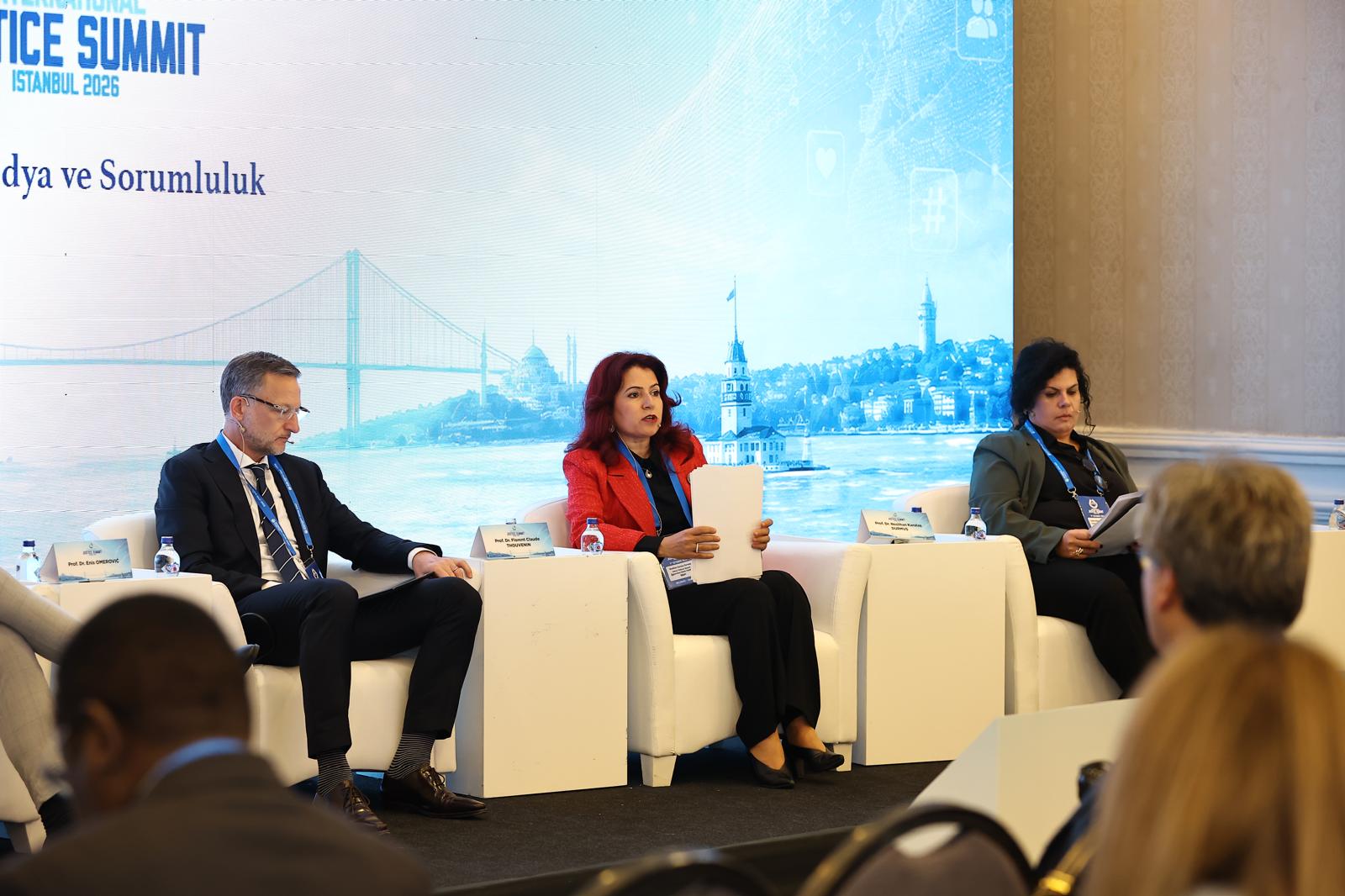


The “1st International Symposium on New Horizons in Law and Technology,” organized by Ankara Yıldırım Beyazıt University (AYBÜ) Faculty of Law in collaboration with the Presidency of the Republic of Türkiye Directorate of Communications and the Presidential National Library, was held at the Presidential National Library. In the inaugural symposium, the legal, ethical, and societal dimensions of artificial intelligence were comprehensively addressed under the theme “The Legal Aspect of Artificial Intelligence Use in Social Media.” The event, conducted in three sessions, was followed with great interest by academics, public representatives, and students from diverse disciplines.
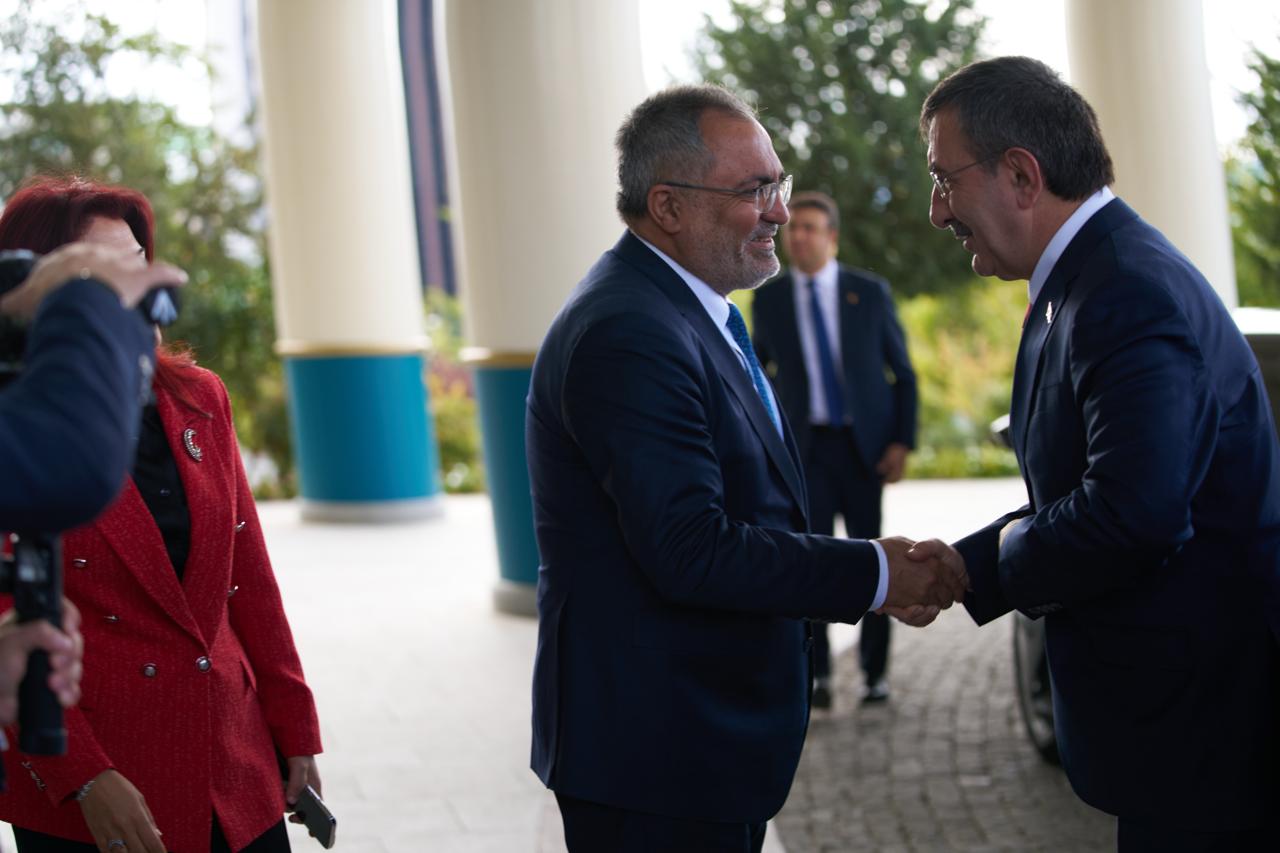
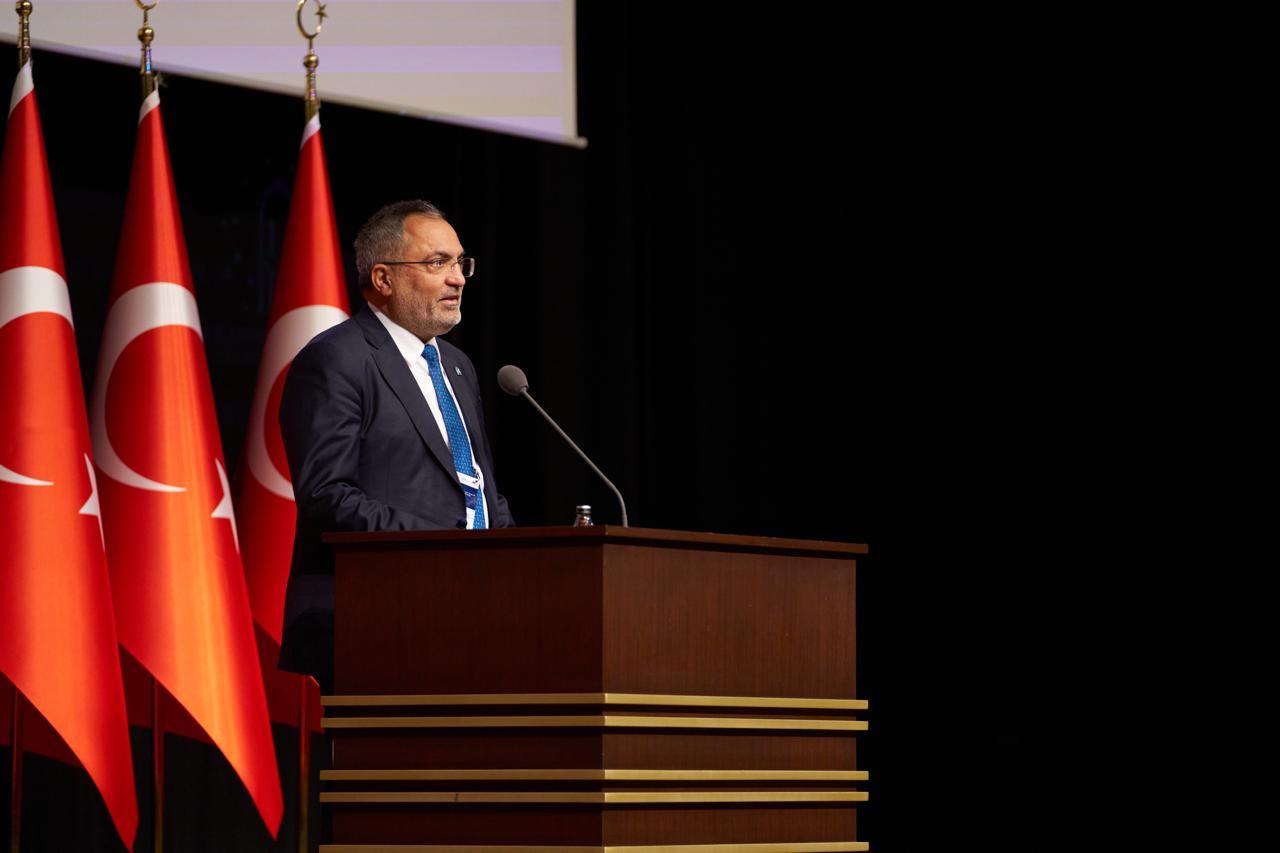
The opening speeches of the event were delivered by Vice President Dr. Cevdet YILMAZ, Presidential Communications Director Prof. Dr. Burhanettin DURAN, AYBÜ Rector Prof. Dr. Ali Cengiz KÖSEOĞLU, and Dean of the AYBÜ Faculty of Law Prof. Dr. Neslihan KARATAŞ DURMUŞ.
In his address, Vice President Dr. Cevdet YILMAZ stated that Türkiye has established a multi-layered legal framework to manage the ethical and security risks associated with artificial intelligence. Stating that digitalization brings not only technological renewal but also profound challenges in the fields of law, ethics, and governance, YILMAZ shared the following assessments:
“Today, the question is no longer just what technology makes possible, but how compatible it is with human dignity, freedoms, and social justice. Issues such as robot law, the boundaries of artificial intelligence decision-making, algorithmic neutrality, and digital ethics are pushing the limits of modern legal systems.”
Emphasizing that universities play a critical role in this transformation, Yılmaz added, “Our expectation from academia is not merely to produce algorithms, but to adopt an approach that analyzes the effects of these algorithms on society and develops value-based policy recommendations.”
Presidential Communications Director Prof. Dr. Burhanettin DURAN emphasized that fake content produced with deepfake technologies, when combined with the unlawful use of big data, influences social perceptions. Noting that the Center for Combating Disinformation, established under the Presidency Directorate of Communications, has detected nearly 2,500 disinformation cases since 2022, he stated:
“We will make every effort for a safe and fair communication ecosystem by increasing our local and national platforms, promoting digital literacy, and strengthening our legal infrastructure. Because a fairer world is possible in the digital realm as well.”
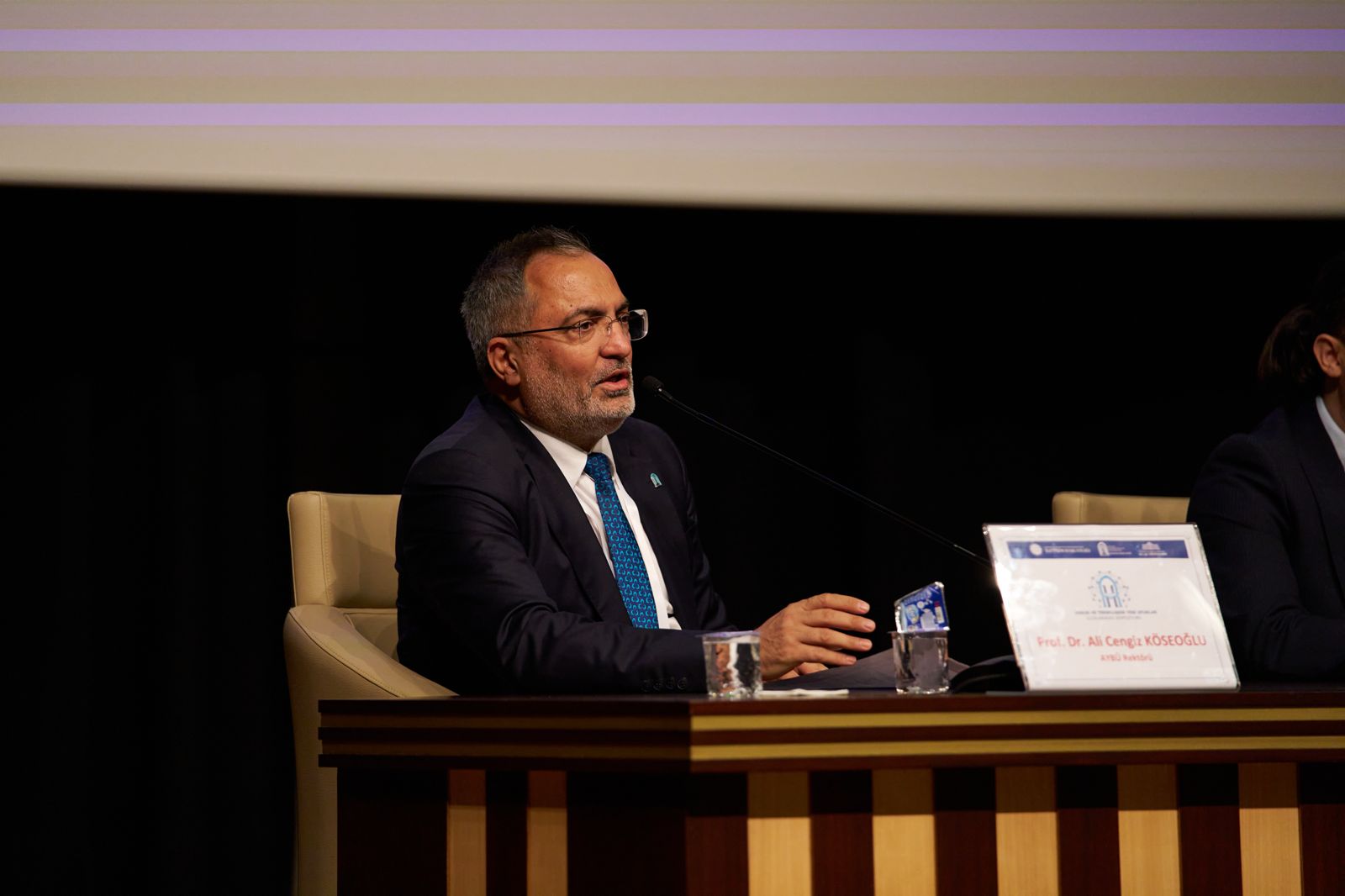
Speaking at the opening of the program, AYBÜ Rector Prof. Dr. Ali Cengiz KÖSEOĞLU highlighted that the current era is defined not only by technological advancements but also by their legal, ethical, and societal impacts. KÖSEOĞLU noted that law must be a discipline that understands, regulates, and shapes the transformations driven by technology while applying existing norms.
“The presentations will not only analyze current practices but also pave the way for developing concrete recommendations on how law can respond to digital transformation and how ethical principles and fundamental rights can be protected during this process. In this regard, the symposium will create a dialogue platform that brings law and technology together, critically reflect on knowledge sharing, and encourage collective solution production.”
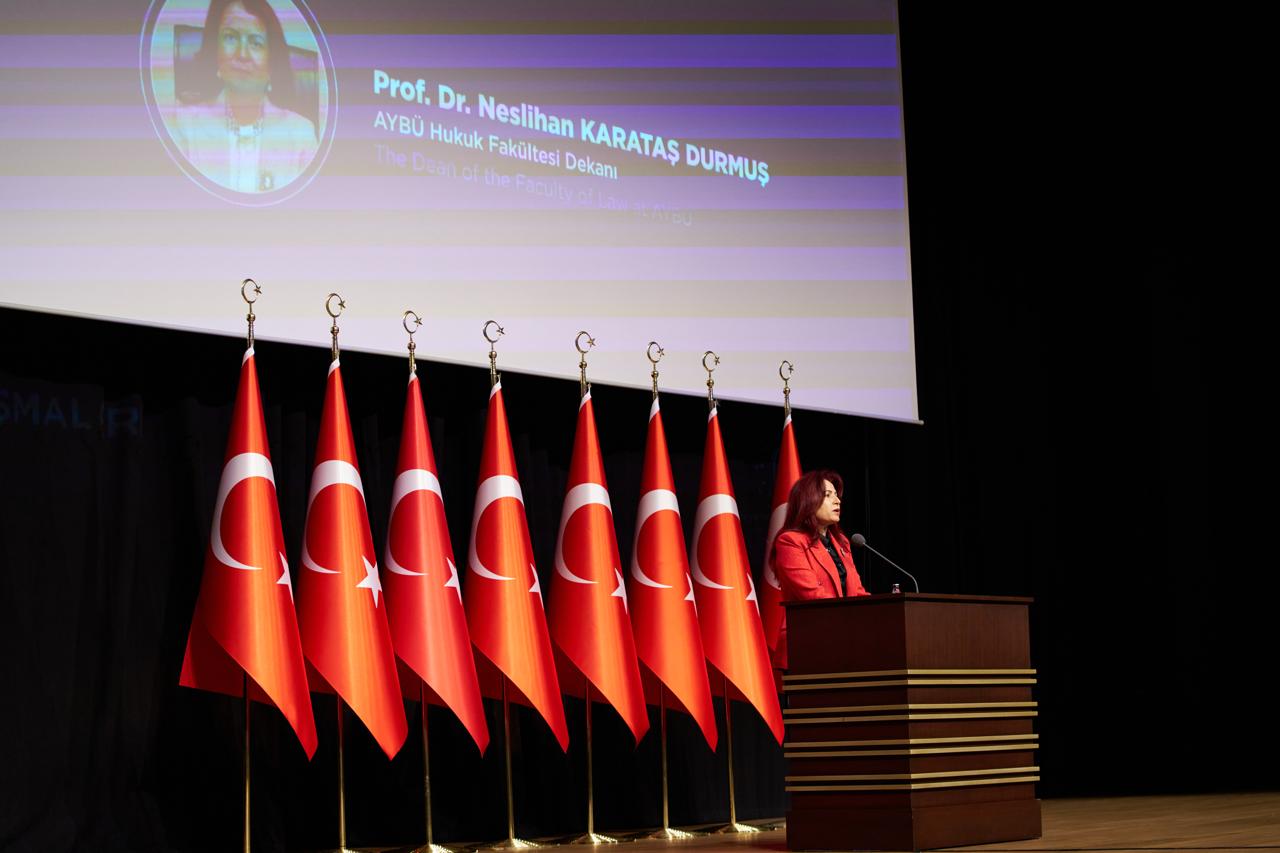
Dean of the AYBÜ Faculty of Law Prof. Dr. Neslihan KARATAŞ DURMUŞ stated that technology is not merely an economic or technical element; it has become a multi-dimensional phenomenon that redefines the boundaries of law, ethics, and social order.
“The symposium we are holding for the first time today allows for the discussion of new legal problems arising from technological developments from a multidisciplinary perspective. Issues such as social media, artificial intelligence, data security, privacy, cybercrimes, disinformation, and the responsibility to combat them are among the priority topics that should be addressed not only as technical matters but also in the context of human dignity, fundamental rights, and democratic values,” she said.
In the three-session symposium, topics including the use of artificial intelligence in social media, algorithmic justice, personal data protection, the legal consequences of deepfake content, and ethical governance were discussed at national and international levels. The event emphasized that in the process of digitalization, law should not be merely a regulatory tool, but a system that guides technological transformation.
This symposium, conducted by the AYBÜ Faculty of Law, was evaluated as one of Türkiye's leading academic platforms in knowledge production at the international level in the field of law and technology. It strongly demonstrated the vision of the AYBÜ Faculty of Law to be an authoritative institution in law and technology, not only nationally but also within the international academic community. By effectively reflecting the faculty's scientific productivity and its commitment to contributing to our country's legal policies, the event has made the AYBÜ Faculty of Law a pioneering reference point at the intersection of law and technology. The symposium, which was held for the first time this year, is planned to be established as a sustainable academic tradition and organized regularly every year.