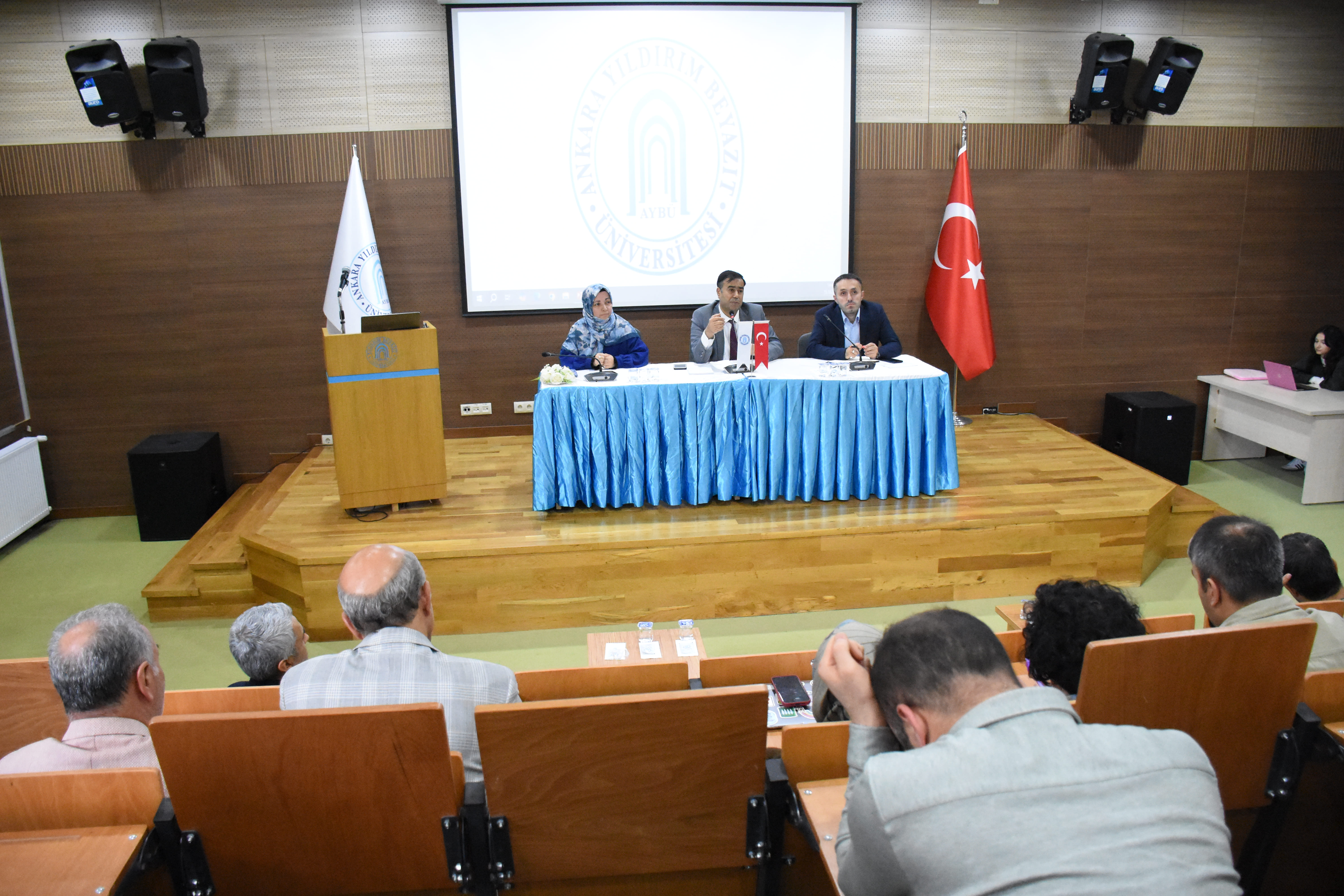

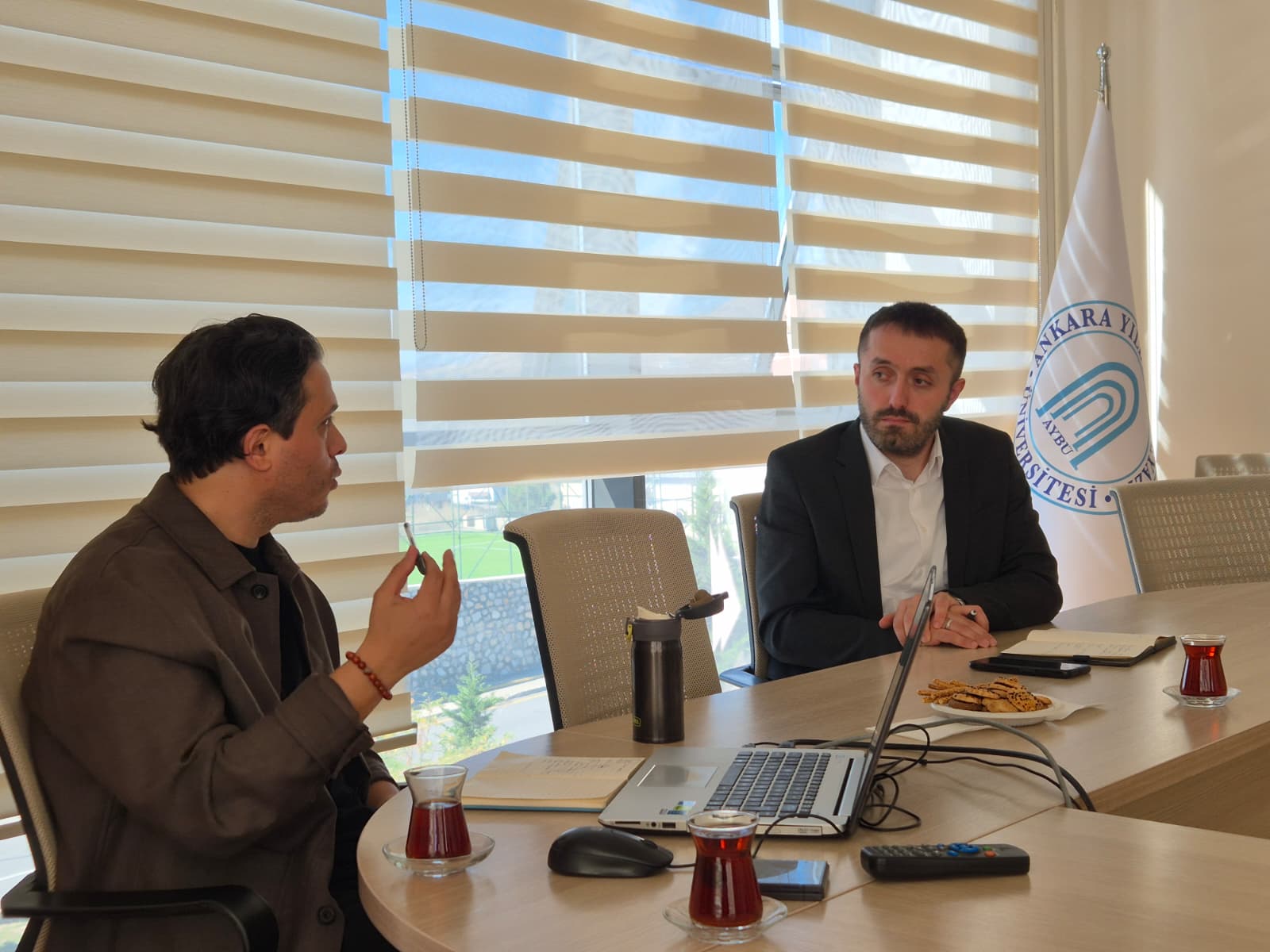
Yeşilyurt examined, from the perspective of tax history, the “starling water” that was believed in Ottoman society to summon starlings against locusts damaging crops, and the family of Sheikh Ali Semerkandî, who were responsible for supplying it. He explained that this family, known as the starling sheikhs, was exempted from taxation for centuries because of this duty, and that the charter granting the exemption was renewed under each sultan and remained in force until the twentieth century. He also noted that, although the sheikhs at times faced pressure from tax officials, the state administration repeatedly insisted that they should not be mistreated or coerced.
According to Yeşilyurt, the privilege and social standing of the family led some people to claim membership in the lineage or to try to settle in the region where it lived, attempts that the Ottoman administration investigated and sought to prevent. Drawing on Ottoman archival sources, he challenged interpretations of the starling water as a talisman and argued that the practice should instead be understood as rukya, a legitimate practice defined in Islamic literature.
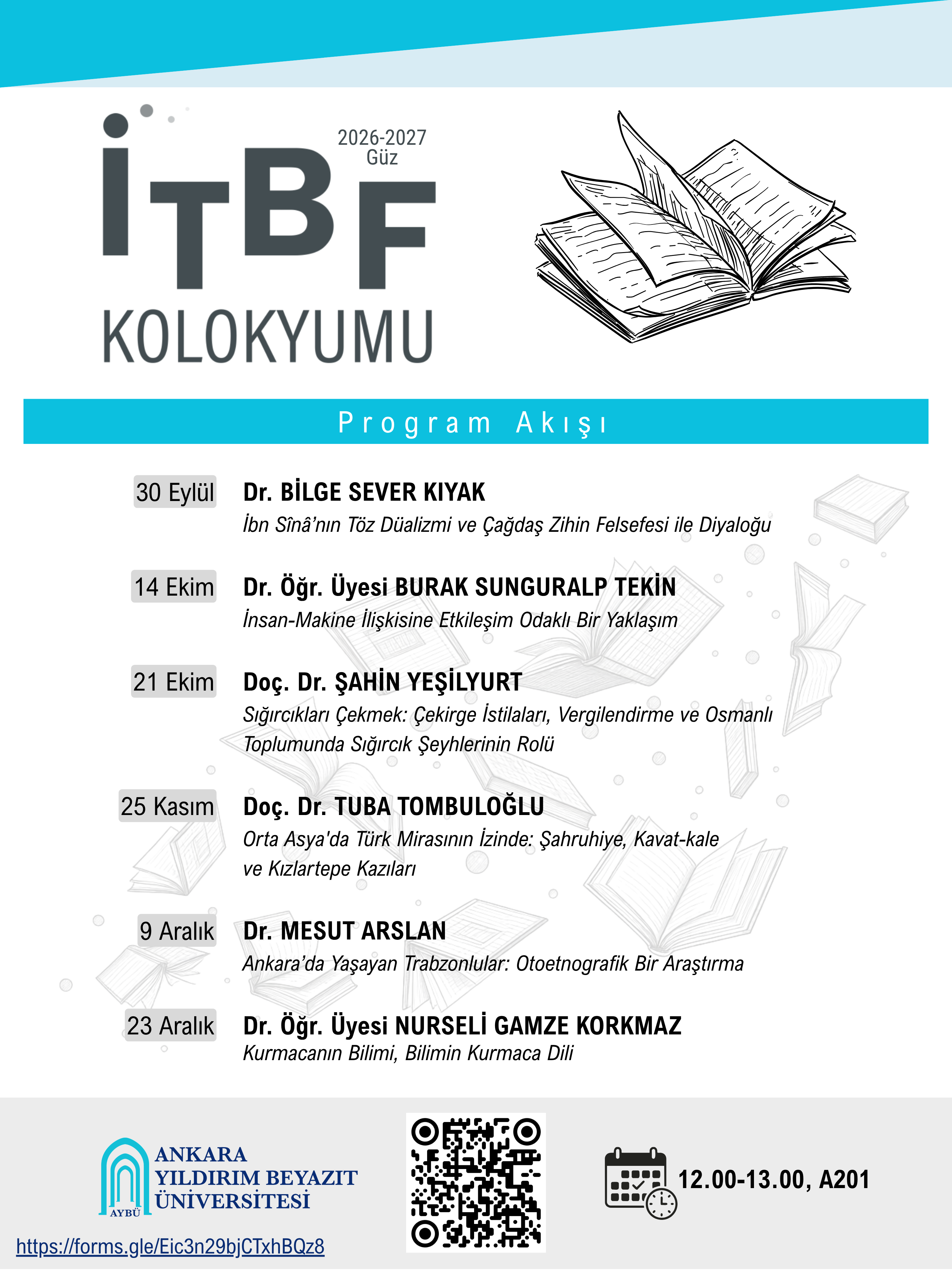
The fourth session of the colloquium will take place on Wednesday, 25 November 2026, with a talk by Assoc. Prof. Dr. Tuba Tombuloğlu of the Department of History, AYBU, titled “In Search of Turkic Heritage in Central Asia: The Excavations at Şahruhiye, Kavat-kale and Kızlartepe.”