

THE SYMPOSIUM OF THE LAW OF DIGITAL AGE
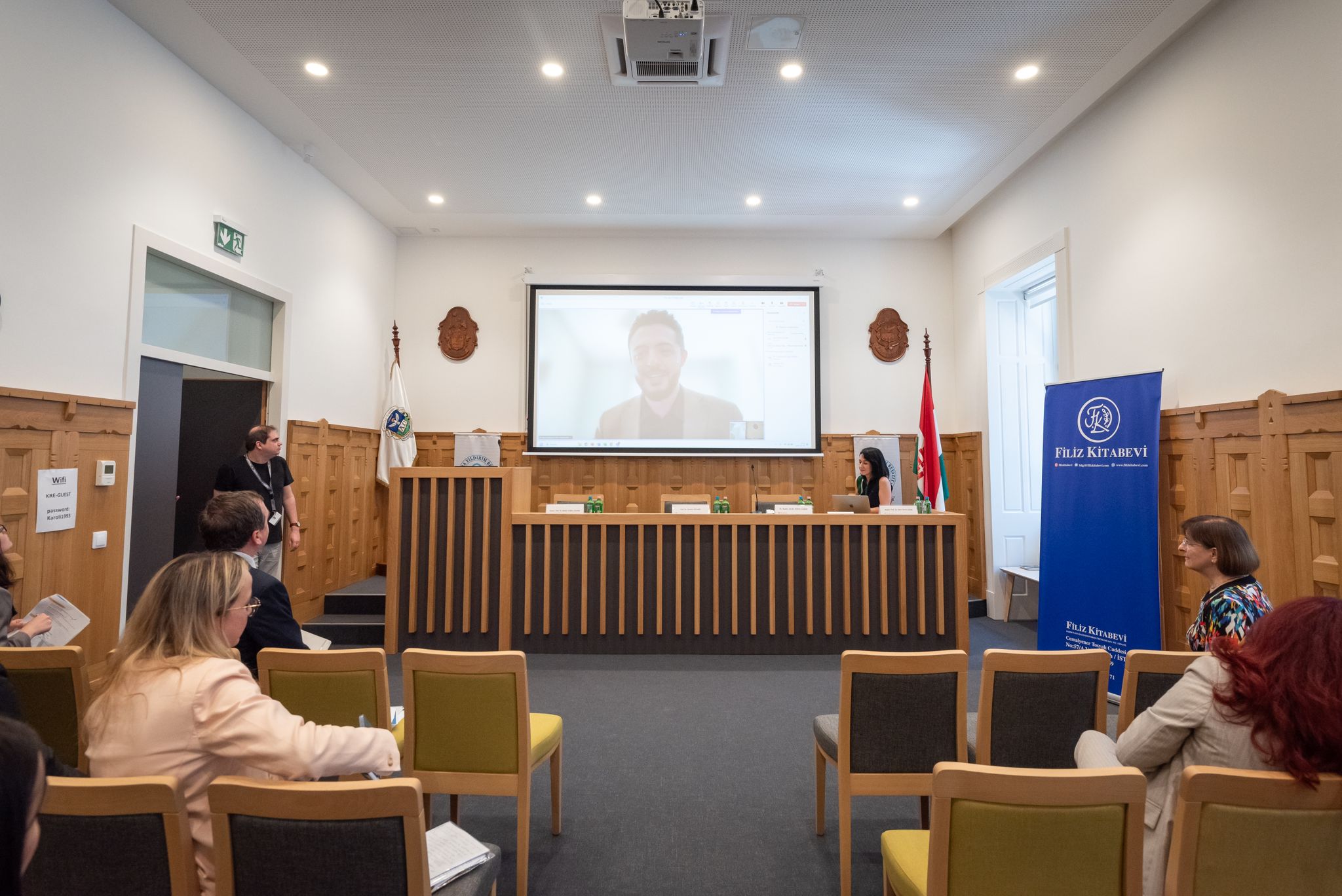
Within the scope of the 100th anniversary of Turkish-Hungarian relations, a symposium on
the Law of the Digital Age was held on June 6–7, 2024, in Budapest, Hungary, in collaboration
with the AYBU Law Faculty and Károli Gáspár University. Turkish and Hungarian academics
had the opportunity to discuss the effects of digitalization and artificial intelligence in multiple
legal fields, as well as the past, present, and future of the digitalization process.
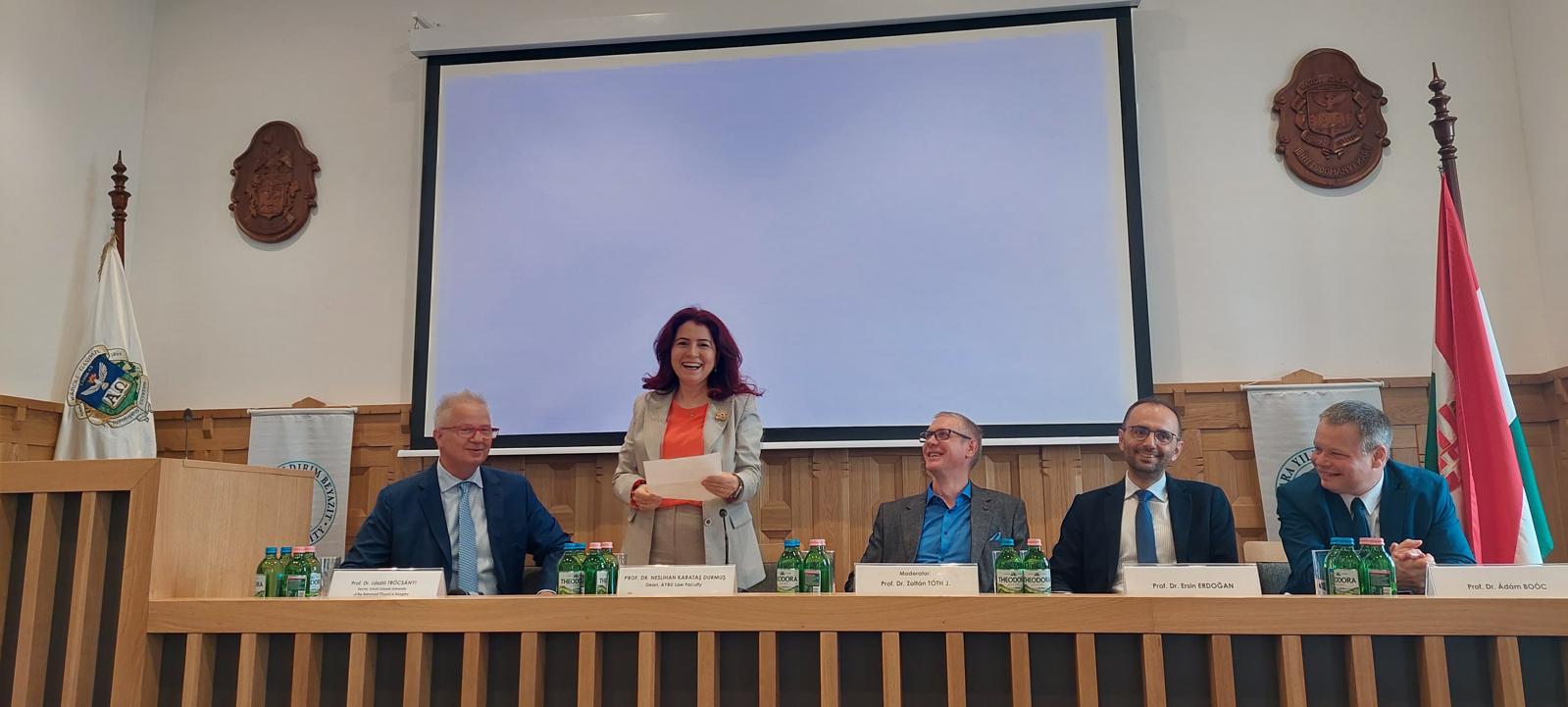
The symposium began with the speeches of Prof. Dr. László Trócsányi, Rector of Károli
Gáspár University, and Prof. Dr. Neslihan Karataş Durmuş, Dean of the AYBU Faculty of Law,
wishing the continuation of the collaboration.
.
The symposium consisted of six distinct sessions, addressing current issues related to arbitration, tax
law, labor law, civil law, migration law, and the application of digitalization and artificial intelligence in
legal proceedings.
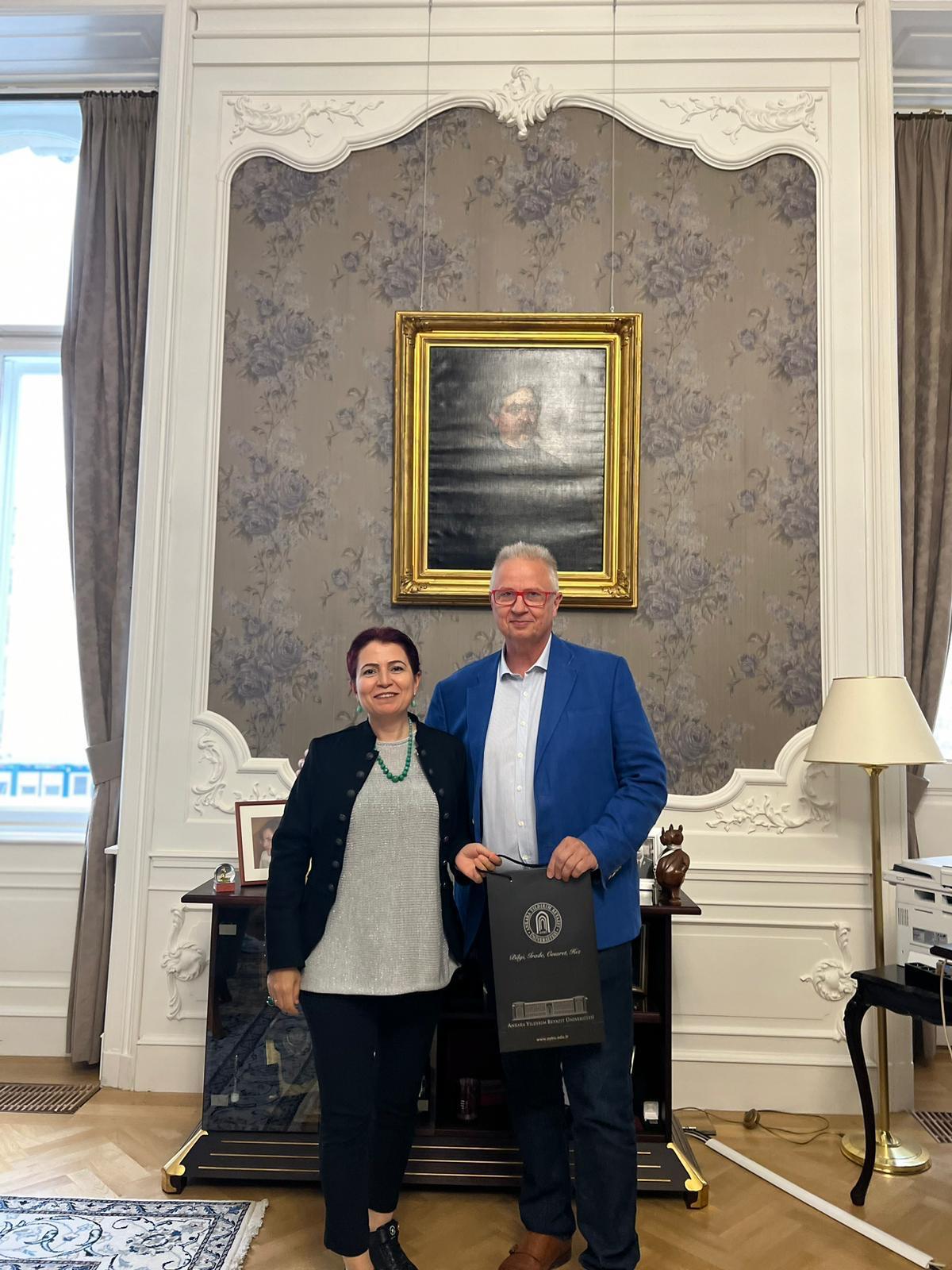
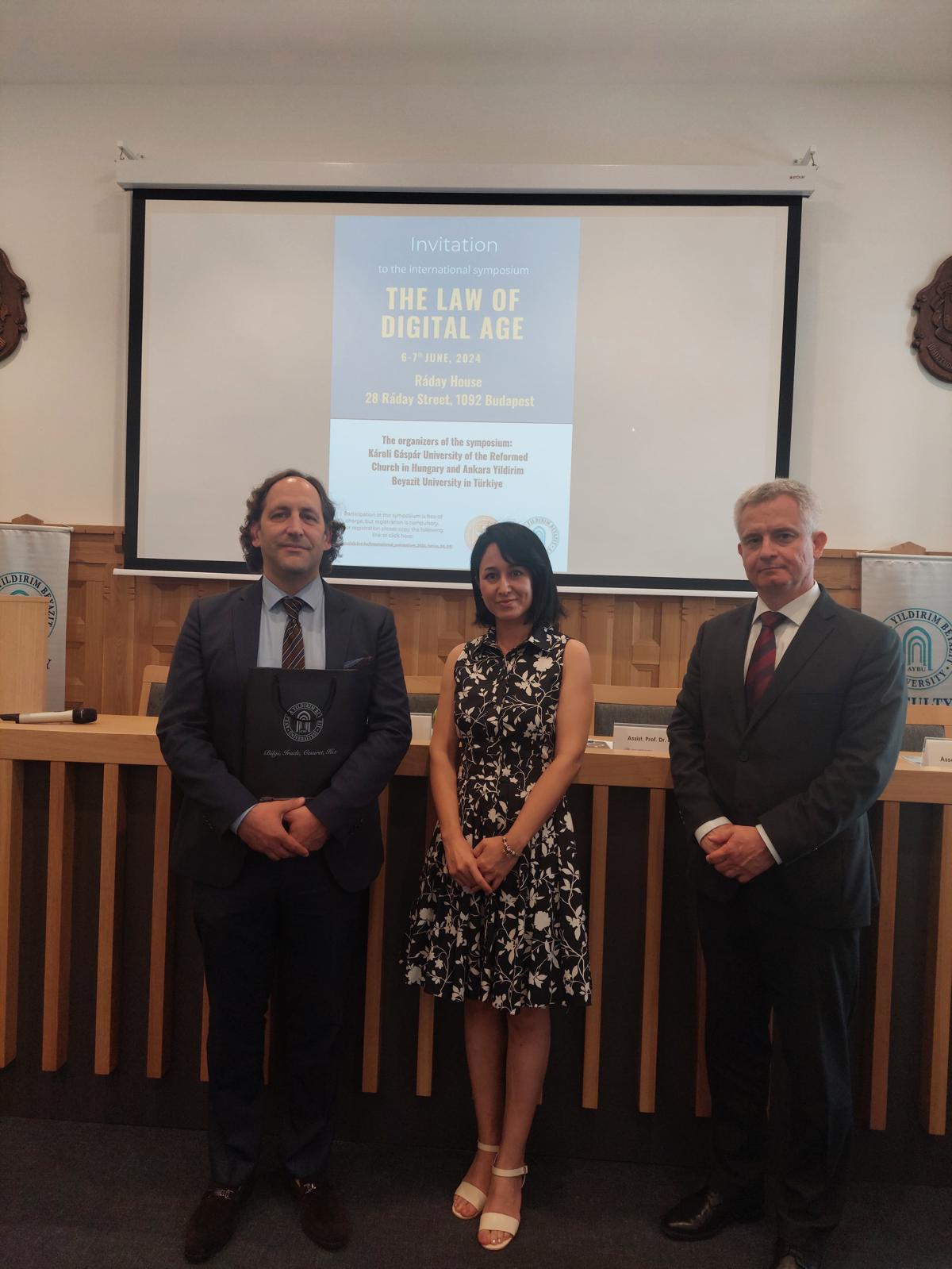
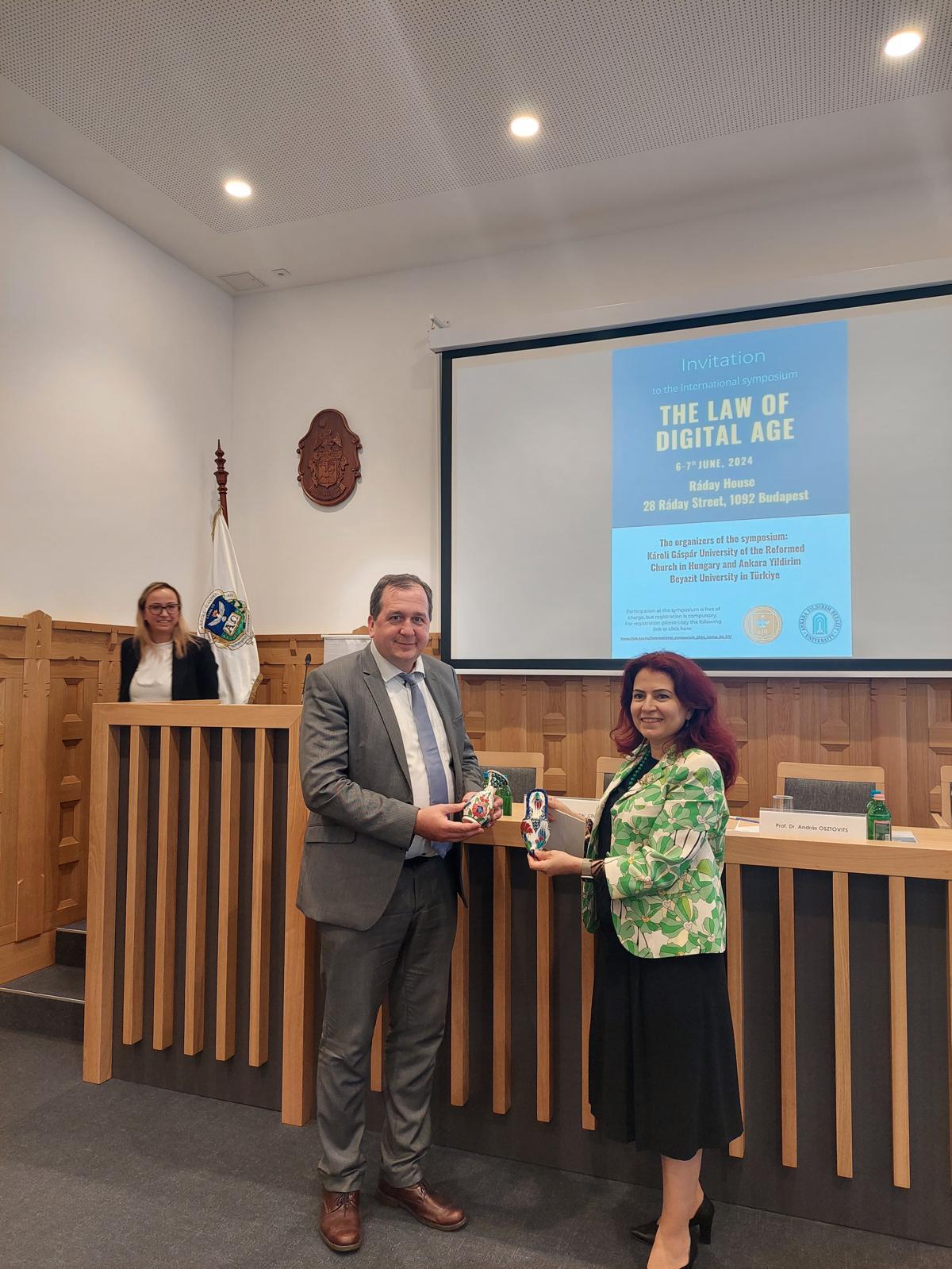
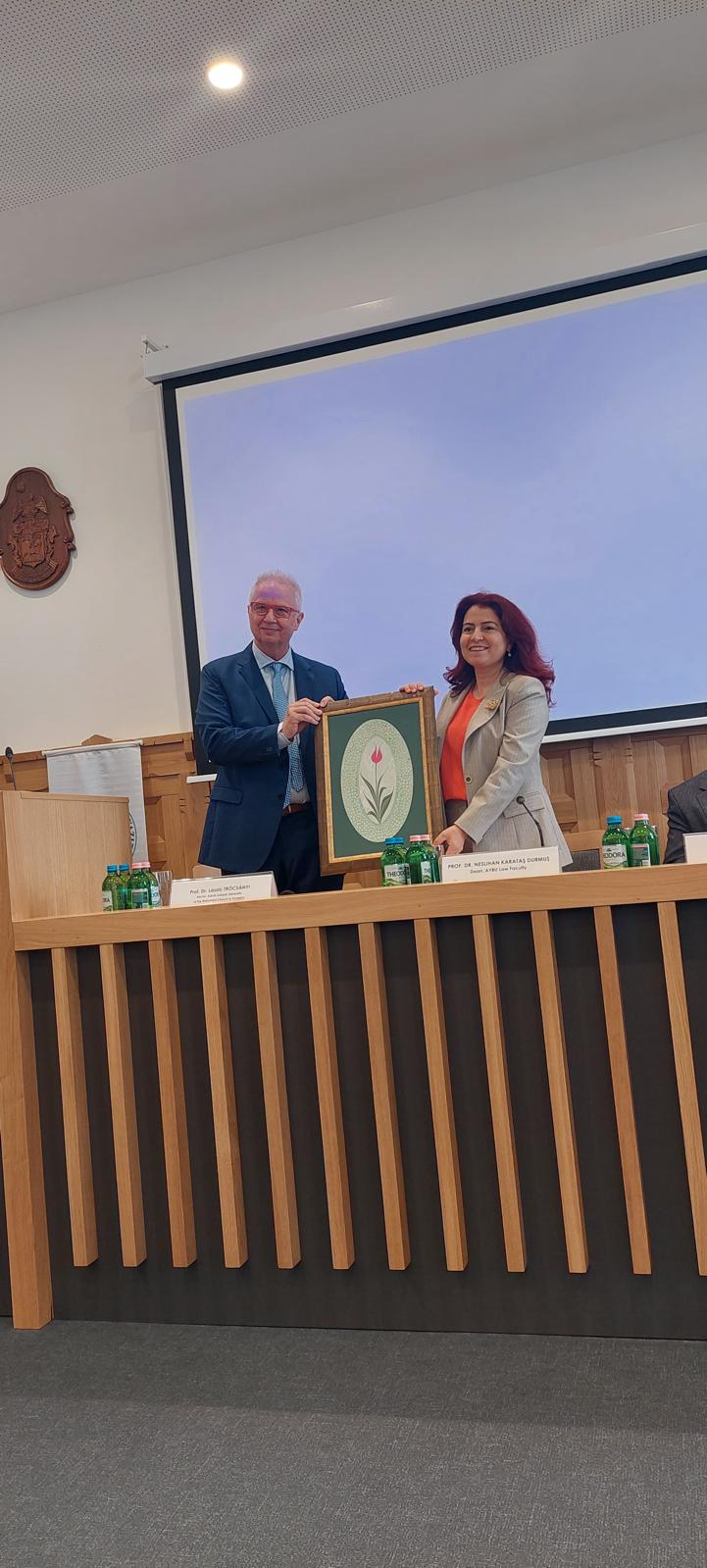
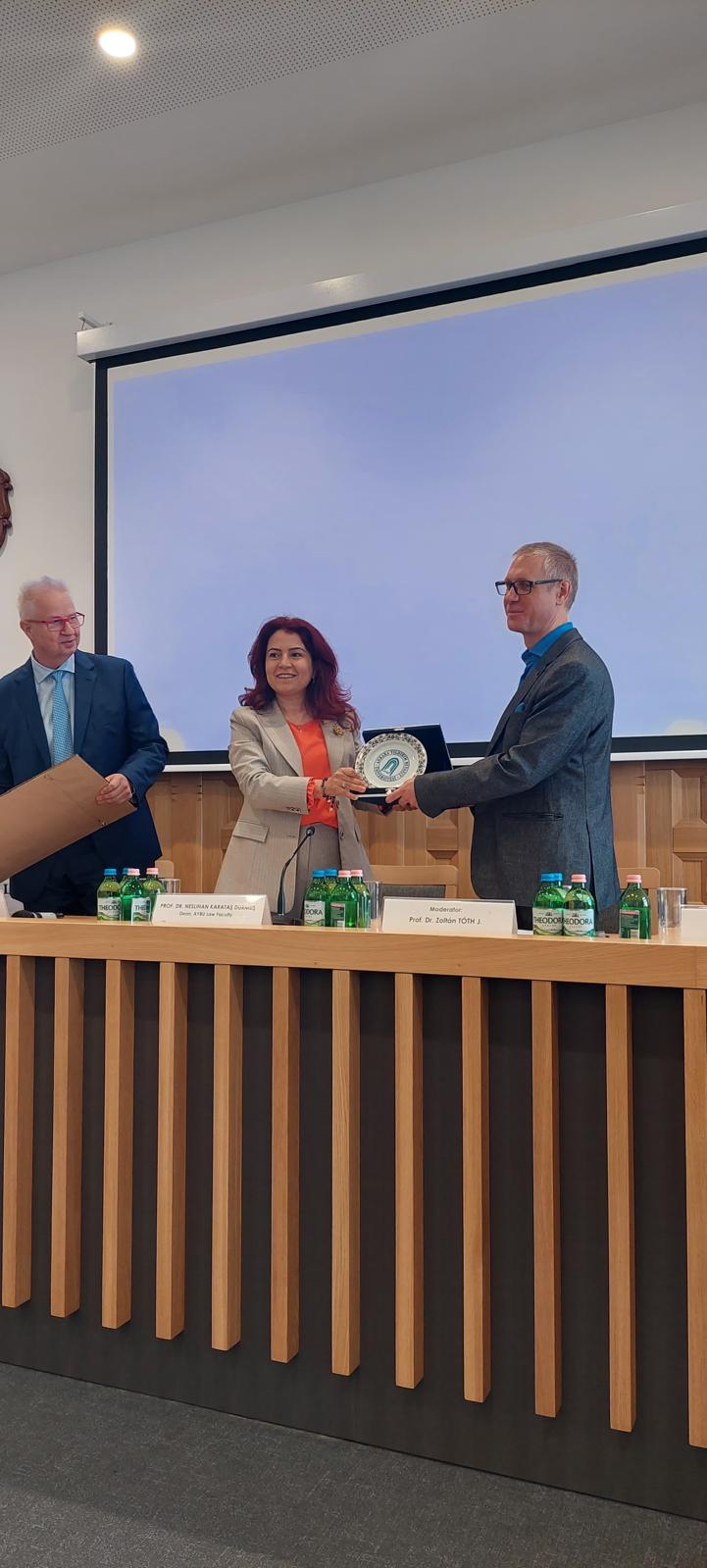
After the inaugural speeches, our Dean, Prof. Dr. Neslihan Karataş Durmuş, presented gifts
representing Turkish culture to Rector Prof. Dr. László Trócsányi and the Dean, Prof. Dr. Zoltán
J. Tóth.
On June 6th, Thursday, the first session chaired by Prof. Dr. Zoltán J. Tóth explored digitalization in
arbitration proceedings and the question of whether artificial intelligence can serve as arbitrators,
discussed by Prof. Dr. Ersin Erdoğan and Prof. Dr. Ádám Boóc. In the second part of this session, the
digitalization process of tax administration was compared comparatively with Turkish examples by Prof.
Dr. Neslihan Karataş Durmuş and Research Assistant Yaren Yitkin and with Hungarian examples by
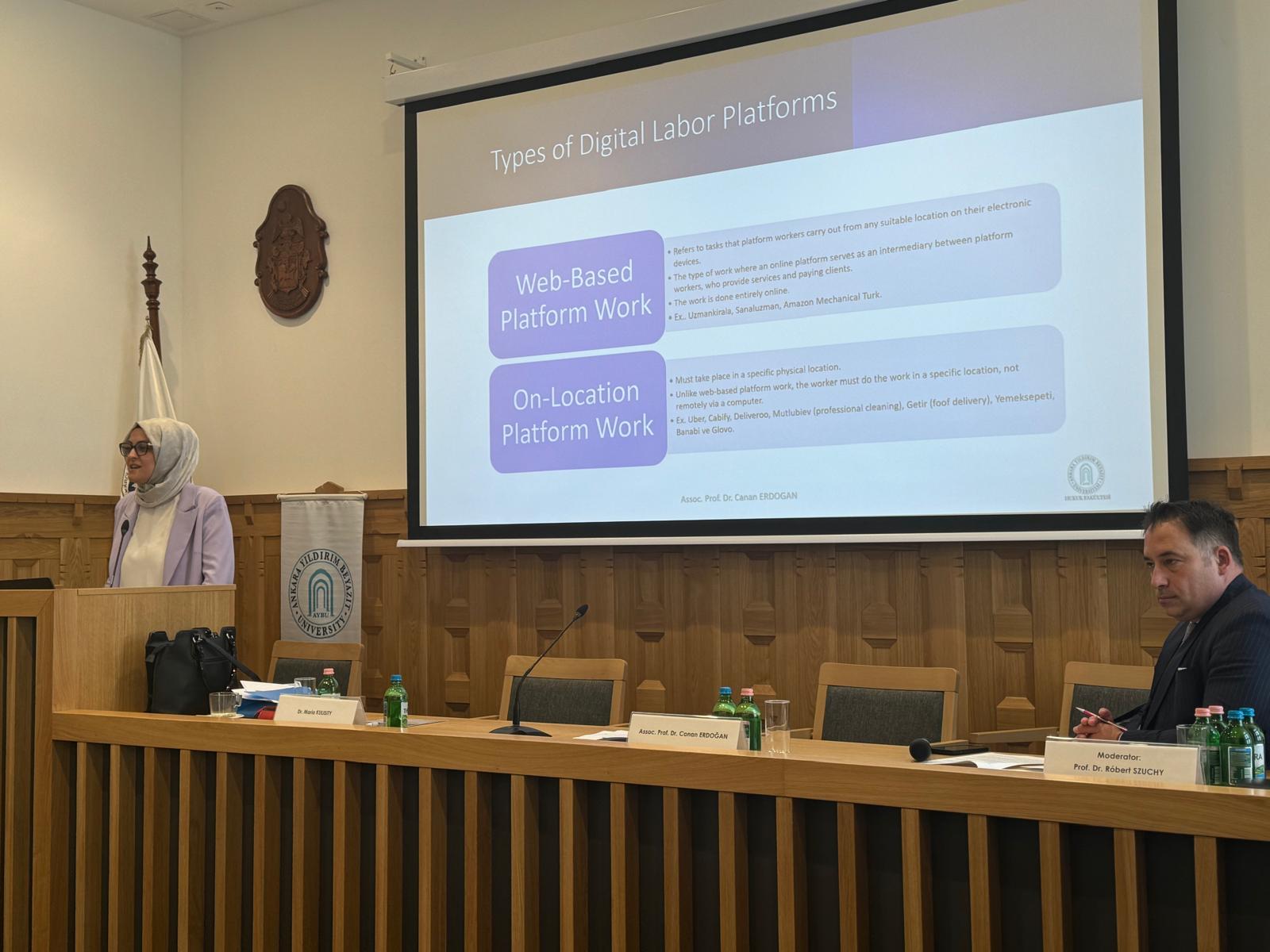
Assoc. Prof. Dr. Zsombor Ercsey. Subsequently, in the session chaired by Vice Rector Prof. Dr. Robert
Szuchy, Assoc. Prof. Dr. Canan Erdoğan and Dr. Maria Kulisity presented their evaluations of the legal
status of digital platform workers within the framework of international judicial decisions and local
examples. The final session of the first day, moderated by Assist. Prof. Dr. Ekin Deniz Uzun, featured
presentations by Assist. Prof. Dr. Osman Buğra Beydoğan and Dr. Agnes Szabo Kokai-Kunne, assessing
the position of intellectual property rights and authors' rights in the face of digitalization in the 21st
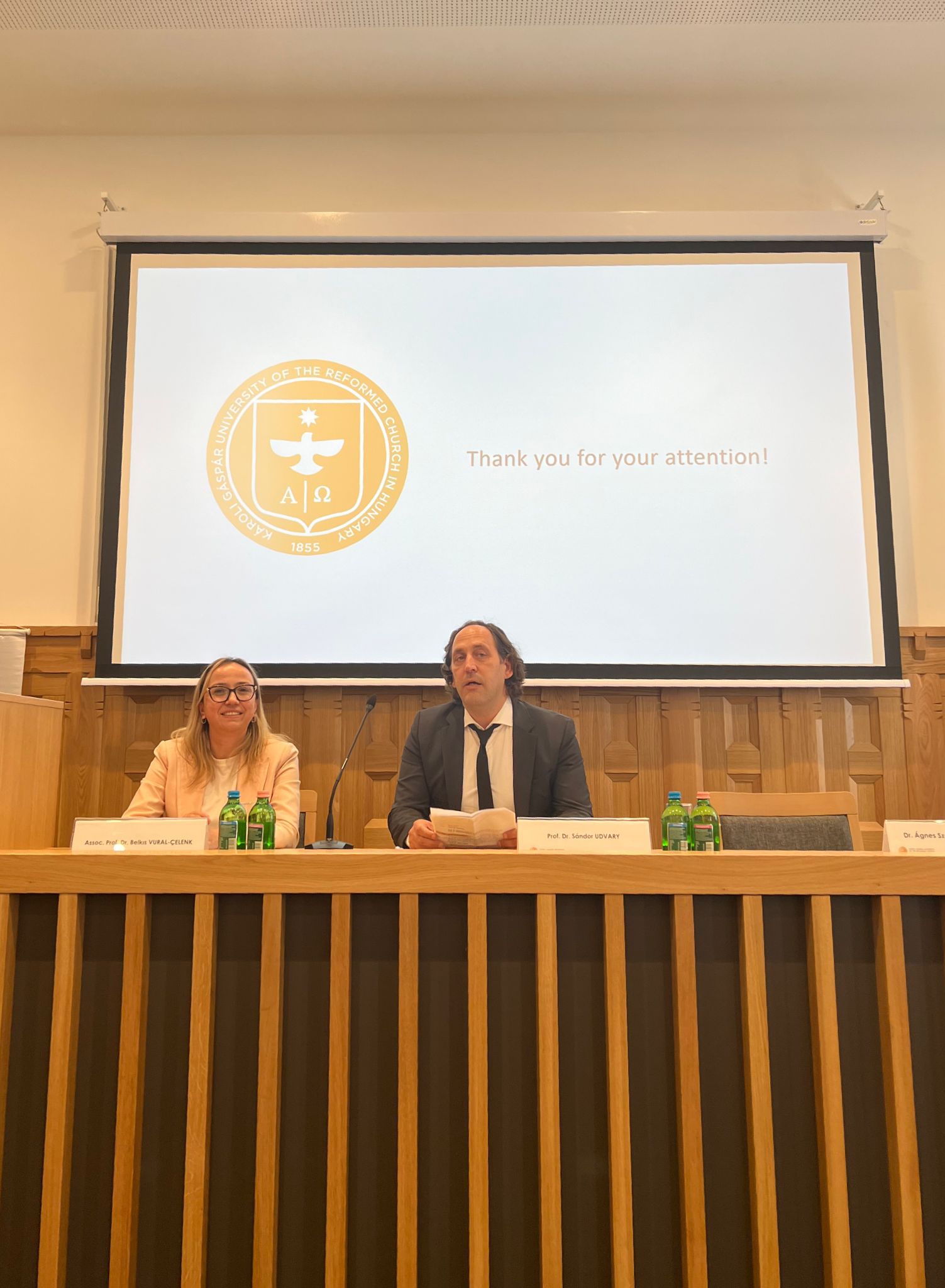
century. The closing remarks of the first day were delivered by Prof. Dr. Sándor Udvary and Assoc. Prof.
Dr. Belkıs Vural Çelenk.
On Friday, June 7, the symposium continued with sessions on liability law, energy law, immigration
law, and procedural law. In the first session of the day, Assoc. Prof. Dr. Belkıs Vural Çelenk chaired the
session in which Dr. Büşra Cömert Akbay evaluated the liability of social media influencers arising from
their advertising activities on social media, while Assoc. Prof. Dr. István János Molnár discussed the
tortious acts committed on the internet within the scope of the Rome II Regulation. In the same session,
Prof. Dr. Róbert Szuchy discussed the power plant projects built with artificial intelligence engineering
and the difficulties in determining liability in the event of defects in these projects.
In the following session, chaired by Prof. Dr. Sándor Udvary, Assistant Prof. Dr. Ekin Deniz Uzun
addressed Turkey's migration policy and border protection measures, while Assoc. Prof. Dr. Csaba
Pákozdi spoke on migration control in Europe and judicial decisions on this issue. The symposium
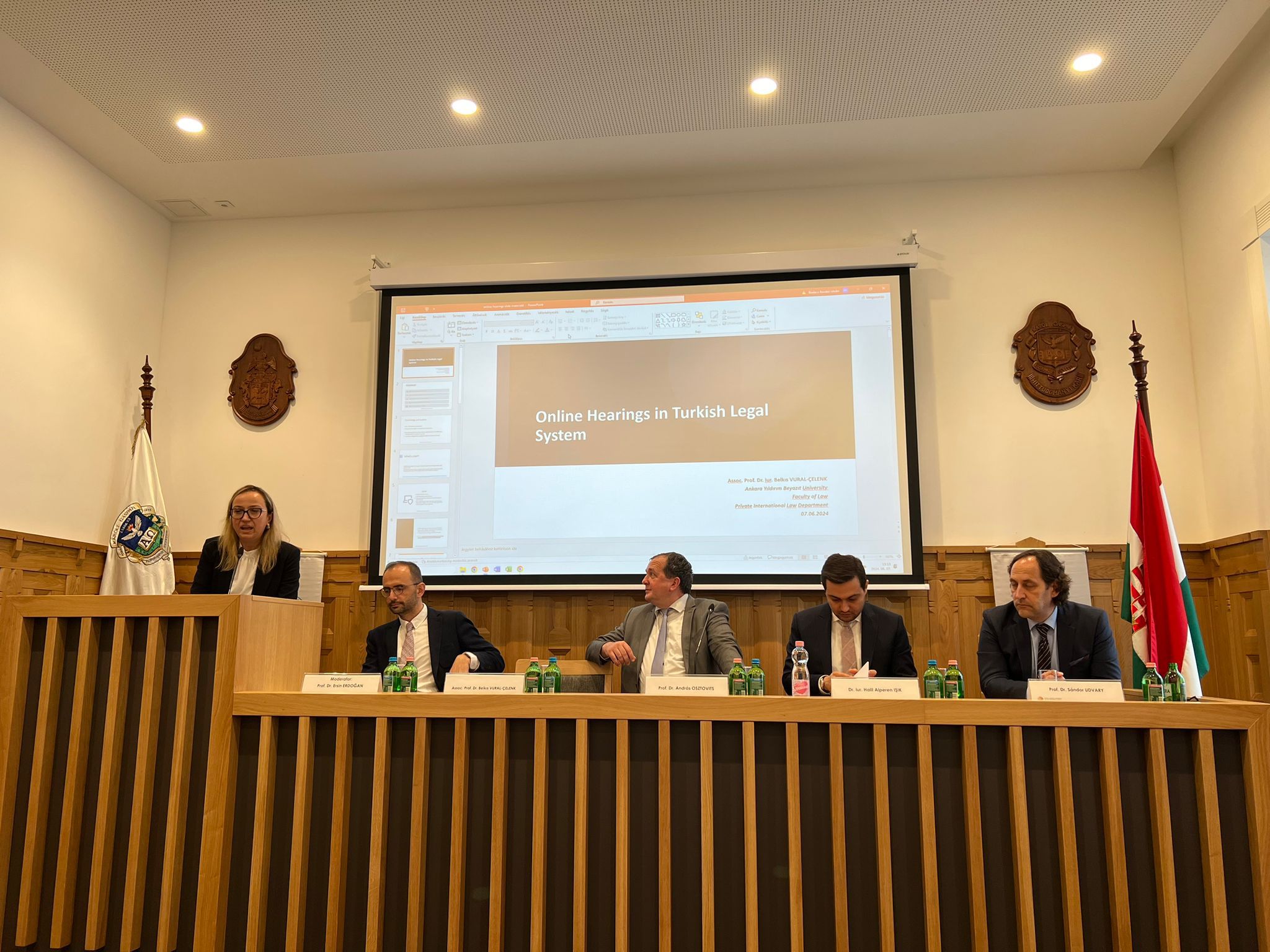
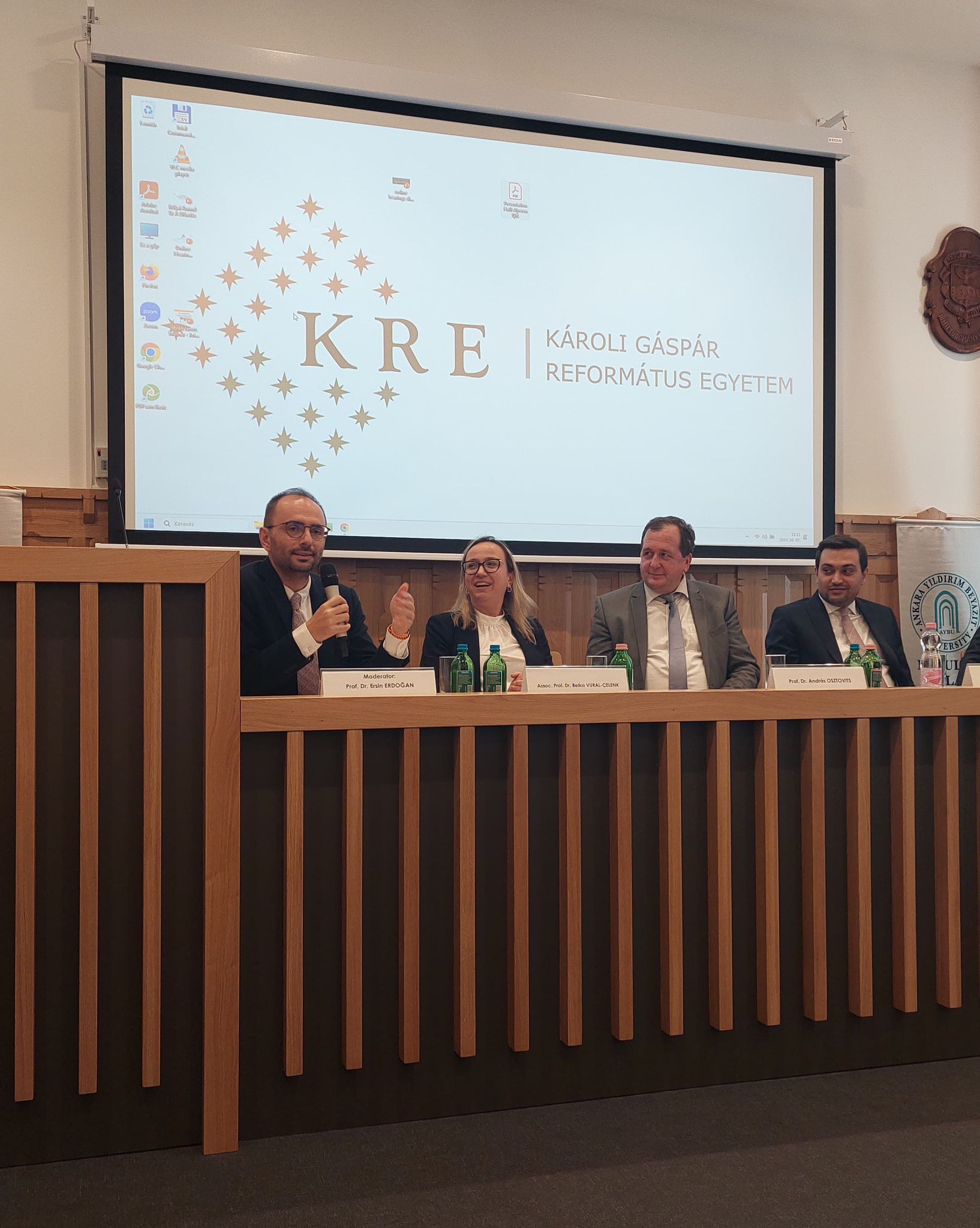
continued with the last session of the program, which was chaired by Prof. Dr. Ersin Erdoğan. In this
session, Assoc. Prof. Dr. Belkıs Vural Çelenk and Prof. Dr. András Osztovits discussed the hearings held
in an electronic environment and the problems experienced from the perspective of Turkish and
Hungarian law. Then, Dr. Halil Alperen Işık spoke on witness examination via video link in international
civil and commercial proceedings. Finally, Prof. Dr. Sándor Udvary's presentation on the risks of
corruption of audio-visual evidence or the production of fake evidence added a different perspective to
the existing discussions.
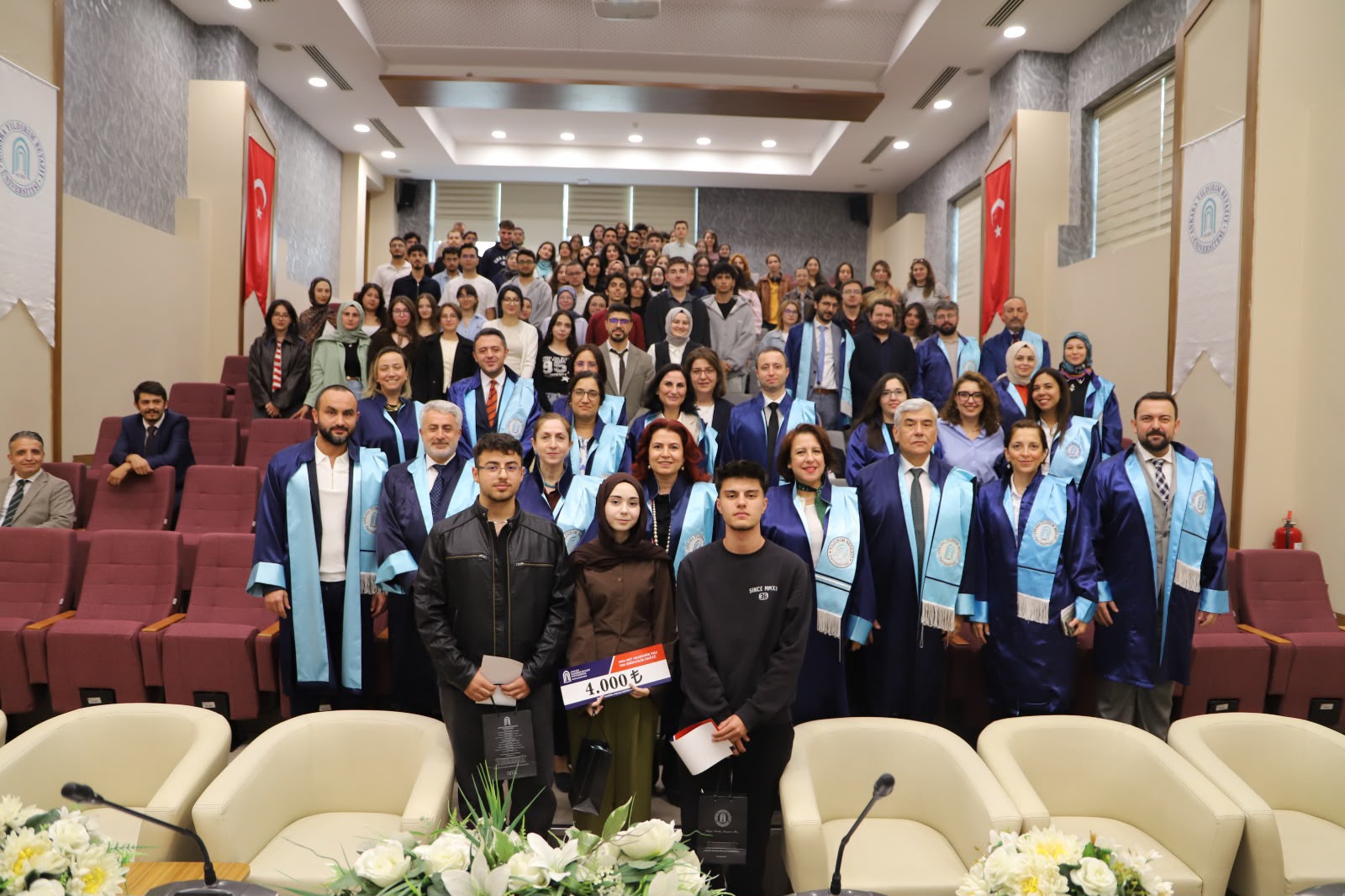
The day came to an end with closing speeches by Prof. Dr. András Osztovits and Prof. Dr. Ersin Erdoğan.
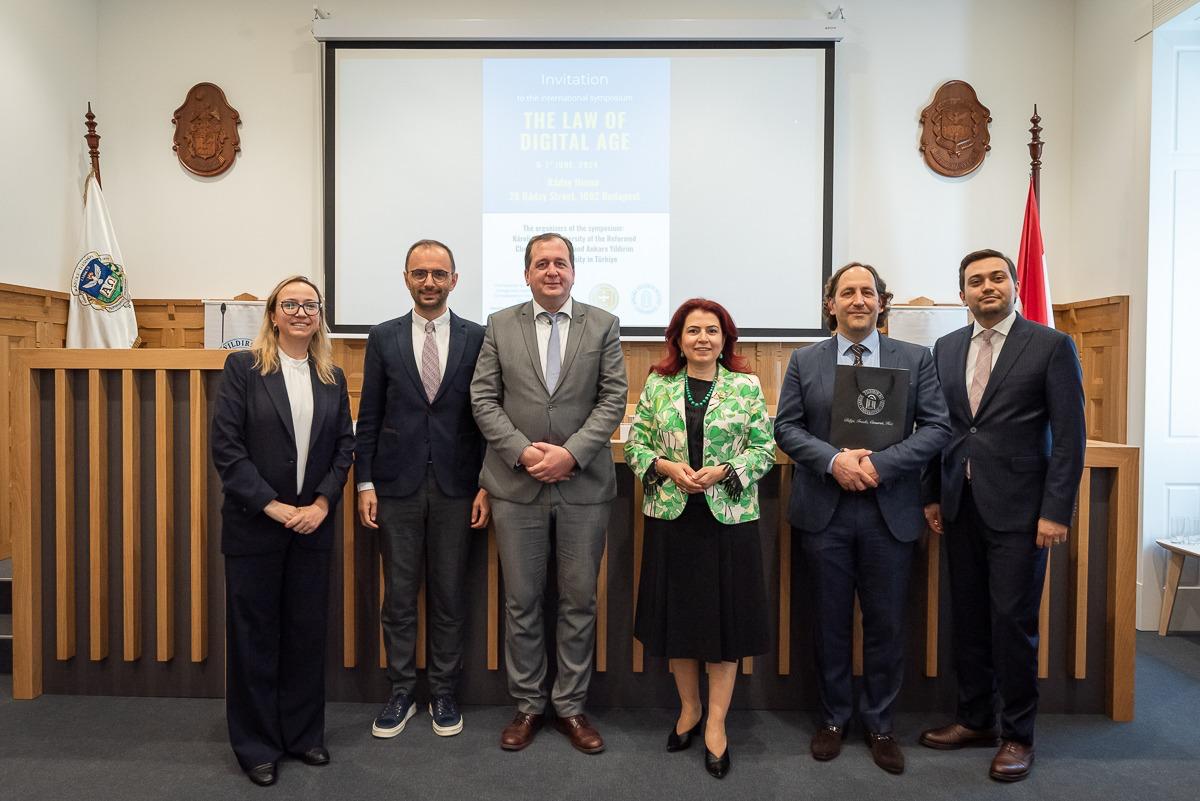
Our dean, Prof. Dr. Neslihan Karataş Durmuş, handed over gifts to Prof. Dr. Osztovits, who played an
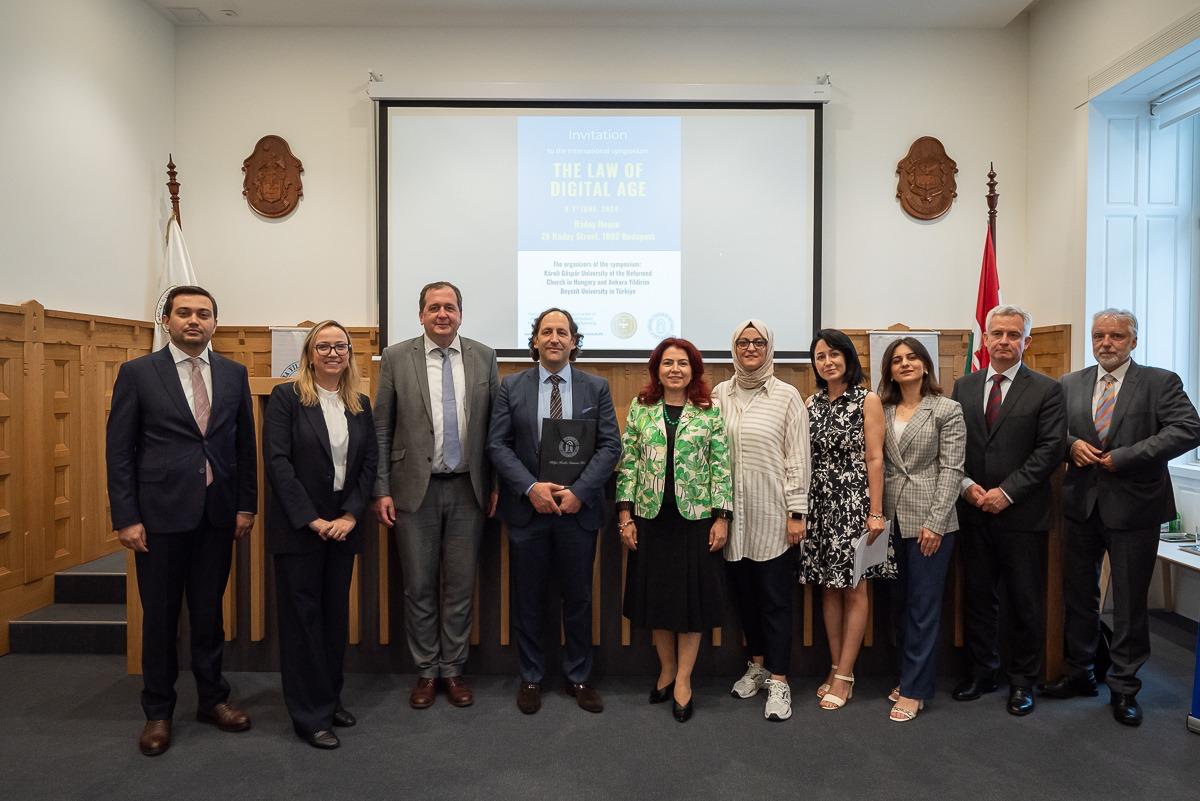
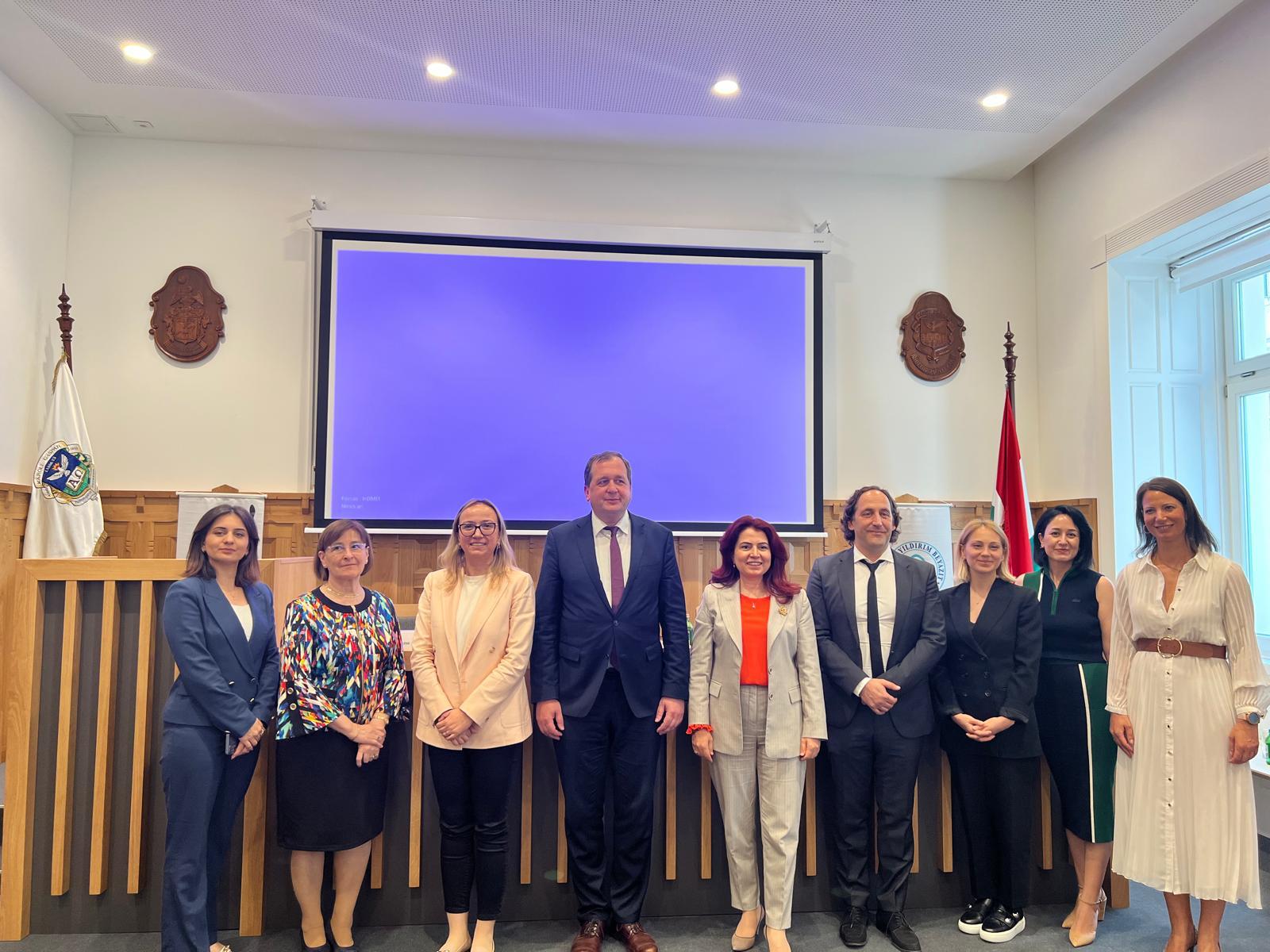
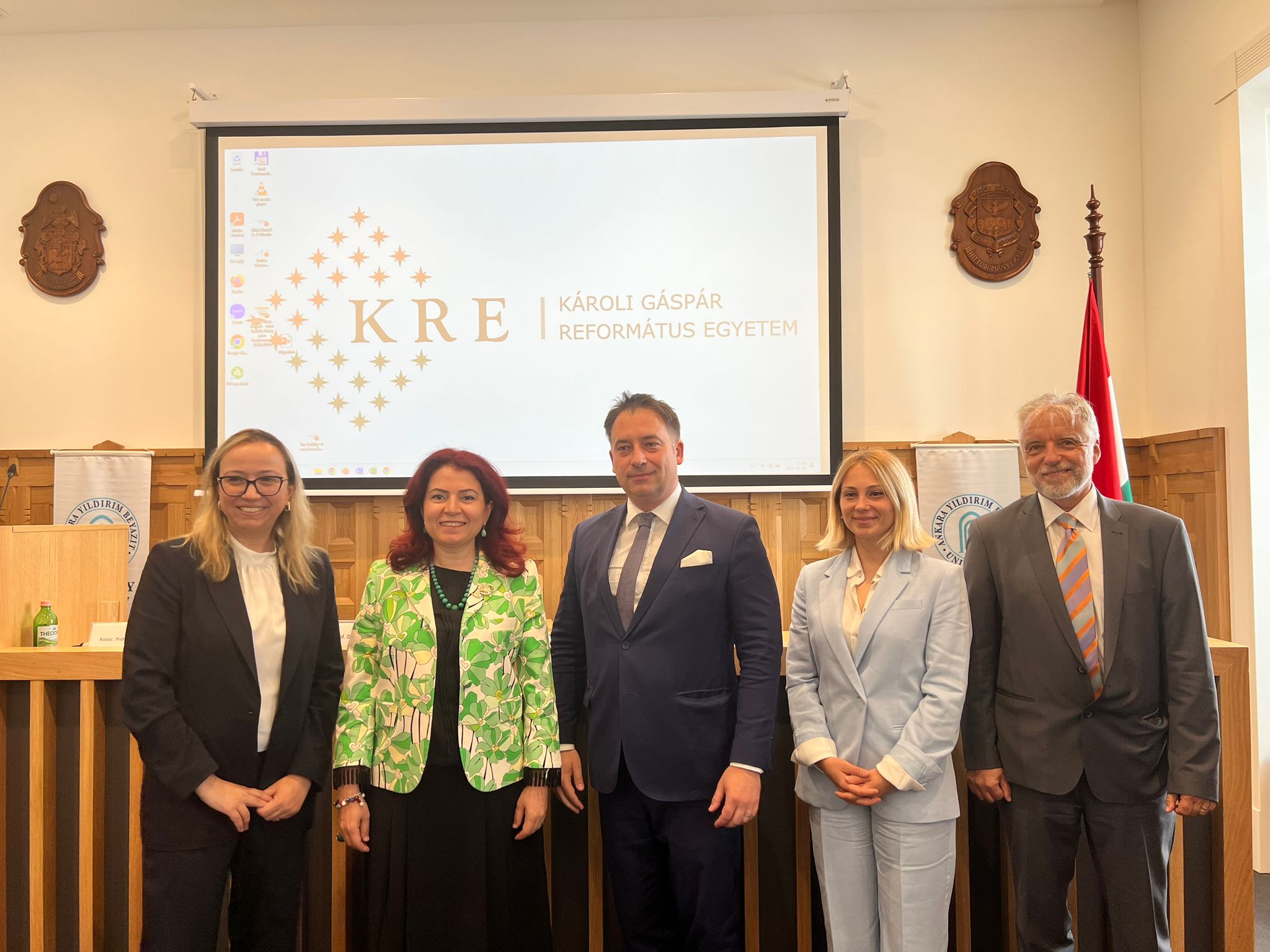
active role in the successful completion of the symposium. The symposium ended with a mutual
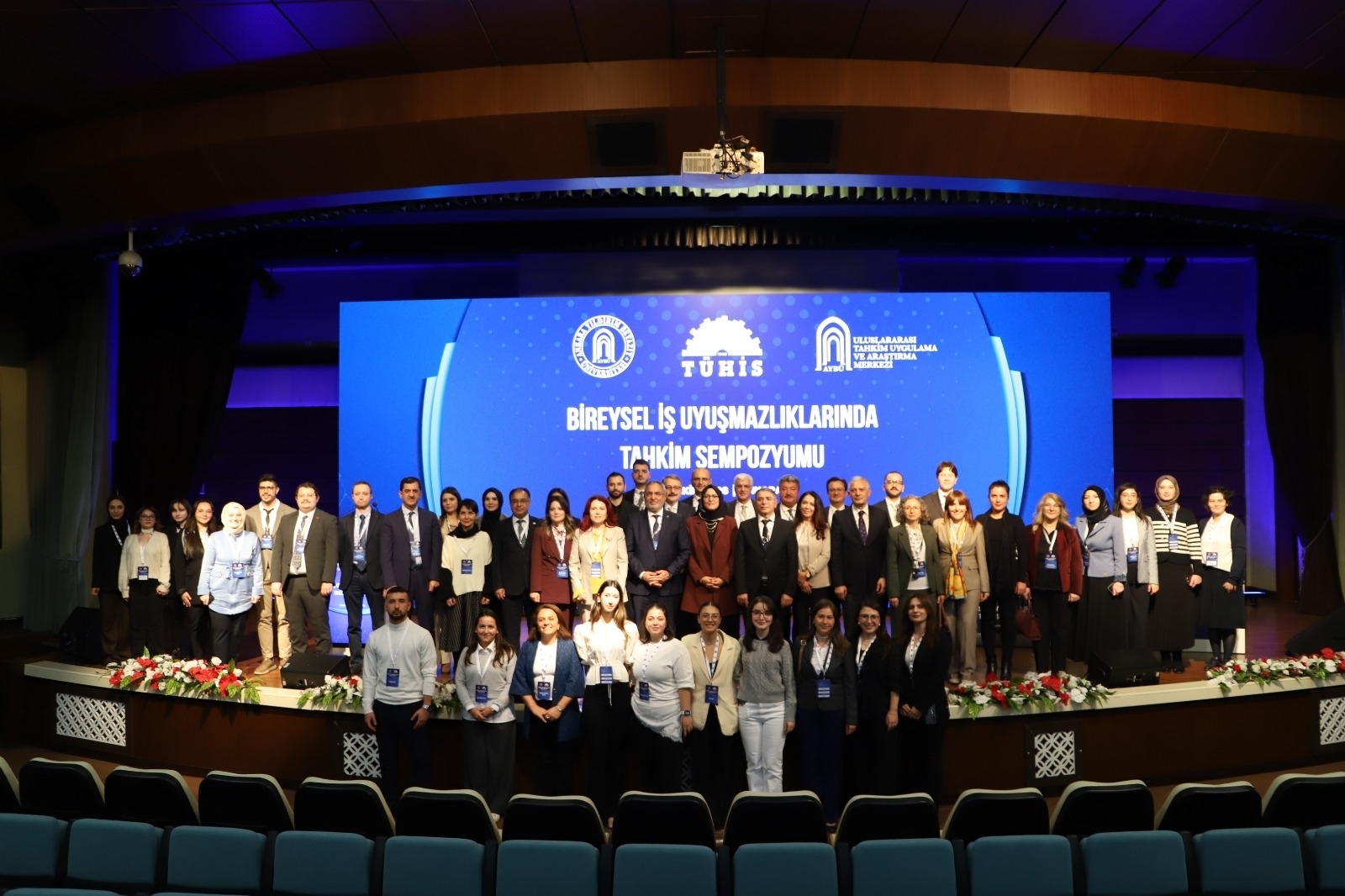
expression of the desire to continue collaboration in future academic activities and a commemorative
photo.