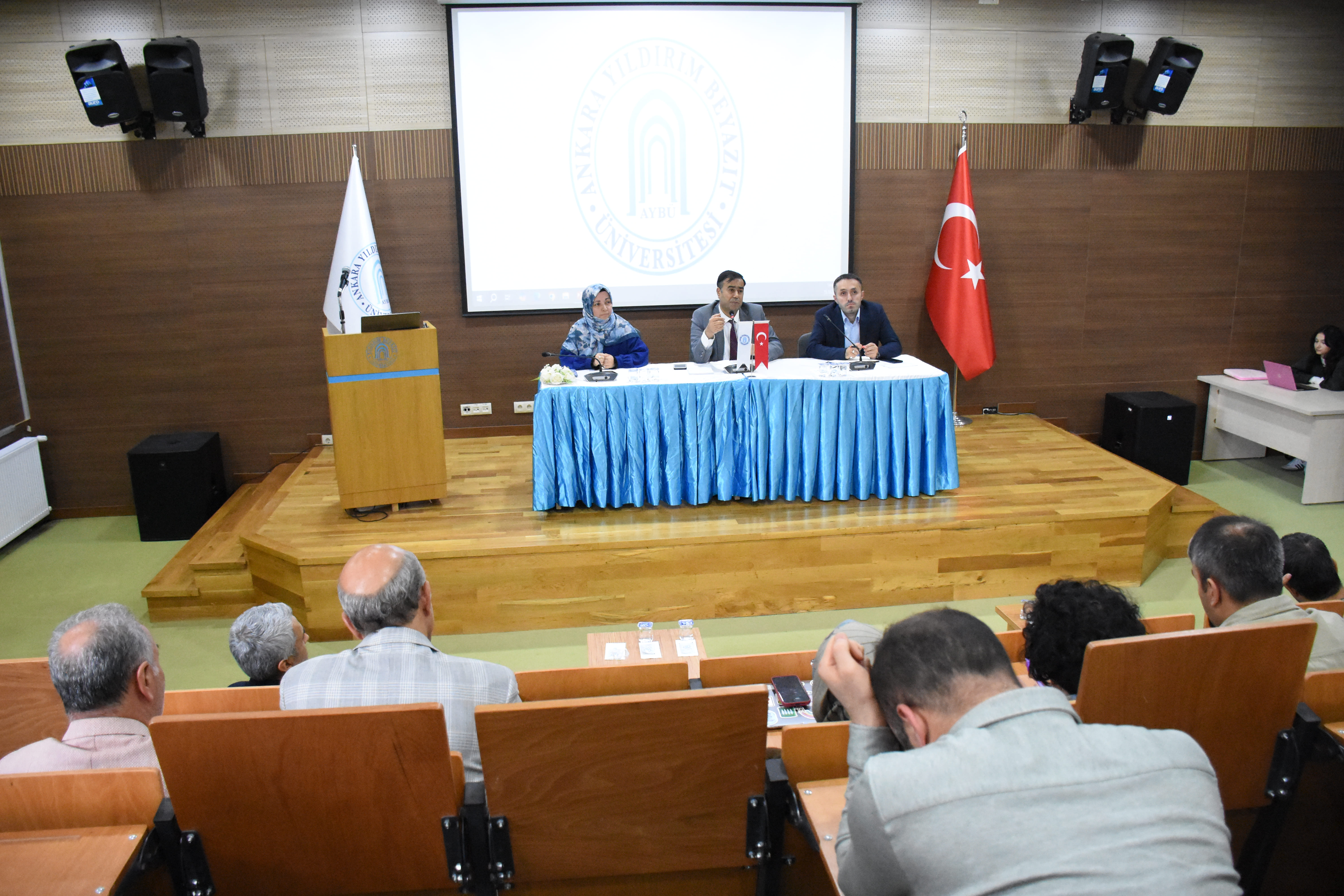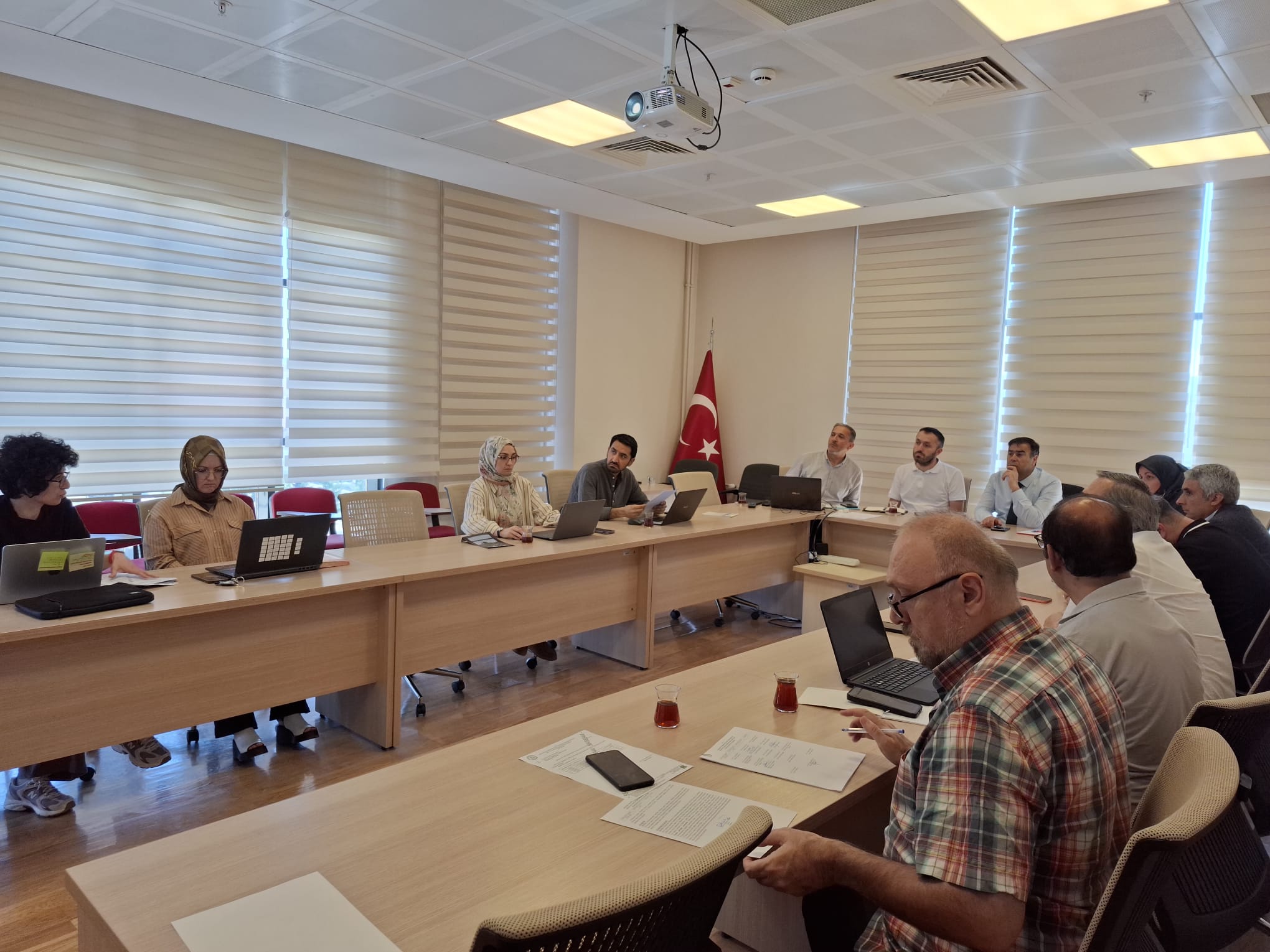

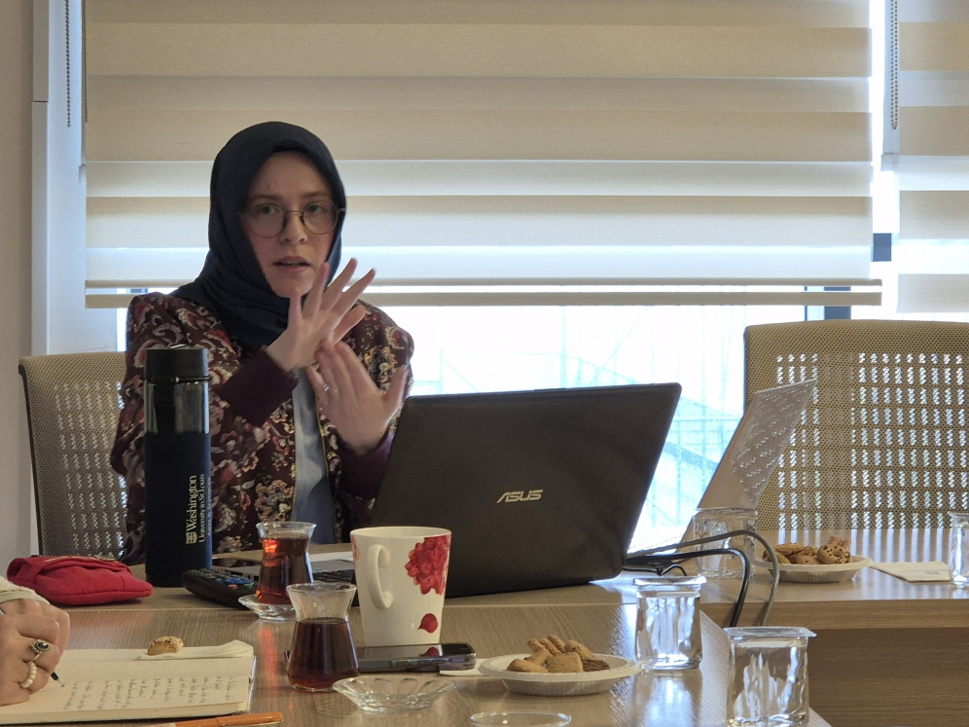
Kıyak reassessed Ibn Sīnā’s account of the soul–body relationship in light of modern criticisms of Cartesian dualism. The central question was whether an Avicennian theory could propose a non-Cartesian substance dualism capable of addressing contemporary debates such as mental causation, the pairing problem and the unity of consciousness.
Kıyak noted that Ibn Sīnā treats the soul as an independent substance that coordinates bodily functions without being identical to them, pointing to metaphysical foundations that set it apart from the Cartesian approach. The presentation argued that this approach grounds first-person awareness without an extended substance and explains soul–body interaction without a “ghost in the machine.” Emphasizing that Ibn Sīnā’s substance dualism can be read neither as a version of Aristotelian hylomorphism nor as a proto-Descartes, the talk maintained that a distinctive Avicennian substance dualism, able to engage with contemporary philosophy of mind, is possible.
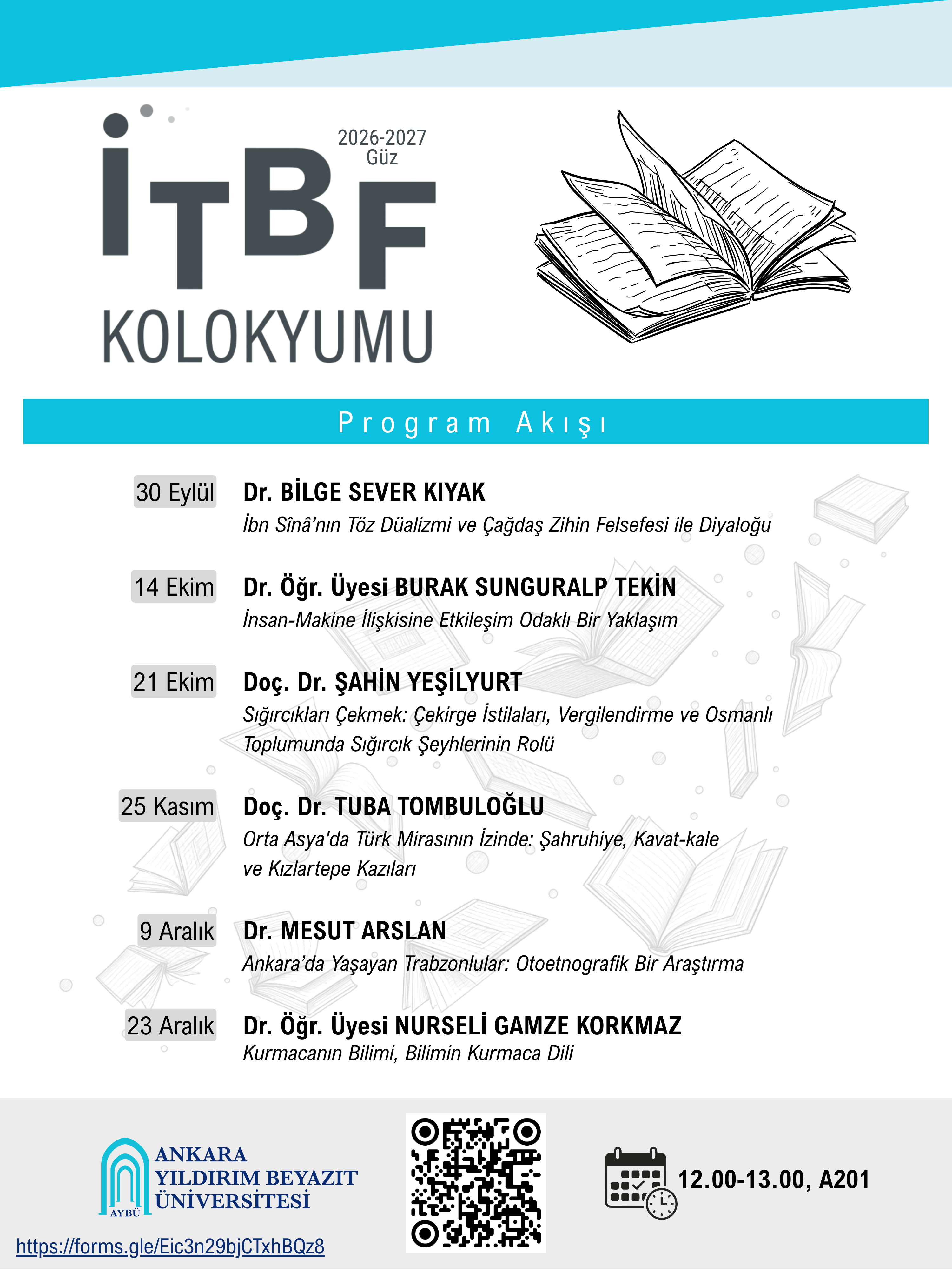
The second session of the Faculty Colloquium will take place on Wednesday, 14 October 2026, at the same time and in the same room. Assist. Prof. Dr. Burak Sunguralp Tekin of the Department of Translation and Interpreting will present a study titled “An Interaction-Oriented Approach to Human–Machine Relations.”