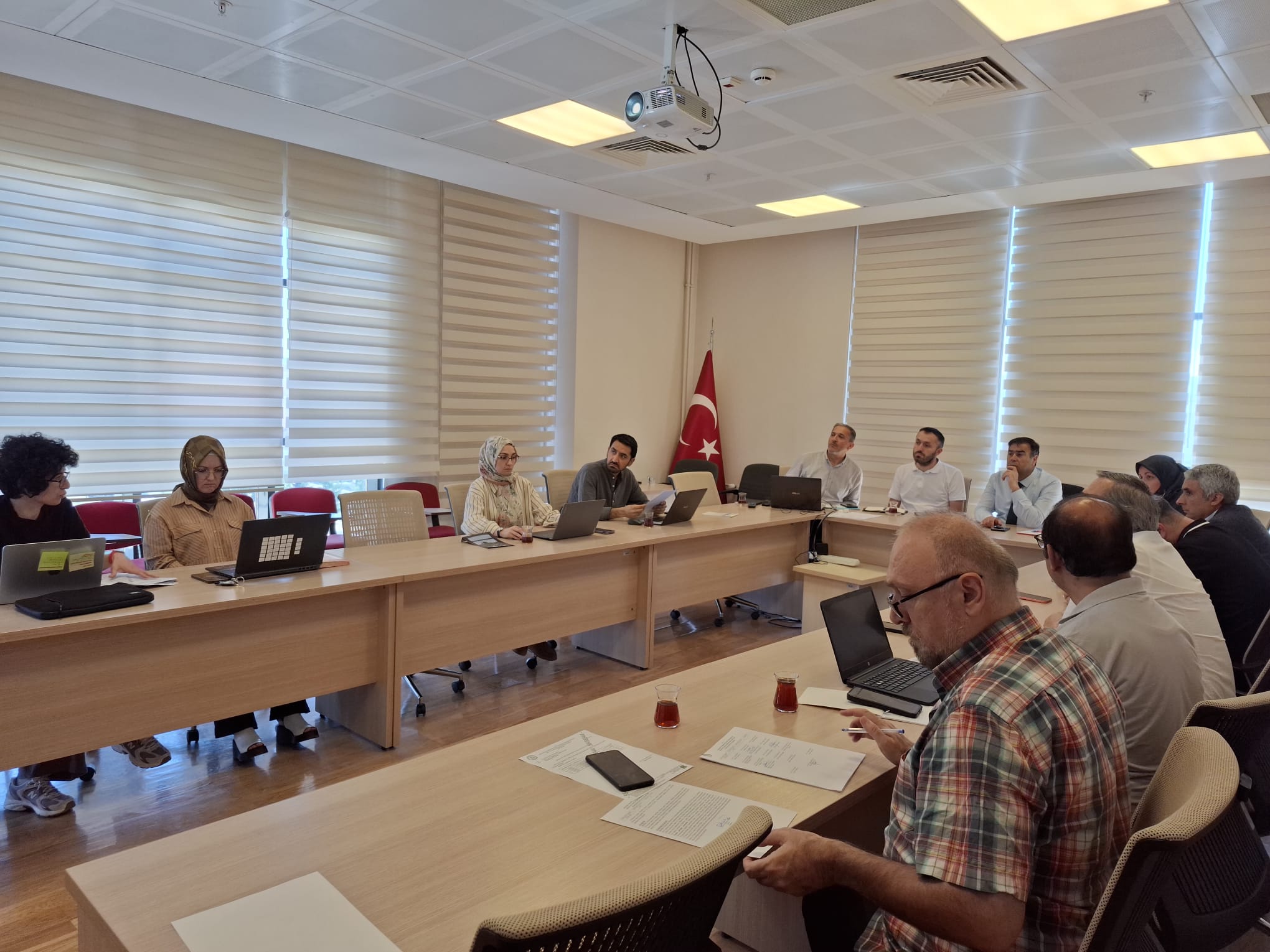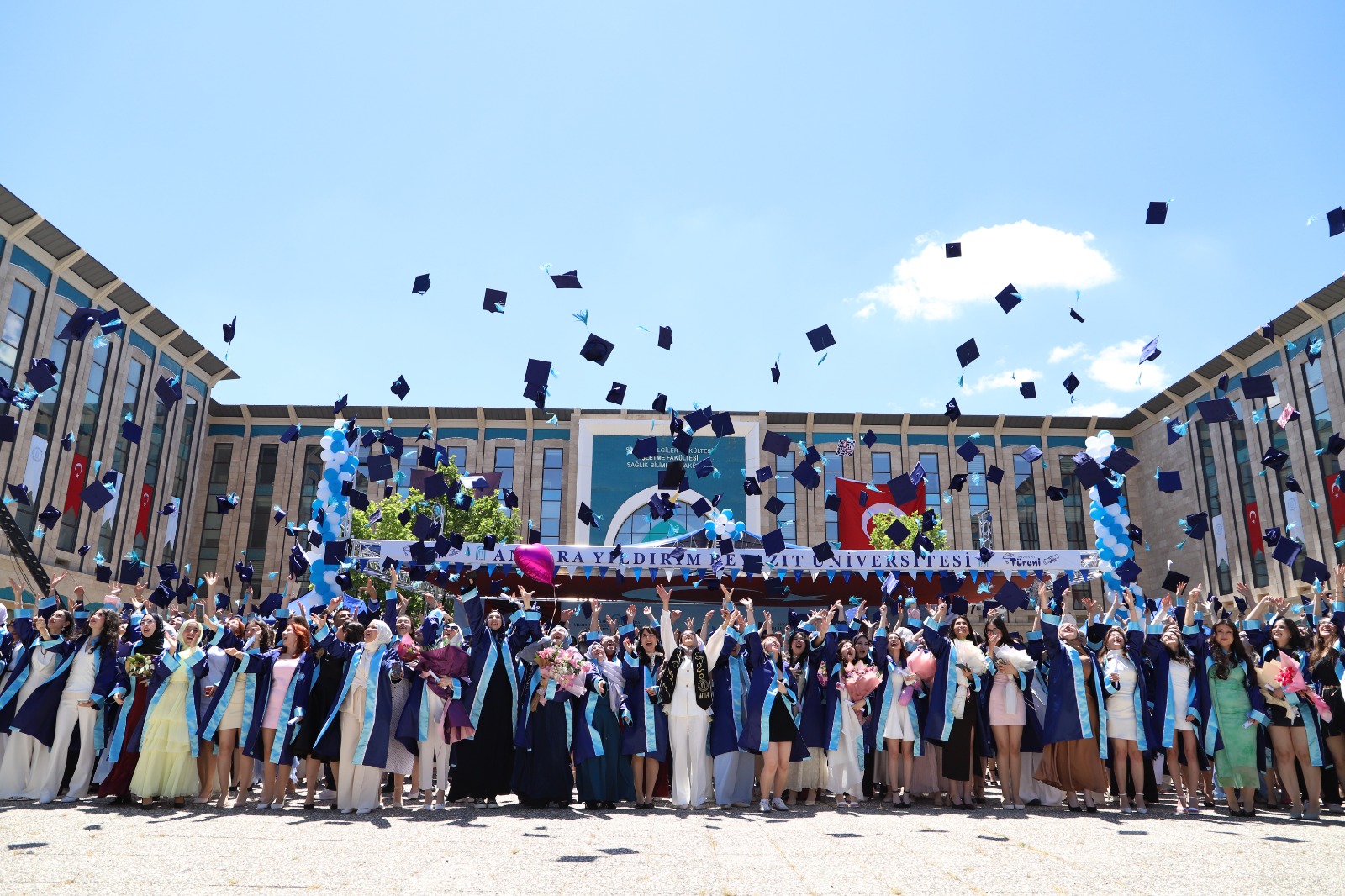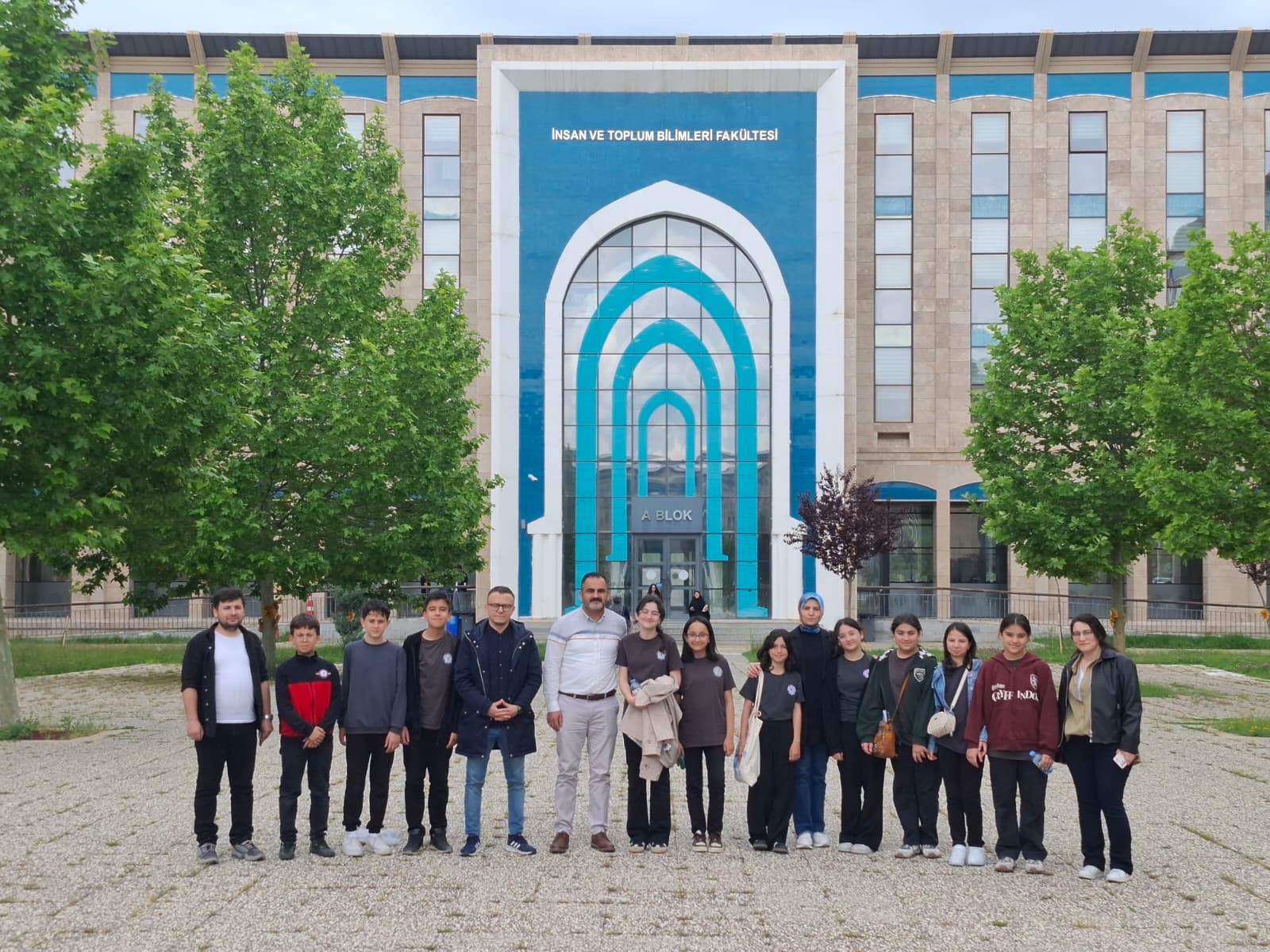


The program titled “The Significance of Kudüs” organized by the Faculty of Humanities and Social Sciences at Ankara Yıldırım Beyazıt University (AYBU), was held at the Esenboğa Campus, Block A, on Tuesday the 14th of October with the participation of academic staff, students, and guests.
The event began with the National Anthem and an opening ceremony, followed by the opening remarks of Assoc. Prof. Dr. Yahya Aydın, who served as the moderator of the program. In his speech, Dr. Aydın emphasized the importance of Kudüs within Islamic civilization and throughout history, highlighting the value of such programs in raising awareness among young people.
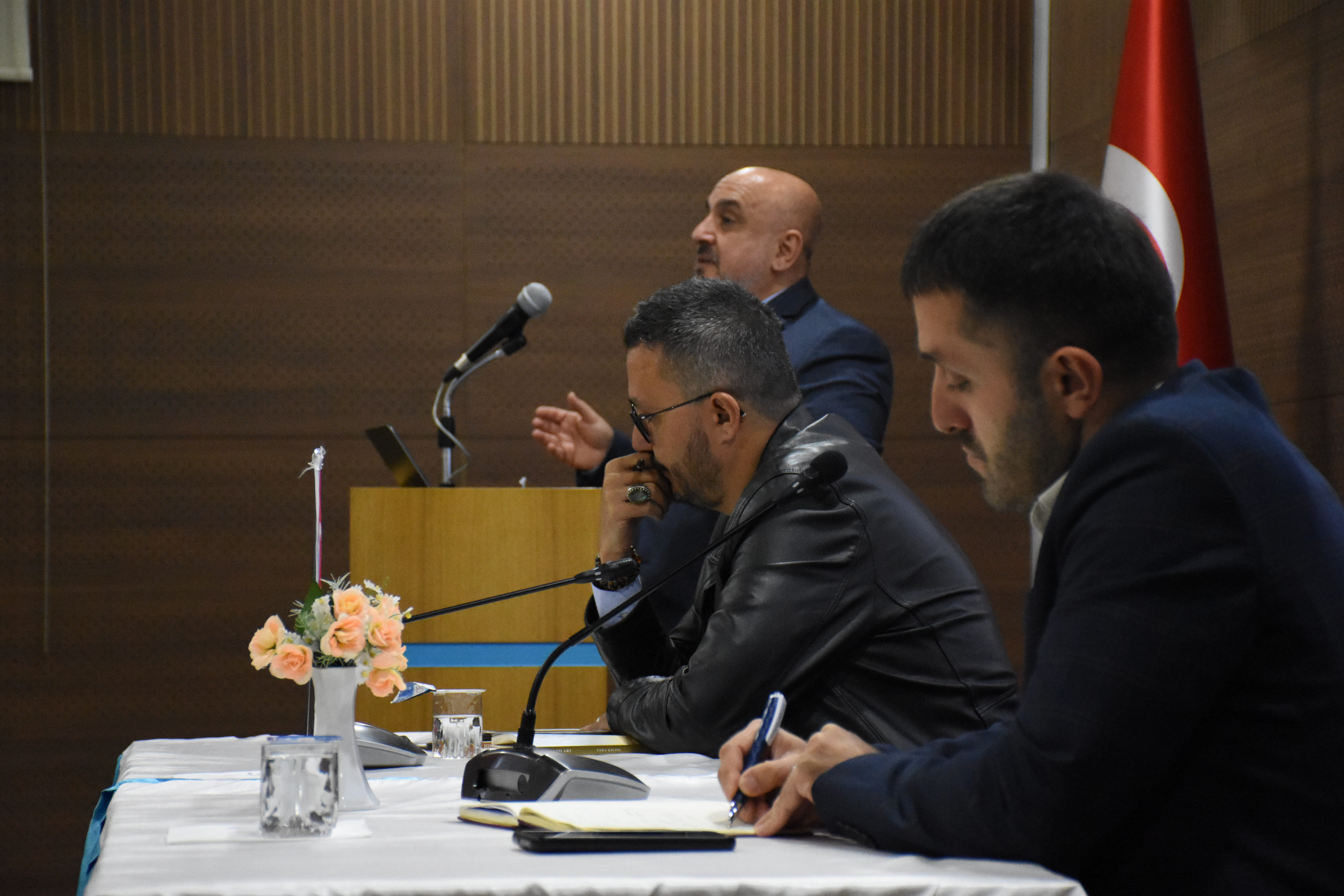
The first speaker of the program, Assoc. Prof. Dr. Murat Çelik from AYBU’s Department of History of Science, presented an overview of Kudüs’s historical background. Dr. Çelik discussed the deep-rooted relationship between the Turkish states—from the Mamluks to the Ottomans—and the city of Kudüs, explaining its spiritual and strategic significance for the Islamic world.
He also touched upon the historical connection between the region where Esenboğa Campus is located and the city of Kudüs, stating:
“Mecca and Medina are sacred cities for Muslims. Mecca is home to the Kaaba, while Medina hosts the blessed tomb of the Prophet Muhammad (peace be upon him). For this reason, Islamic states have long allocated a significant portion of their revenues to the maintenance and development of these two holy cities. In the Ottoman era, the foundations established for this purpose were known as the Haremeyn Foundations. The income generated from these foundations was delivered to Mecca and Medina through the Surre Caravans. As in many other parts of the Ottoman Empire, the revenues of Balıkhisarı, which is now part of the Akyurt district of Ankara, were also included in these foundations.”
Dr. Çelik concluded his talk by reminding students of their responsibility to preserve historical awareness and sustain cultural heritage.
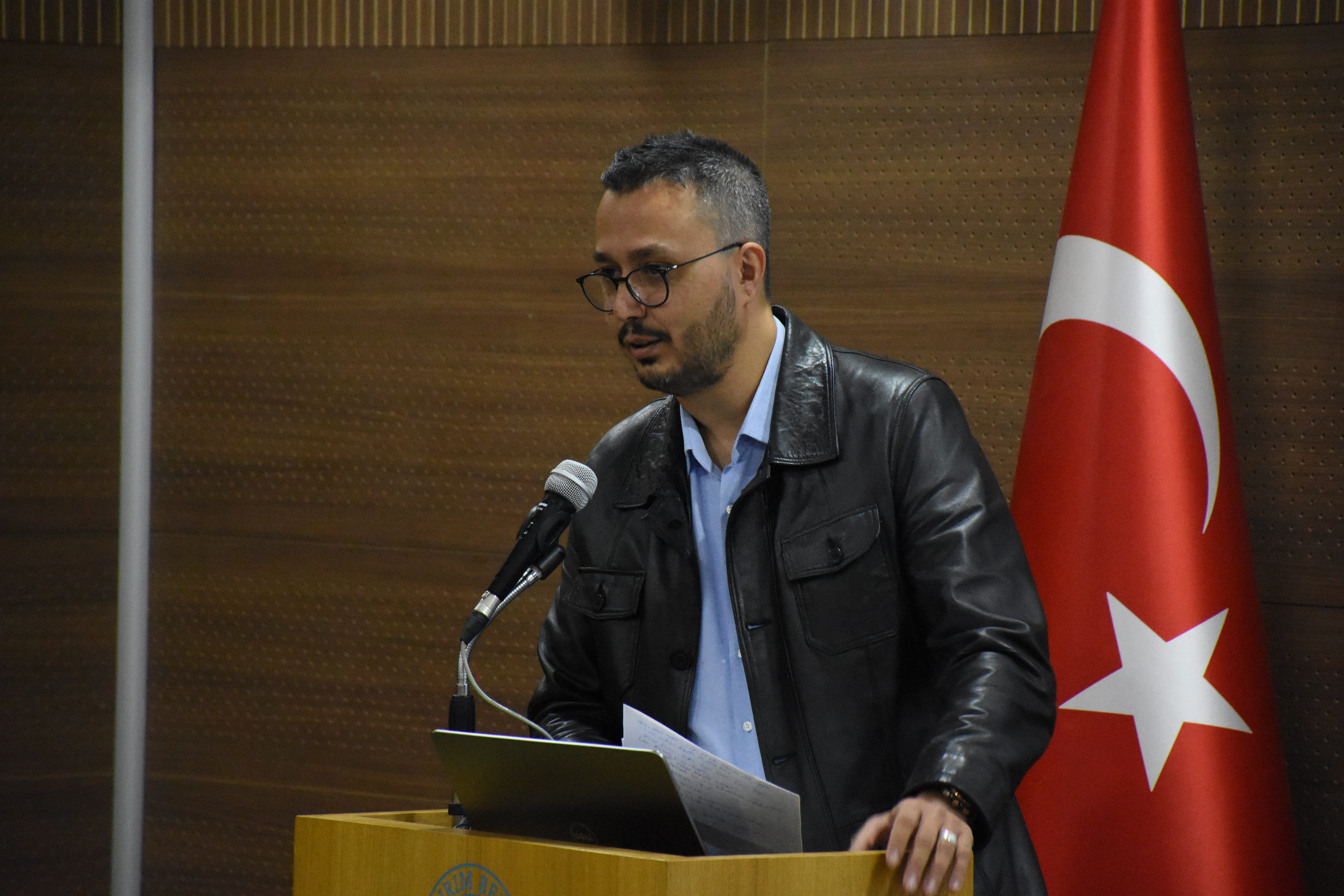
The second speaker, Prof. Dr. Muhammed Enes Kala, shared his observations from a recent visit to Kudüs, supporting his reflections with historical examples. Prof. Dr. Kala described Kudüs as “a city under occupation that still bears the scent of the Ottoman era”, emphasizing that the restoration of justice in Kudüs would symbolize peace and fairness for the entire world.
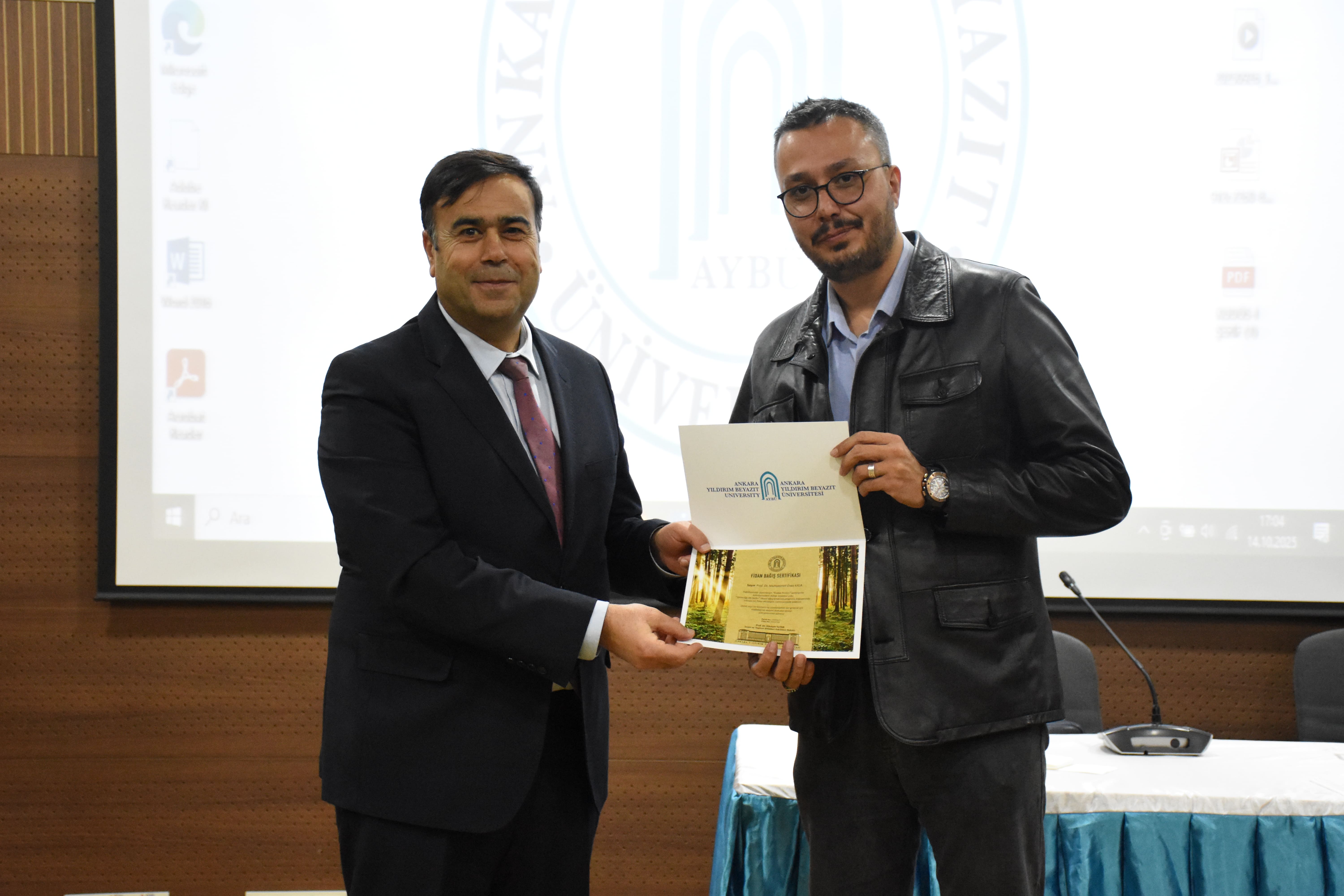
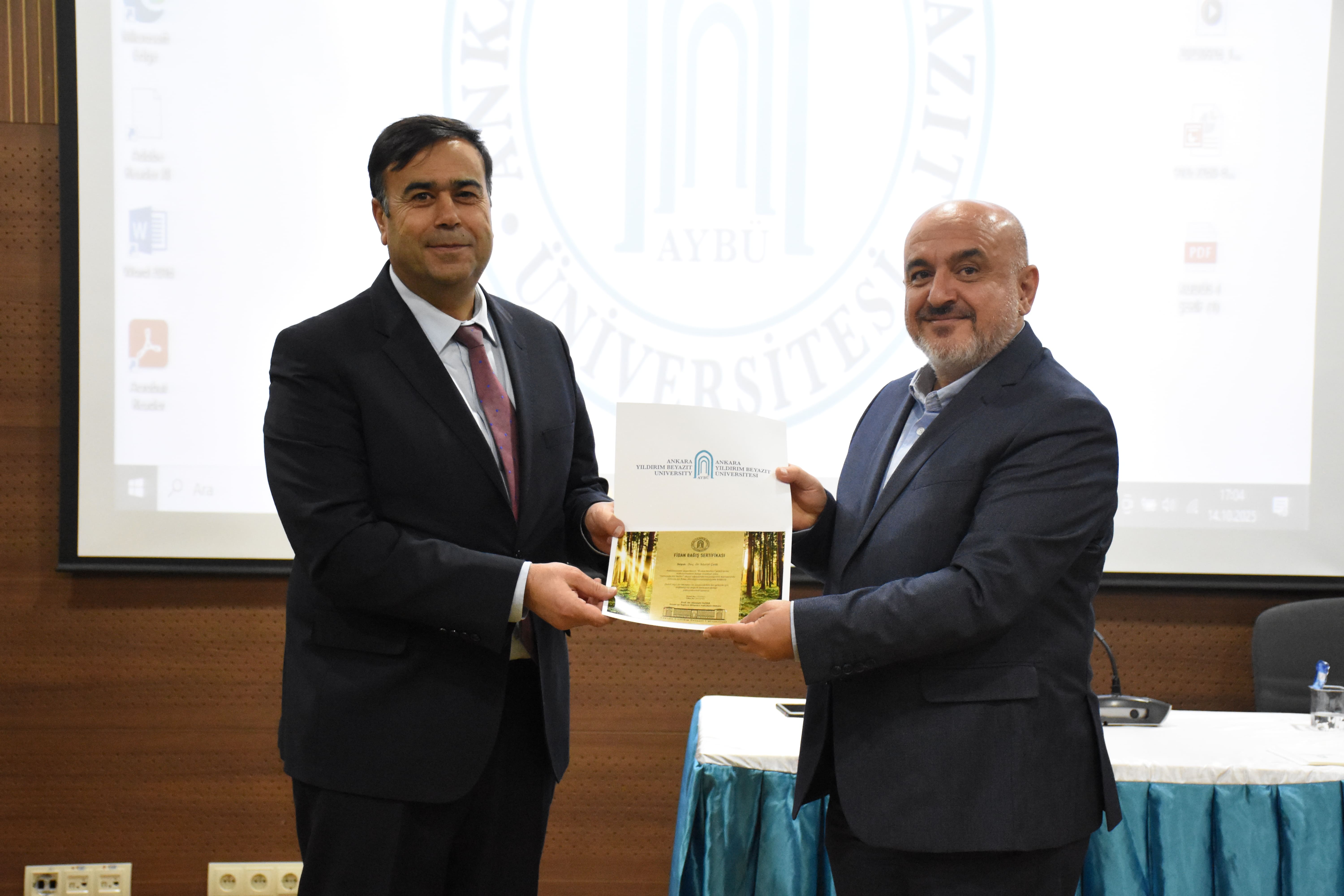
The program concluded with closing remarks by Vice Rector Prof. Dr. Hüseyin Tutar, who expressed his gratitude to the speakers and underlined the importance of such events in enhancing students’ historical consciousness and social awareness. At the end of the program, certificates of appreciation and gifts were presented to the speakers. The event concluded with expressions of thanks to all participants and best wishes for the program to broaden horizons and inspire new perspectives.