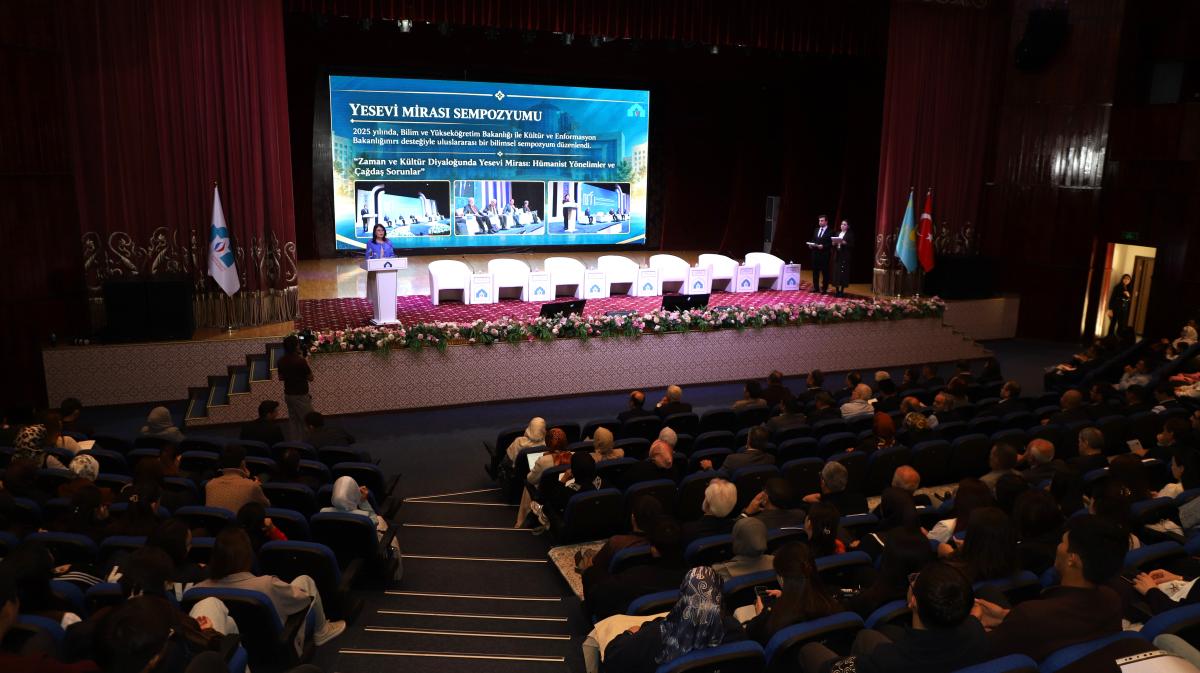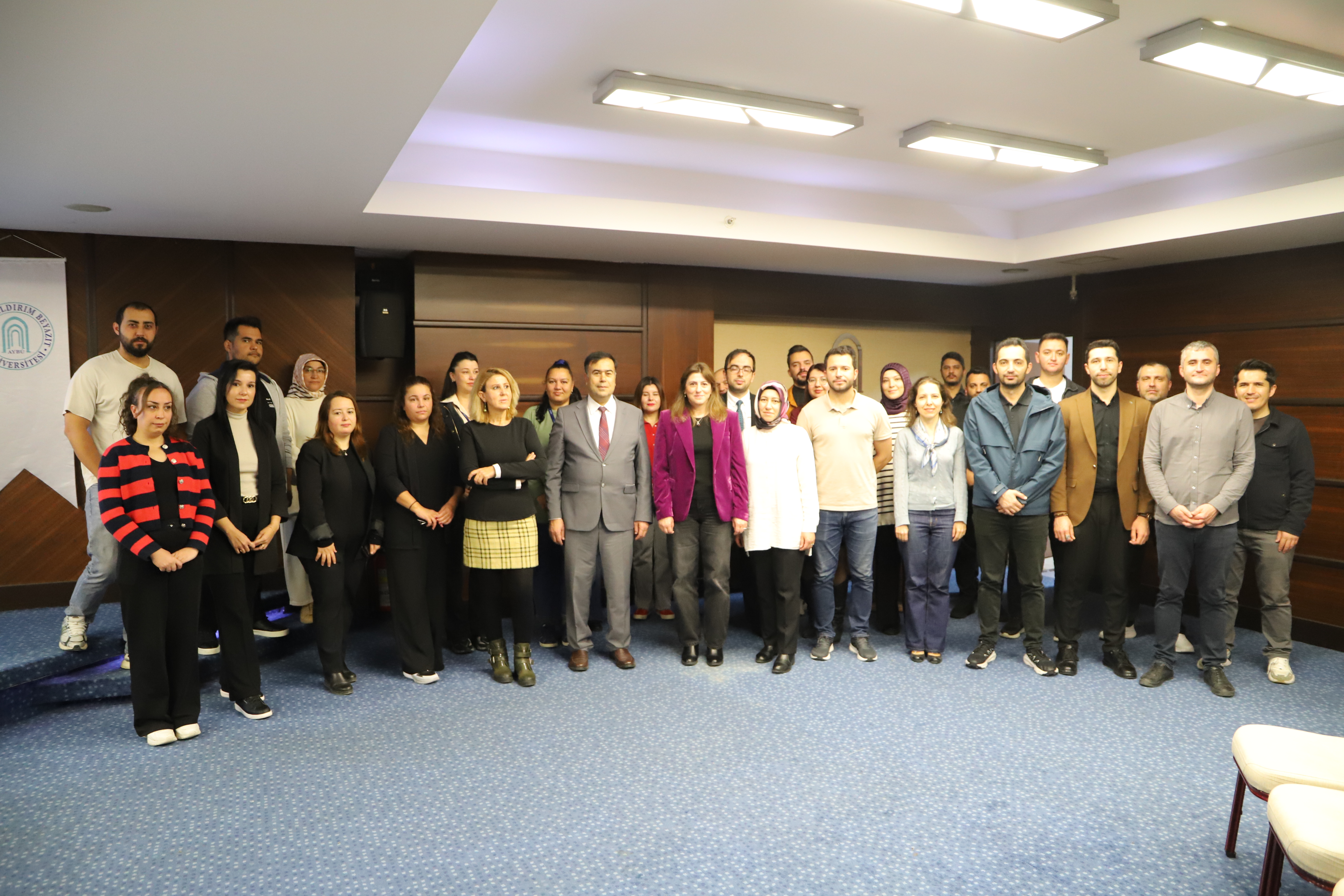


The panel titled "Blockade and Starvation in Gaza: A Silent Mechanism of Genocide" was held in the Grand Conference Hall of the AYBU National Will Campus by Ankara Yıldırım Beyazıt University, the Turkish Human Rights and Equality Institution (TİHEK), and the Ankara Palestine Solidarity Platform.
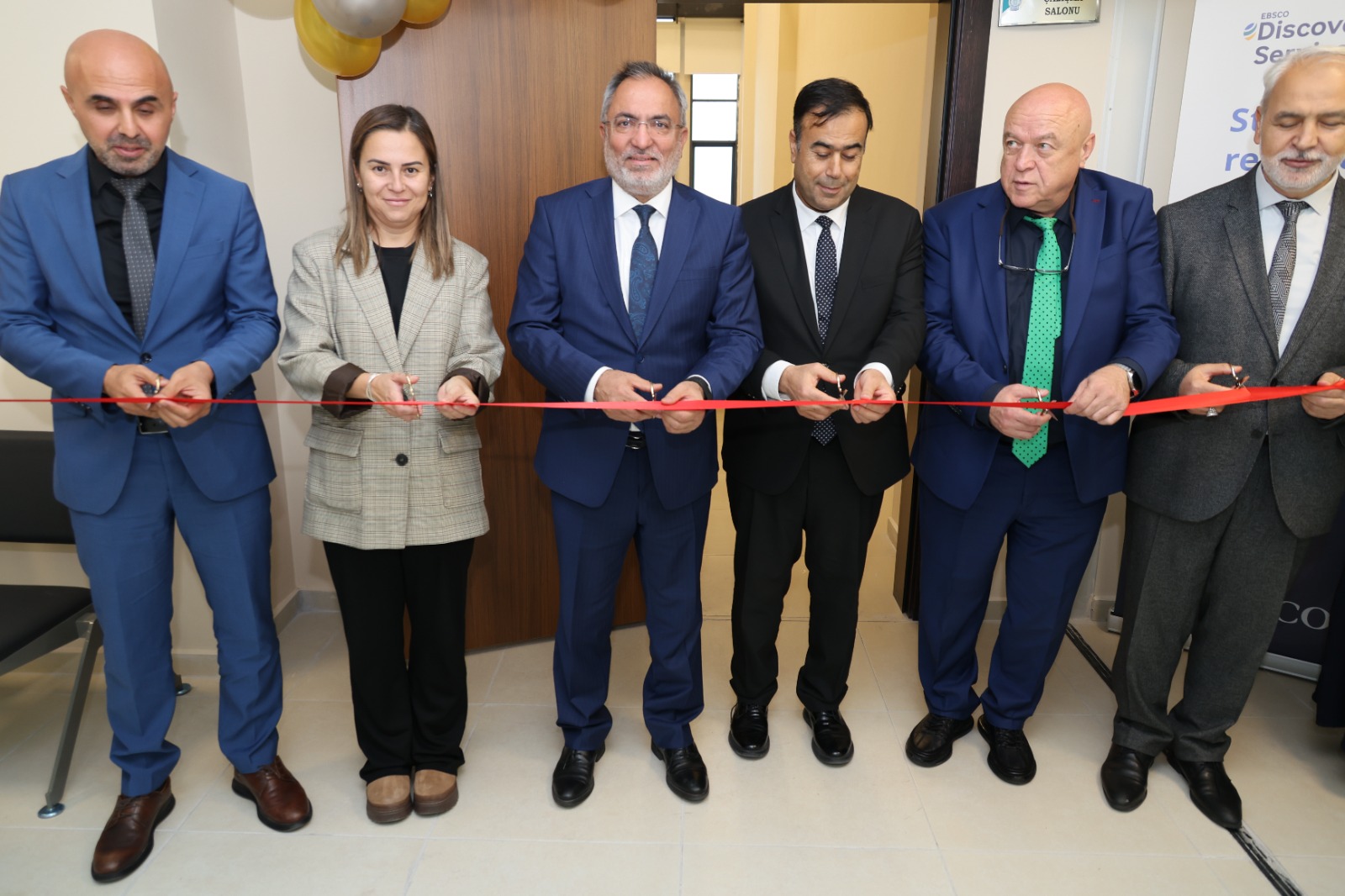
Prior to the program, TİHEK and Ankara Yıldırım Beyazıt University signed a cooperation protocol aimed at joint efforts in the areas of protecting and promoting human rights, combating discrimination, and preventing ill-treatment.
In the panel's opening remarks, TİHEK President Fahrettin Altun stated that they are united to give voice to the suppressed and silenced voices of the people of Gaza, to resoundingly voice the oppression they are subjected to, and to contribute to ending this oppression. Altun stated that we are facing an industry of oppression unprecedented in modern world history, saying, "While this oppression is directed at the people of Gaza and Palestine, its true target is humanity, human rights, and dignity. This industry of oppression recognizes no law. The blockade and starvation we are witnessing in Gaza are instruments of this industry of oppression. The primary goal of this industry of oppression operated by Israel is genocide."
Altun emphasized that TİHEK is striving to support the just cause of the people of Gaza and to end Israeli oppression. He added that they are working with international institutions and calling on the 120 peer institutions within the Global Network of National Human Rights Institutions (GANHRI) to stand against the brutality and contribute to ending human rights violations in Gaza. Altun stated that they recorded the testimonies of witnesses in their published report, "Human Rights Violations in Palestine and the Gaza Genocide," and submitted these records to the International Criminal Court. He stated that they condemned the genocide in the strongest terms and that their struggle will continue until Palestine is free.
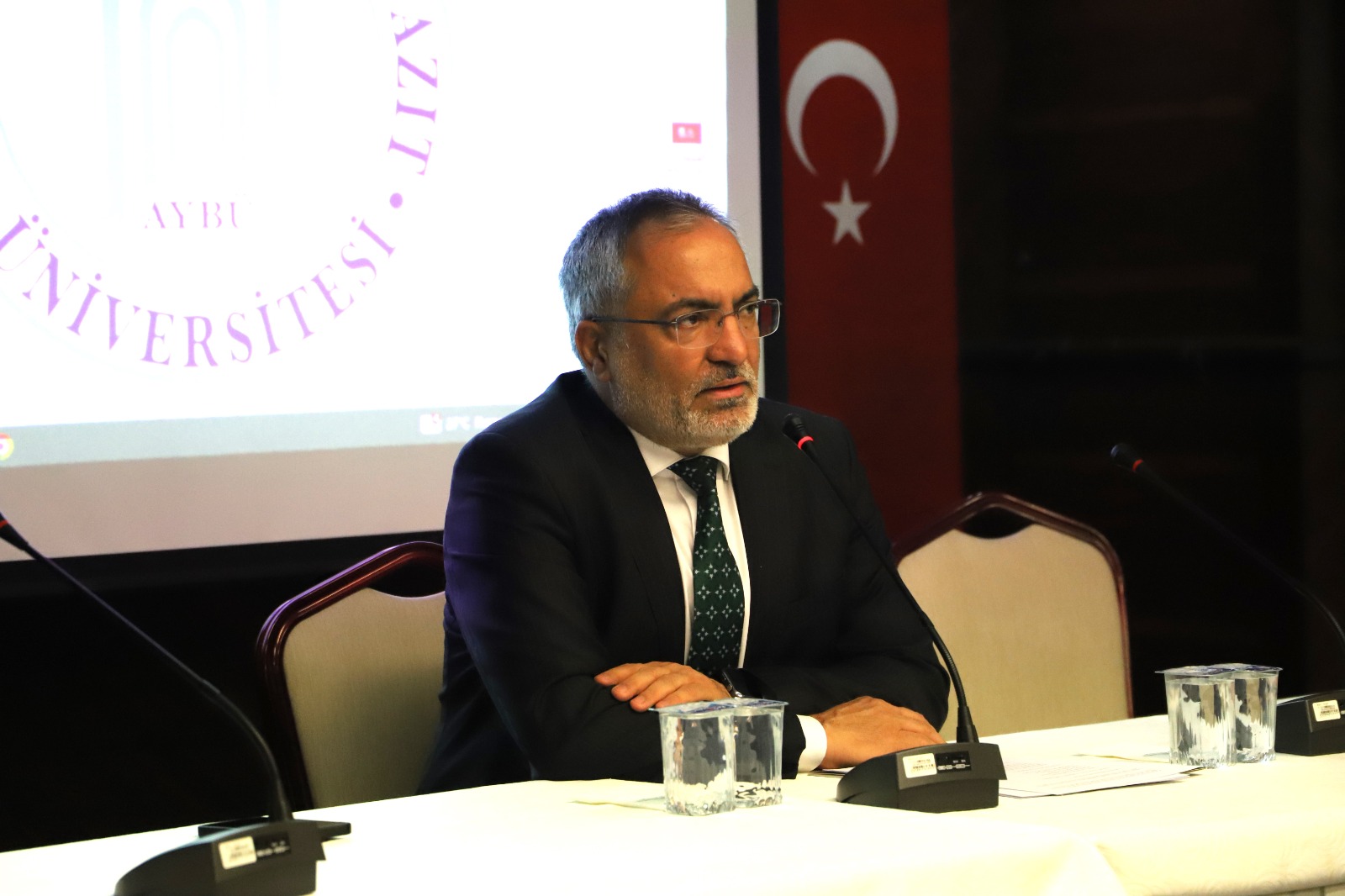
Ankara Yıldırım Beyazıt University Rector Prof. Dr. Ali Cengiz Köseoğlu emphasized that Gaza is experiencing one of the most severe humanitarian crises of modern times, and that this is not merely a regional crisis, but a global challenge. Stating that universities are not merely institutions that provide technical knowledge and professional training, Köseoğlu stated, "The principle of academic neutrality cannot be used as an excuse to ignore or legitimize the atrocities taking place. Remaining silent while a clear genocidal mechanism is at work is not impartiality, but complicity in the crime."
Köseoğlu, stating that they refuse to remain silent against the genocide in Gaza, said, "What is happening is not accidental or the natural course of war. Starvation is being used as a deliberate political tool, a weapon of war. The deprivation of people of their most basic life resources is clearly defined in international law. This is an act of genocide that contains an element of intent."
Following the opening remarks, the panel "Blockade and Starvation in Gaza: A Silently Operating Mechanism of Genocide" was held, moderated by TİHEK Vice President Muhammet Ecevit Carti, with the participation of Dr. Ammar Al Dwaik, Director of the Palestine Independent Human Rights Commission; Yusuf Özhan, Editor-in-Chief and Deputy Director General of Anadolu Agency (AA); Şükrü Can, a member of the Red Crescent's Board of Directors and Deputy Secretary General; Hasan Bozdaş, a faculty member on the ANFİDAP Advisory Board; and Hasan Basri Bülbül, an associate professor at Boğaziçi University's Faculty of Law.
Speaking at the panel, moderated by TİHEK Vice President Muhammet Ecevit Carti, Ammar Al-Dwaik, Director of the Palestine Independent Commission on Human Rights, stated that while rights-seeking institutions generally deal with the internal affairs of the countries in which they are based, TİHEK conducts work on Palestine.
Al-Dwaik recalled that two of the Palestinian Independent Commission on Human Rights' offices in Gaza were destroyed, emphasizing that some Commission members continued to fulfill their duties despite losing loved ones in Israeli attacks. Al-Dwaik noted that the Commission listened to more than a thousand victims and reported on human rights violations. He added that they shared these reports as part of the case filed with the International Criminal Court (ICC).
Al-Dwaik, stating that Gaza is being tested with hunger and denied access to medical care, said: "The genocide continues today and has reached a new stage. This is the stage of genocide denial. By denying the genocide, the perpetrators are being tried to avoid accountability. The victims of the genocide are denied the opportunity to heal, recover, and rebuild a life of security. At the same time, this denial serves to perpetuate and perpetuate the conditions created by the genocide."
Al-Dwaik recalled that the ICC had issued arrest warrants against Israeli officials, emphasizing that the problem lies not with the institutions themselves, but with the functioning of the system.