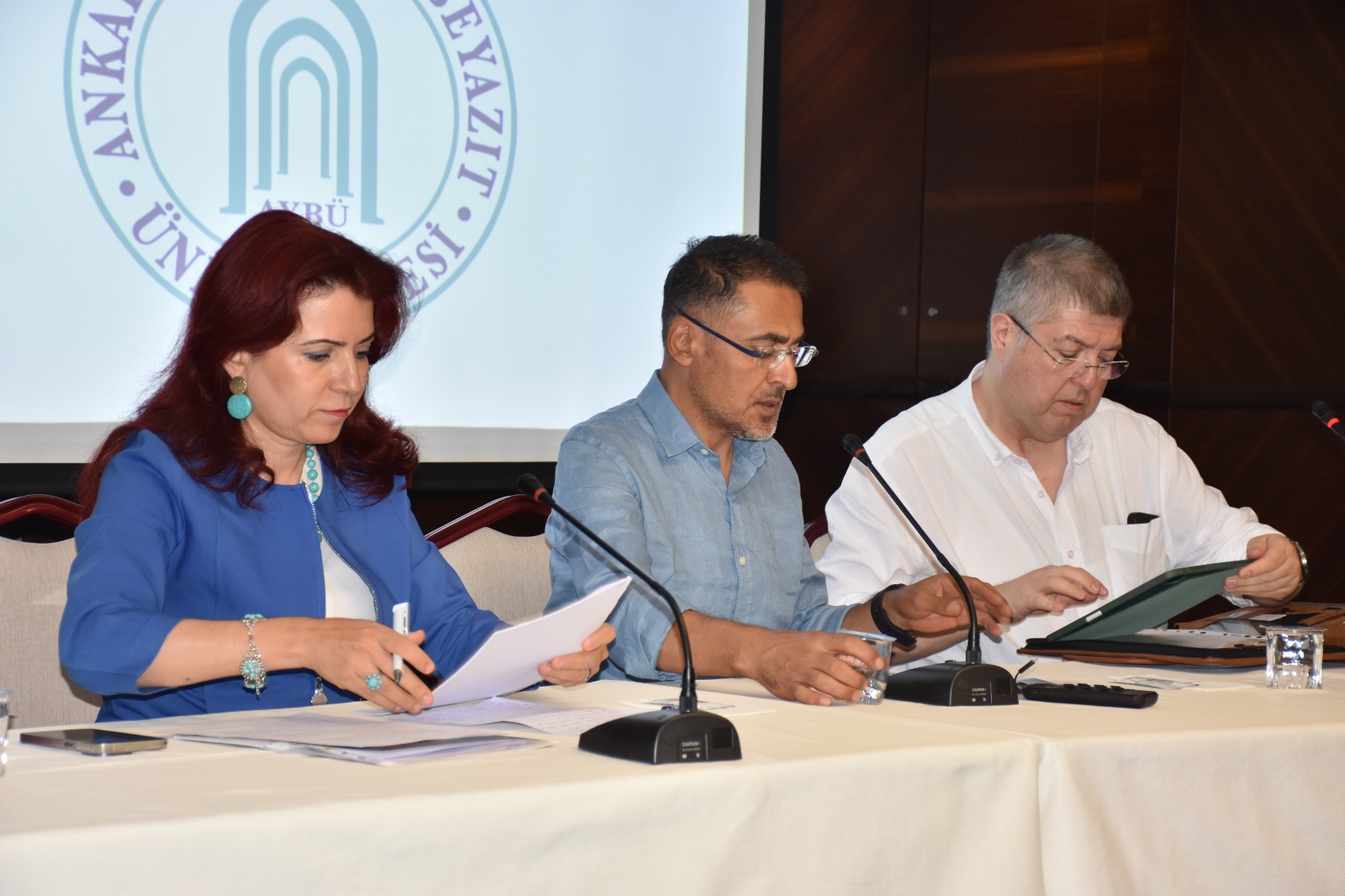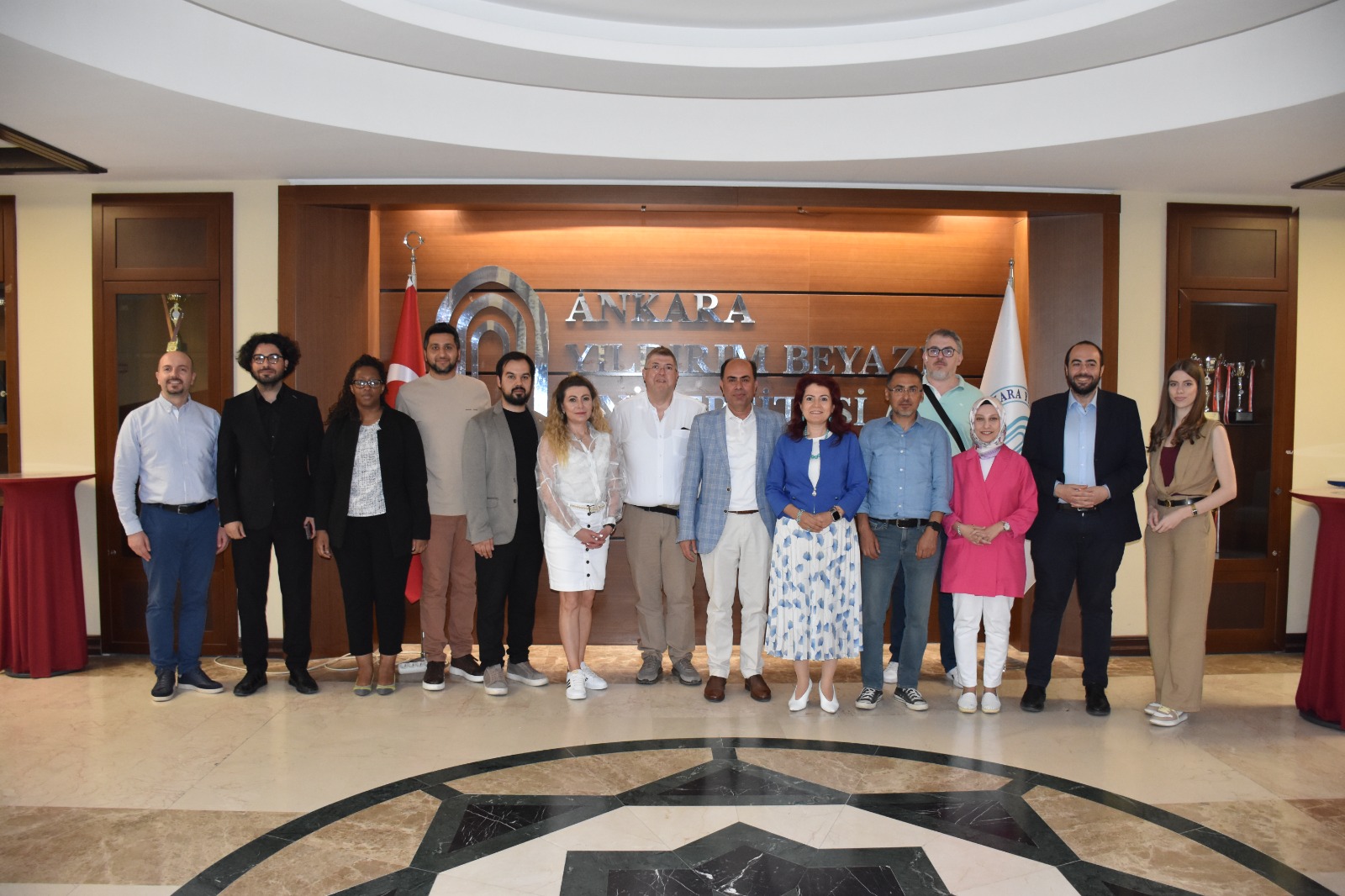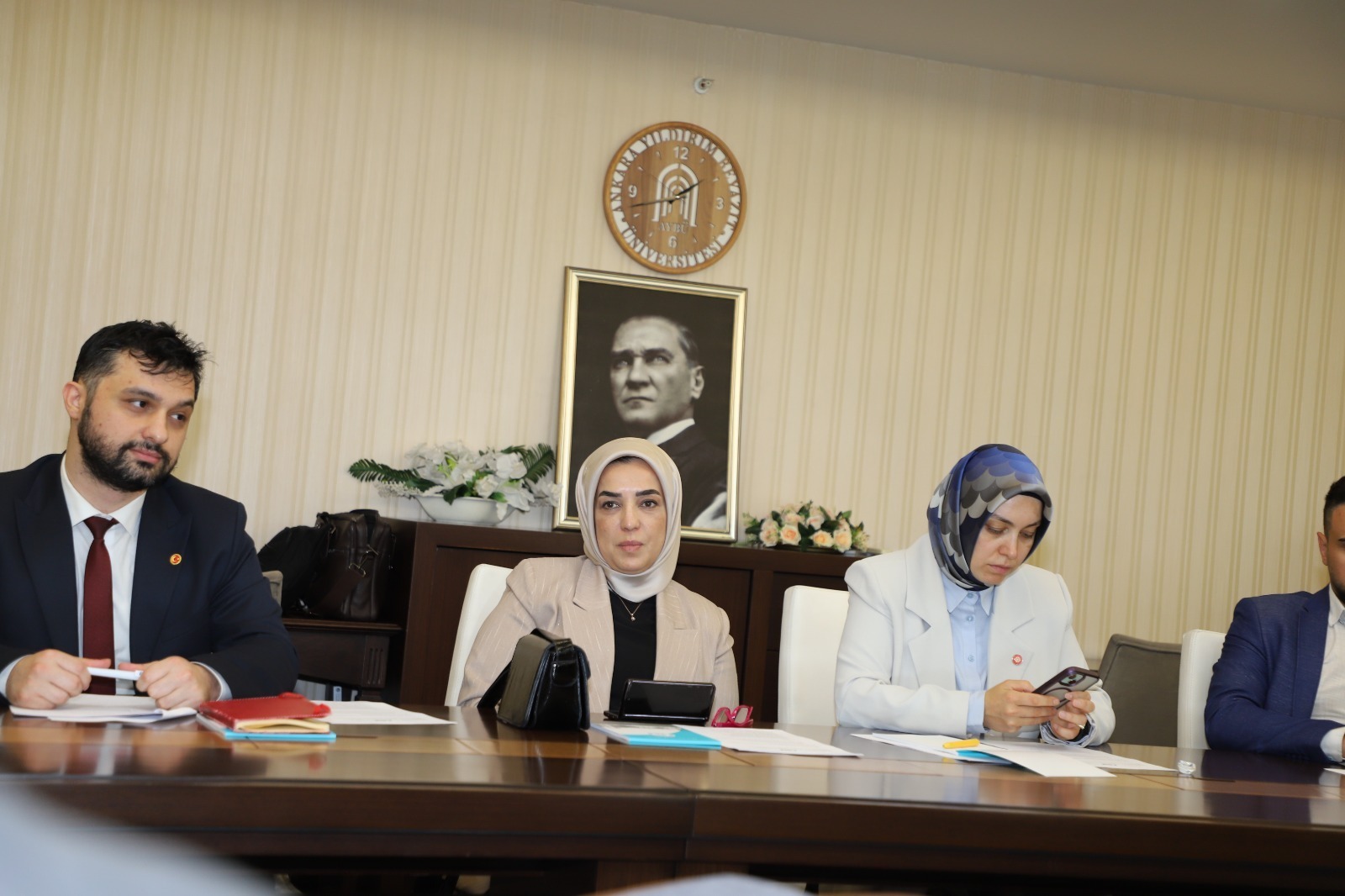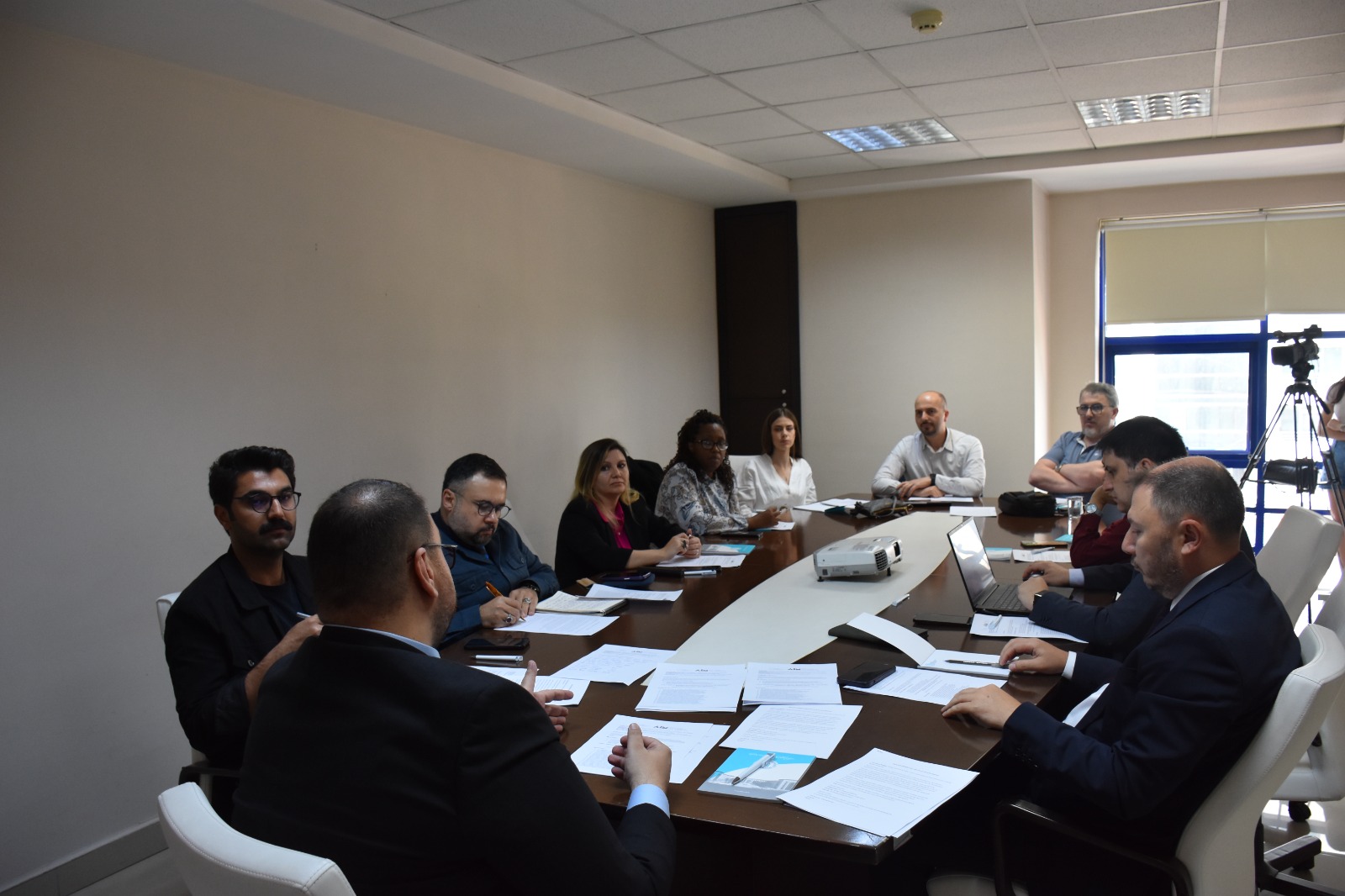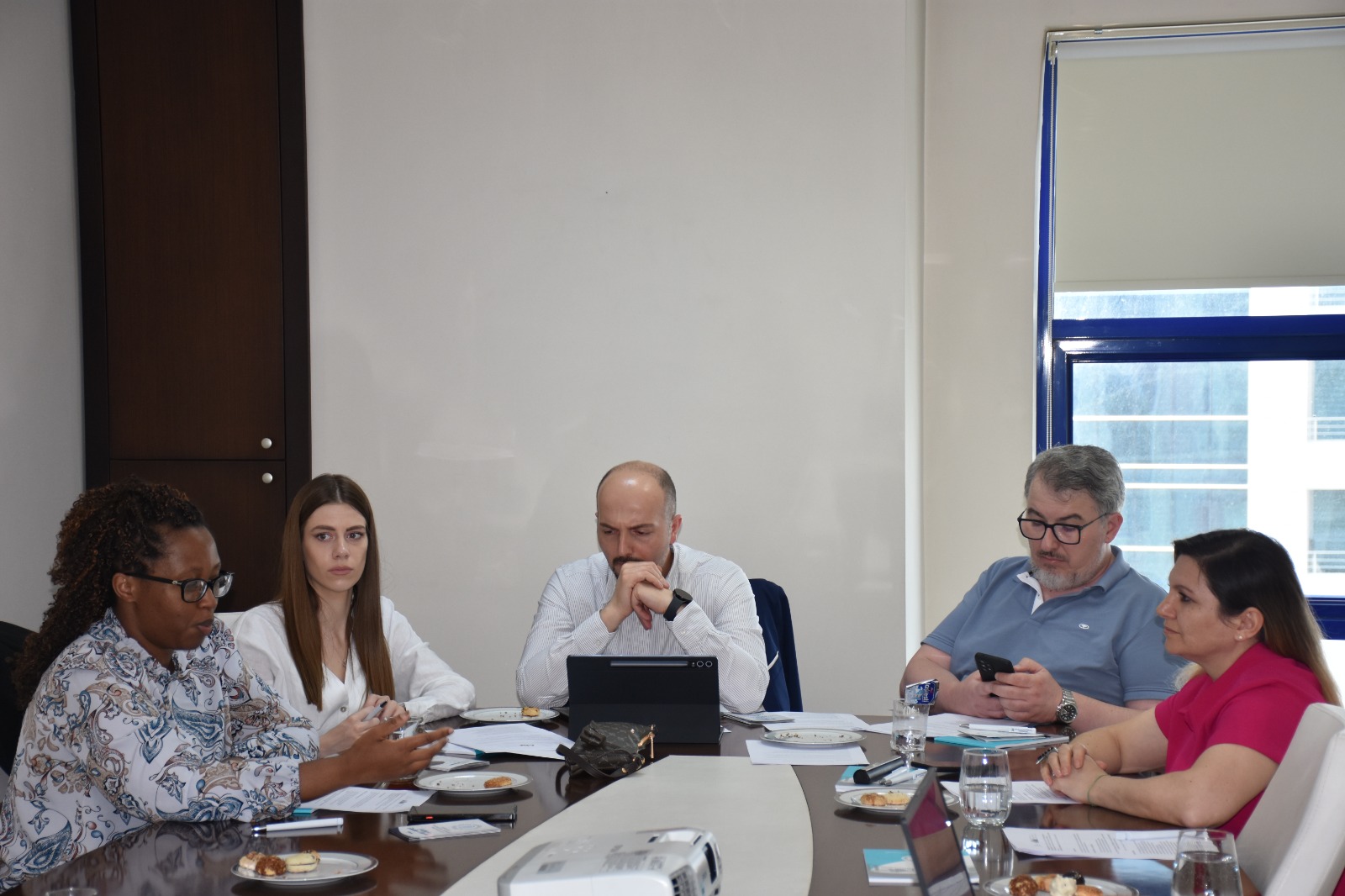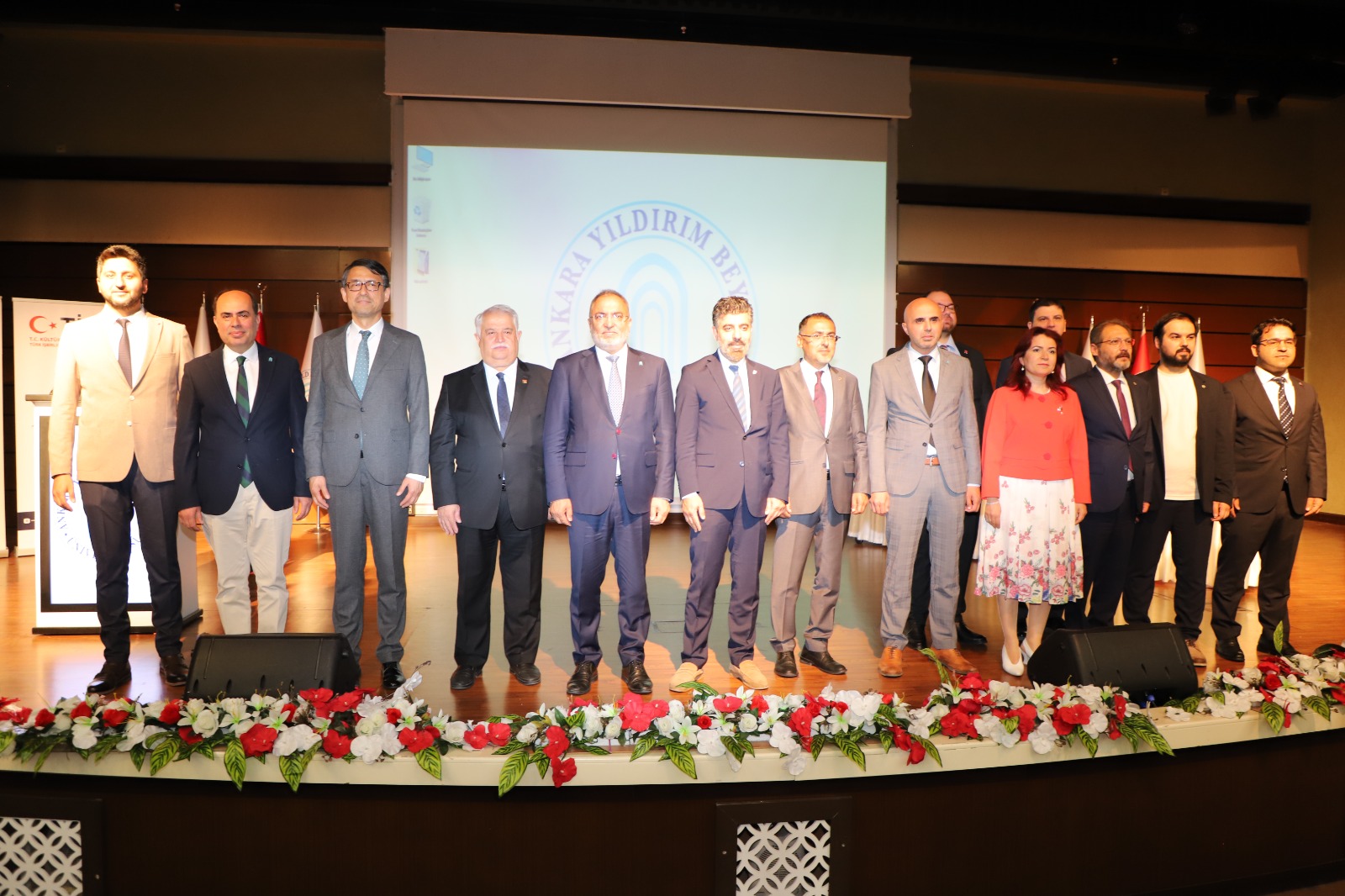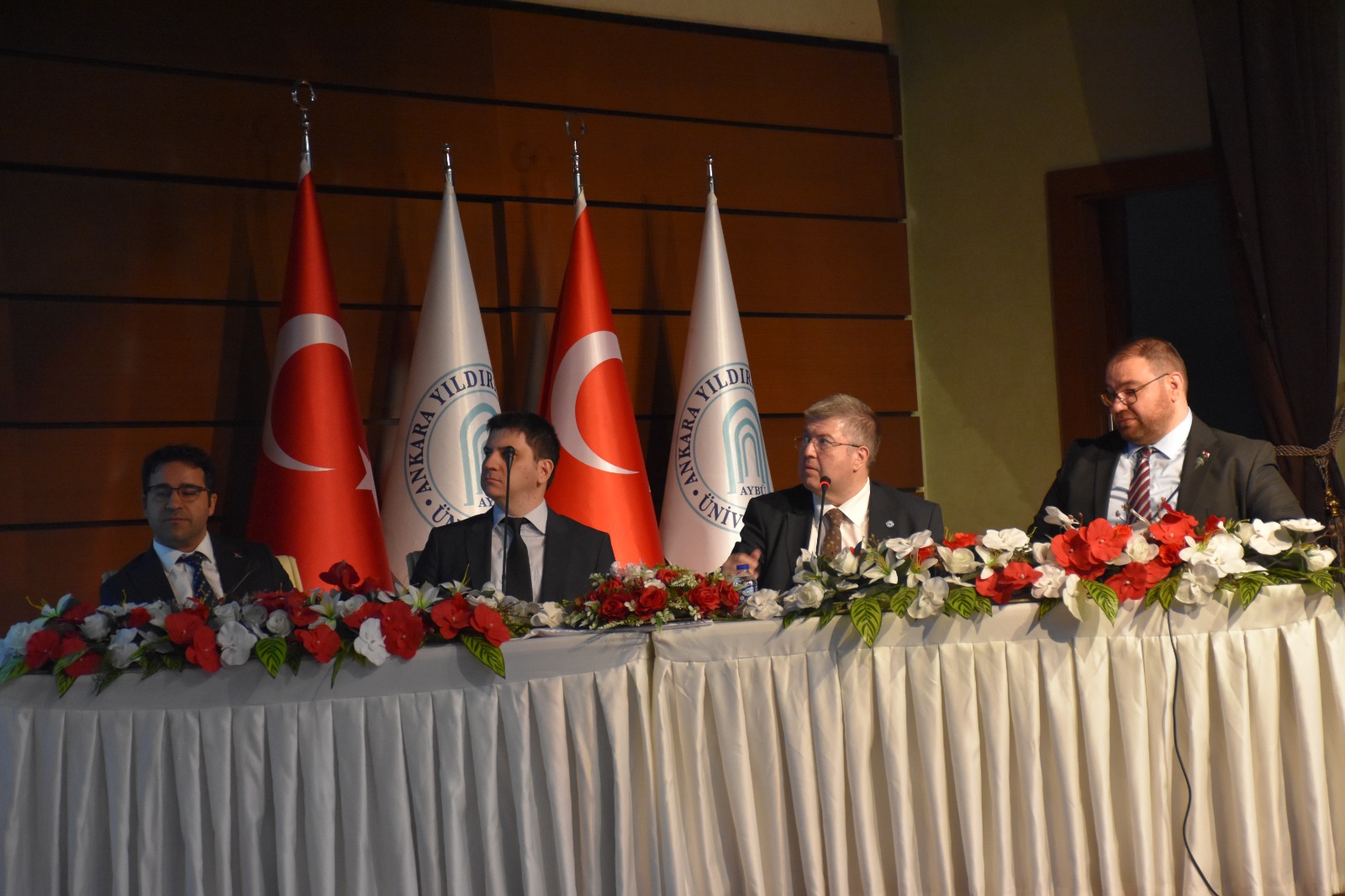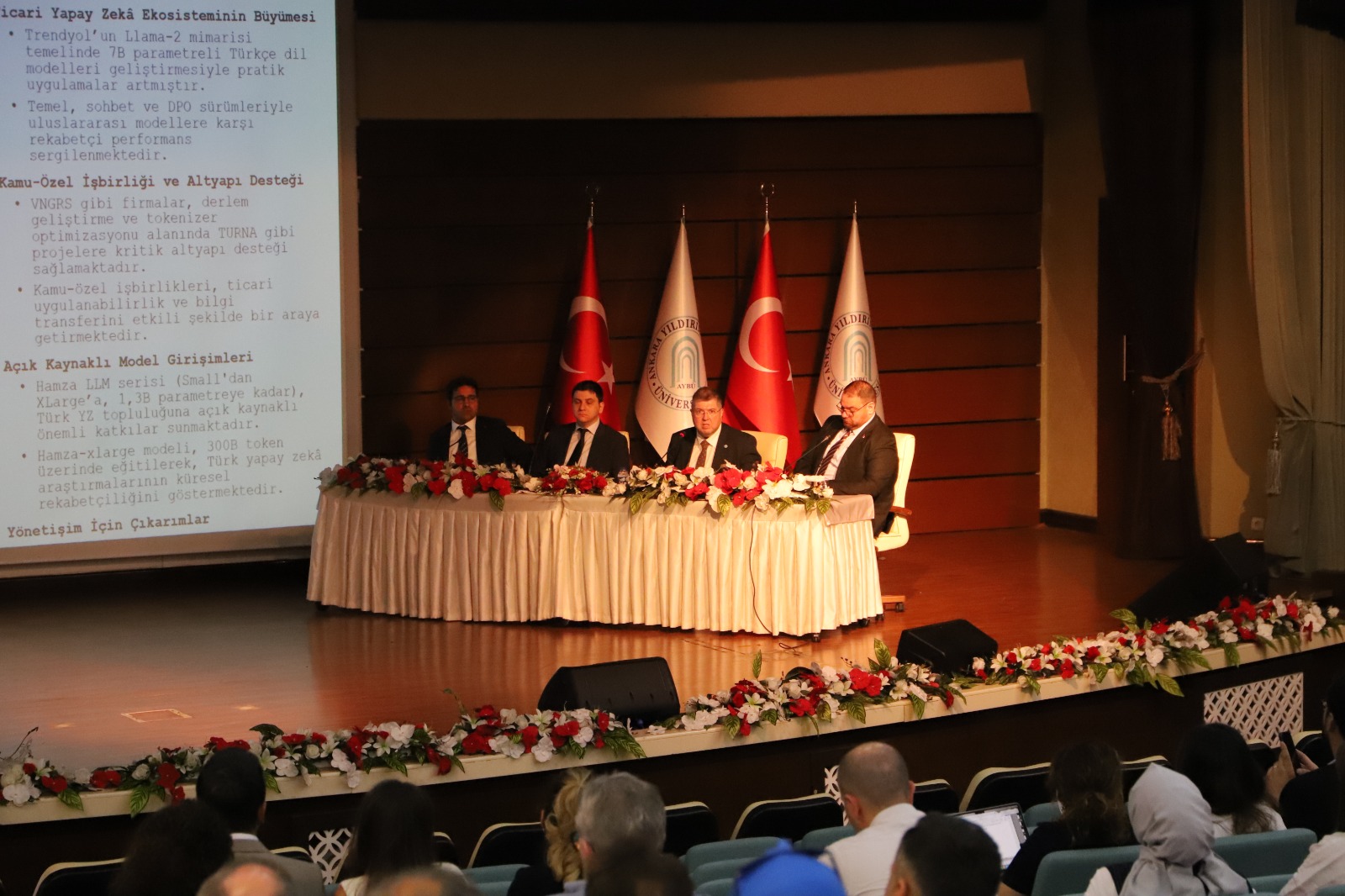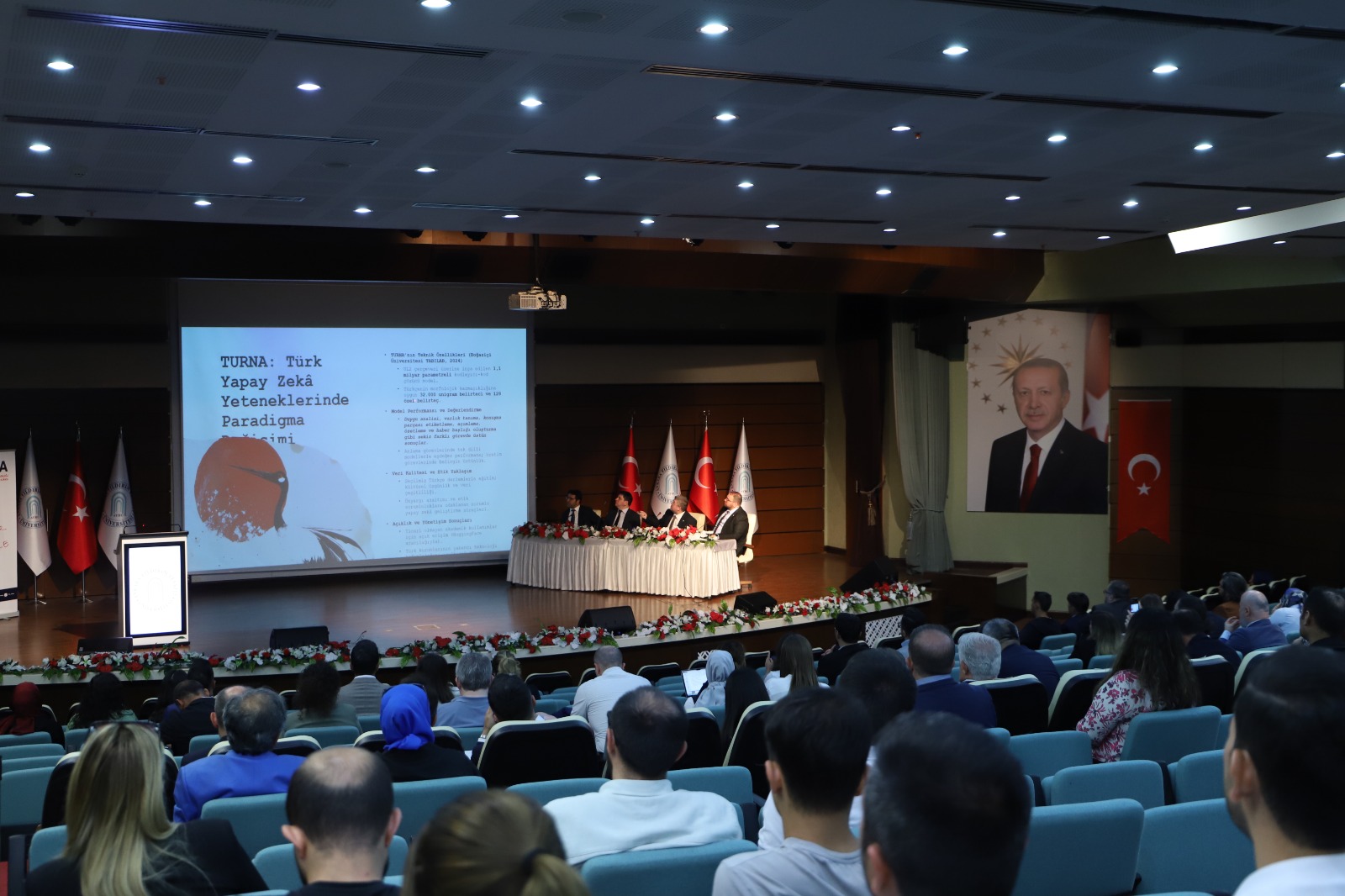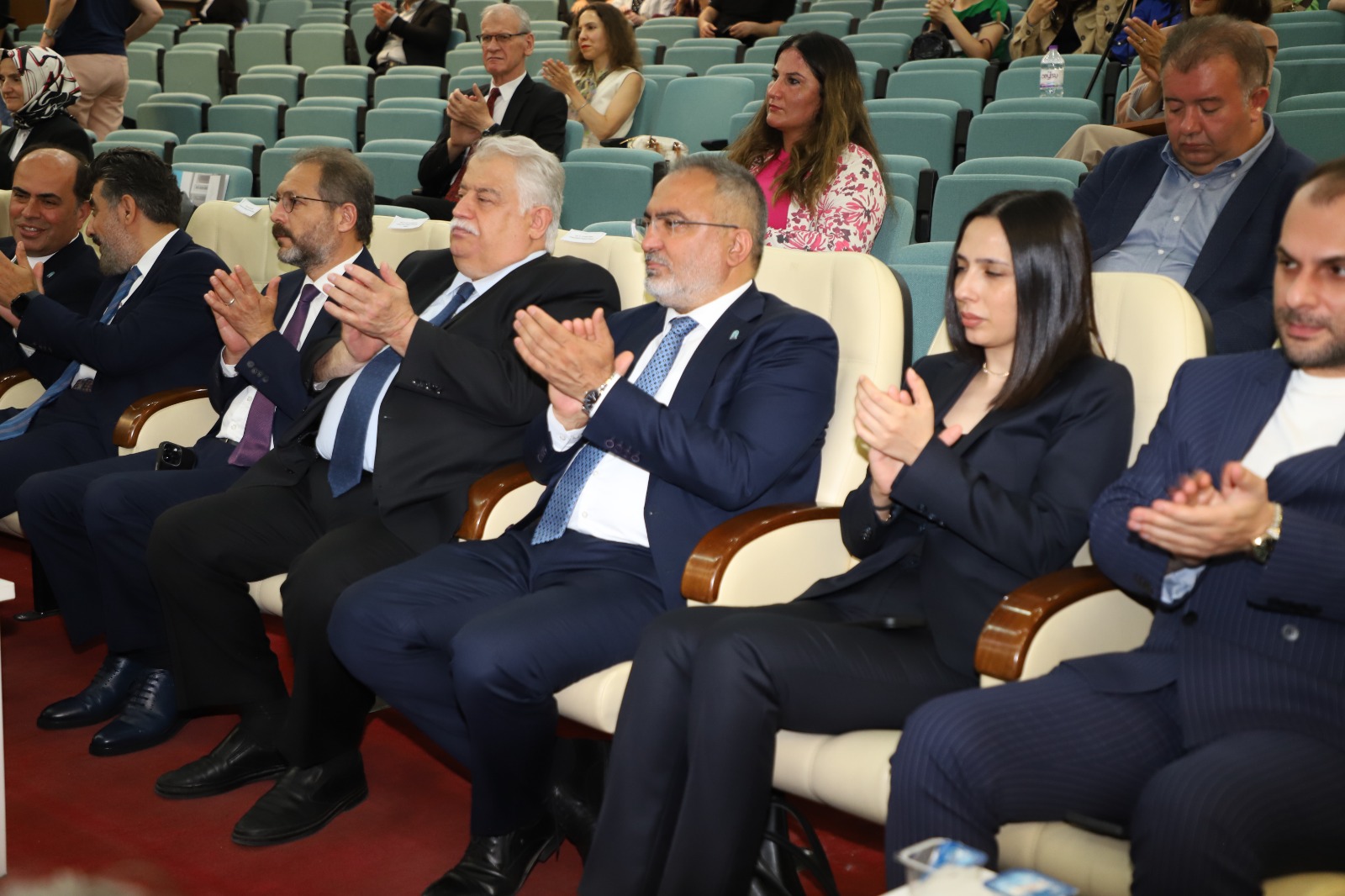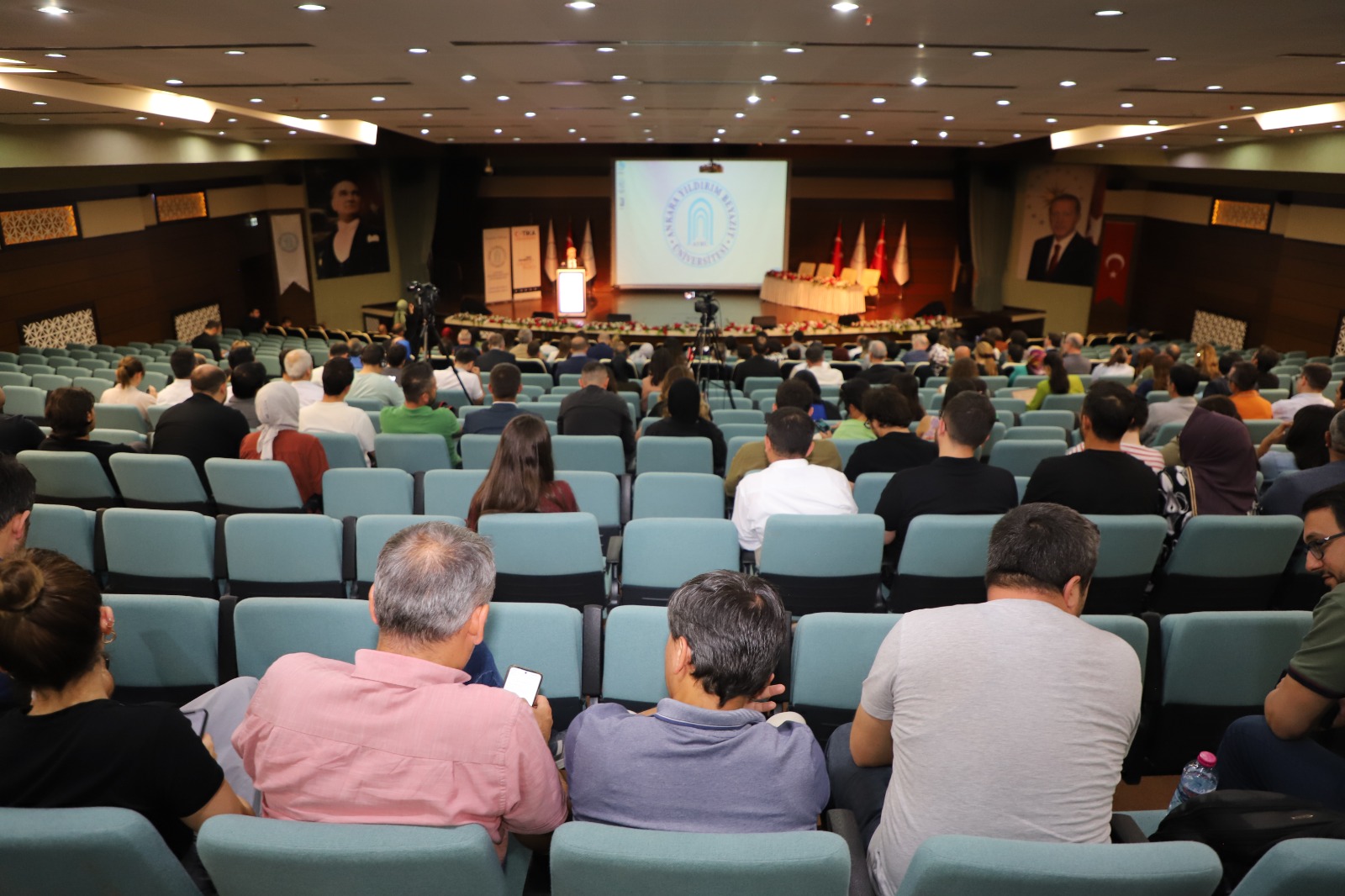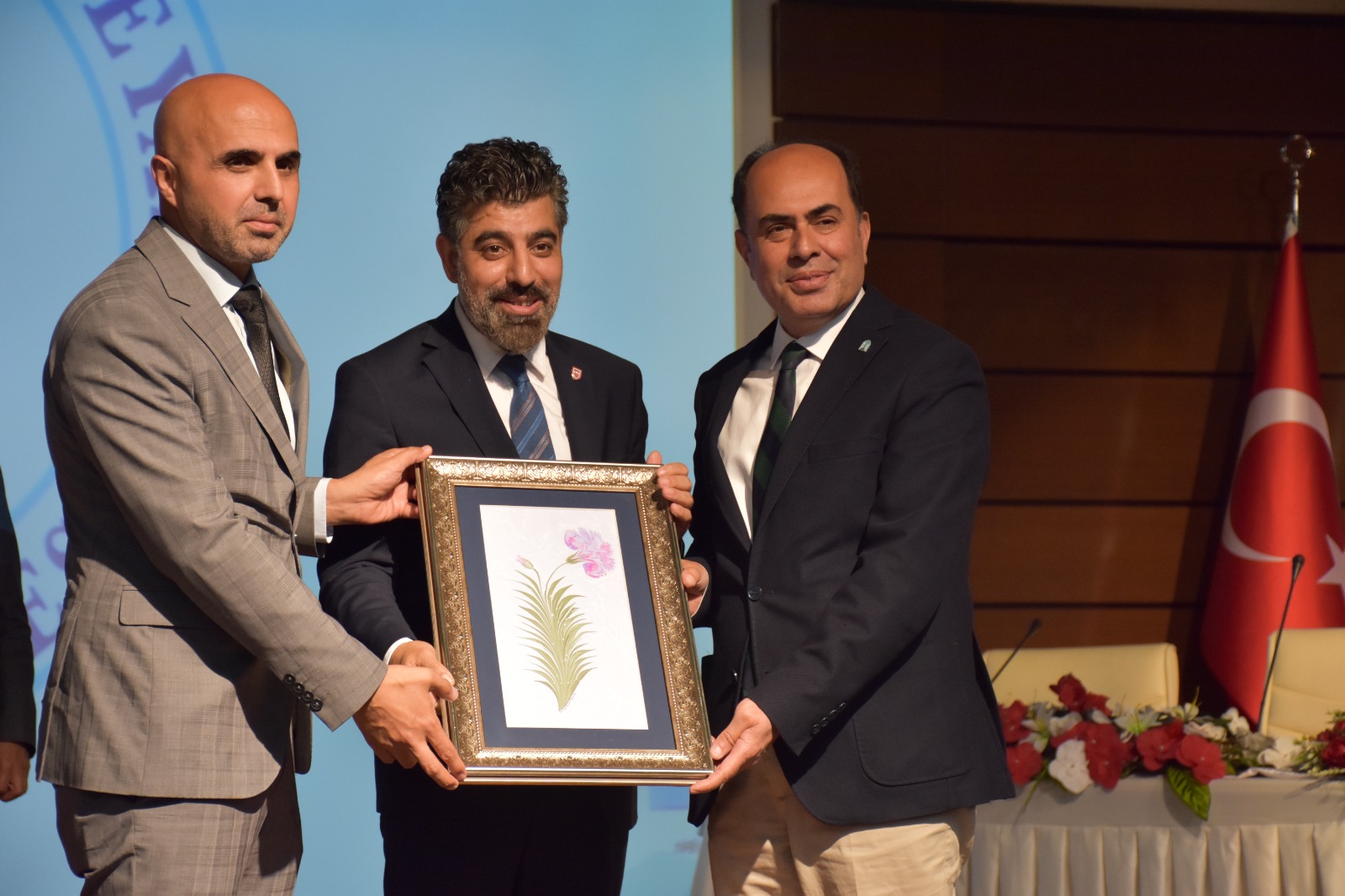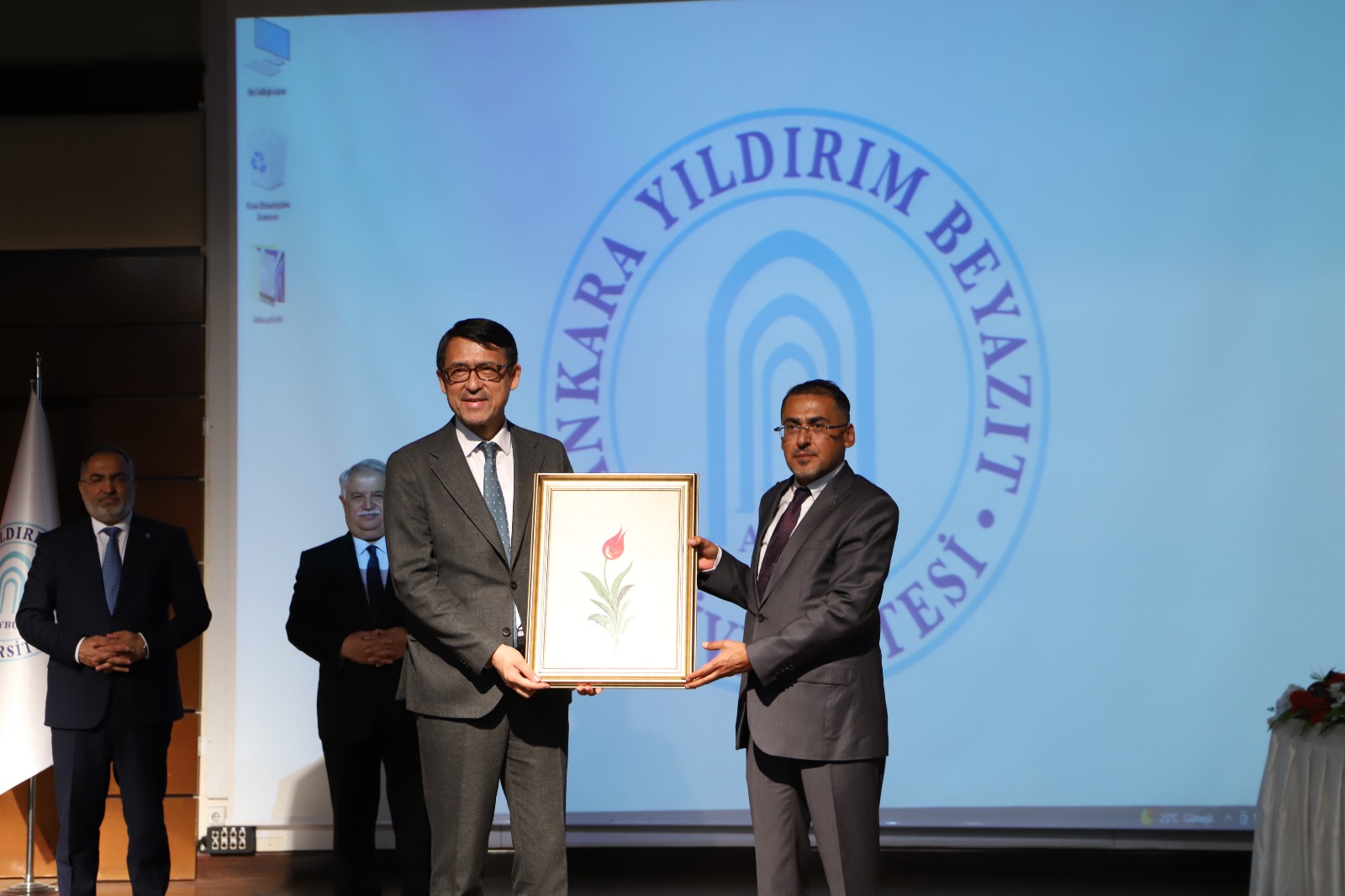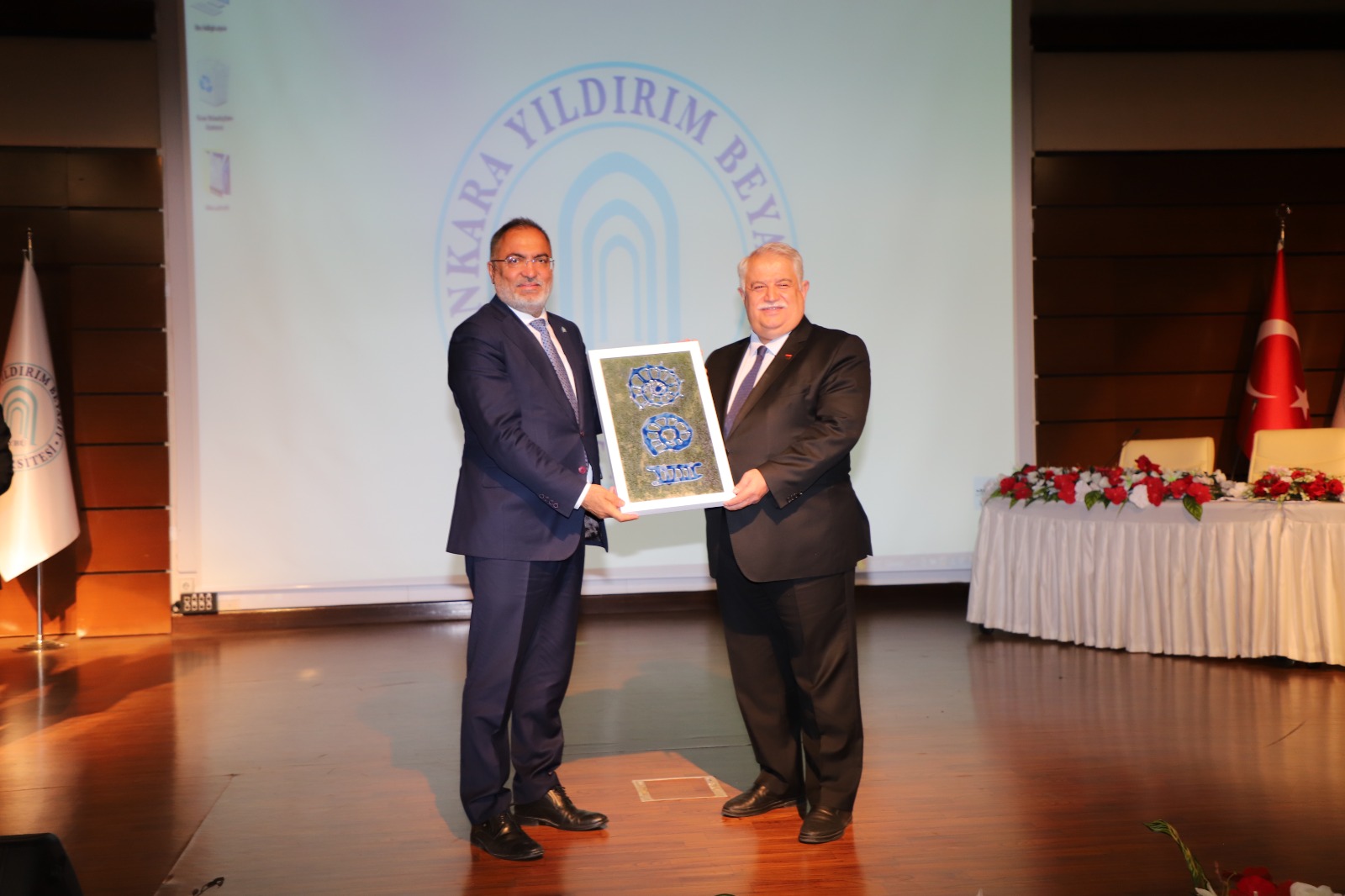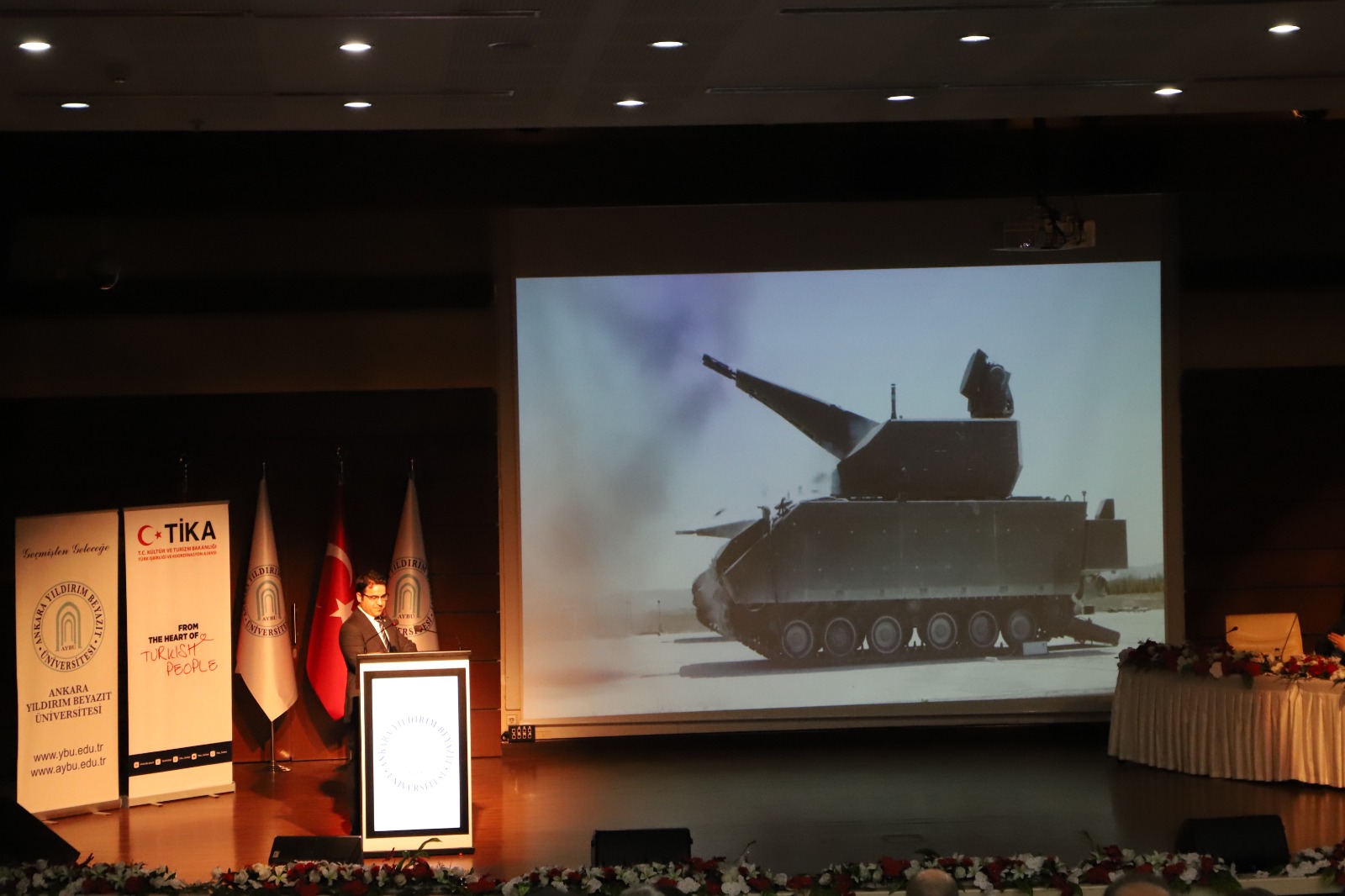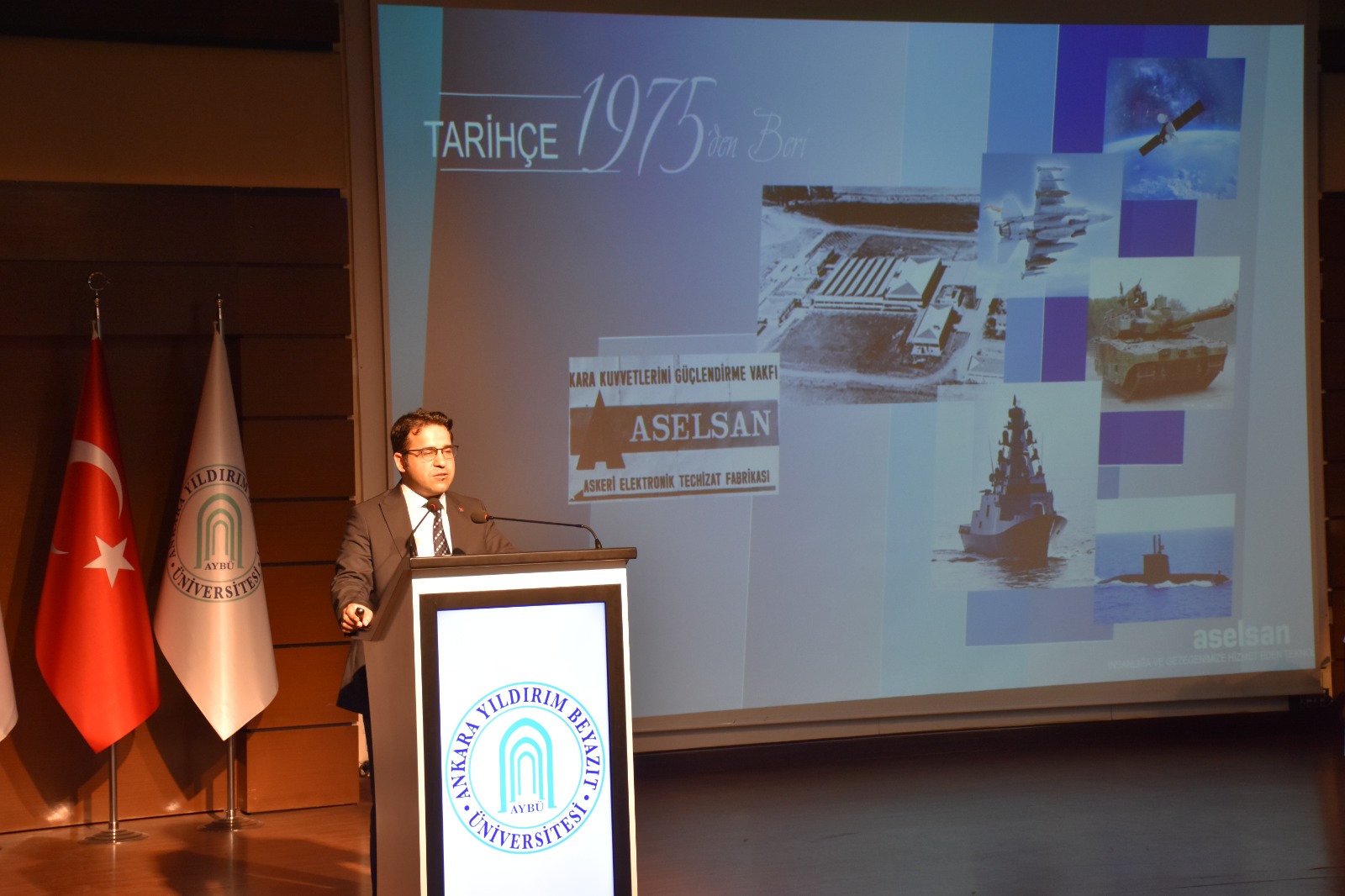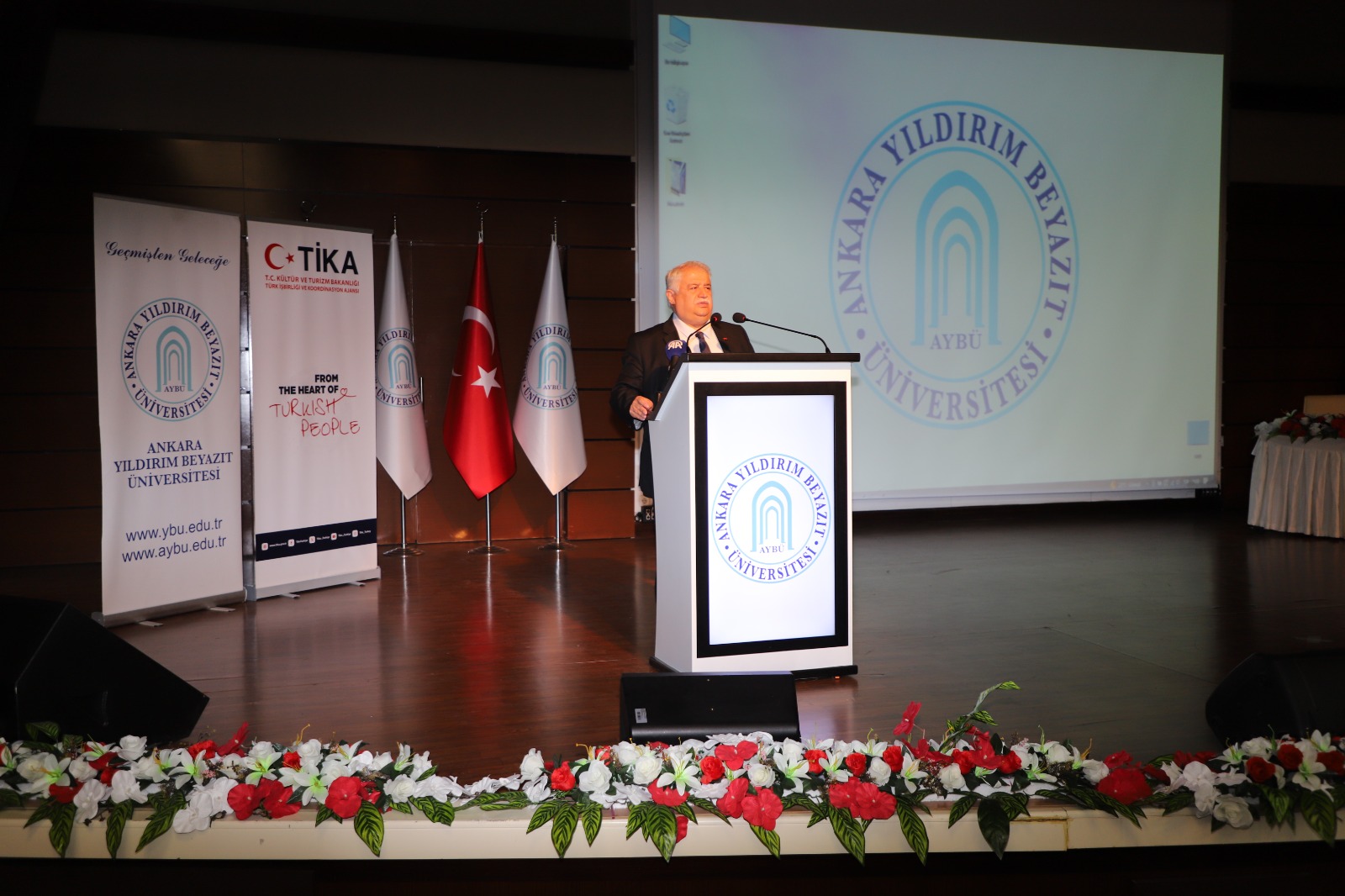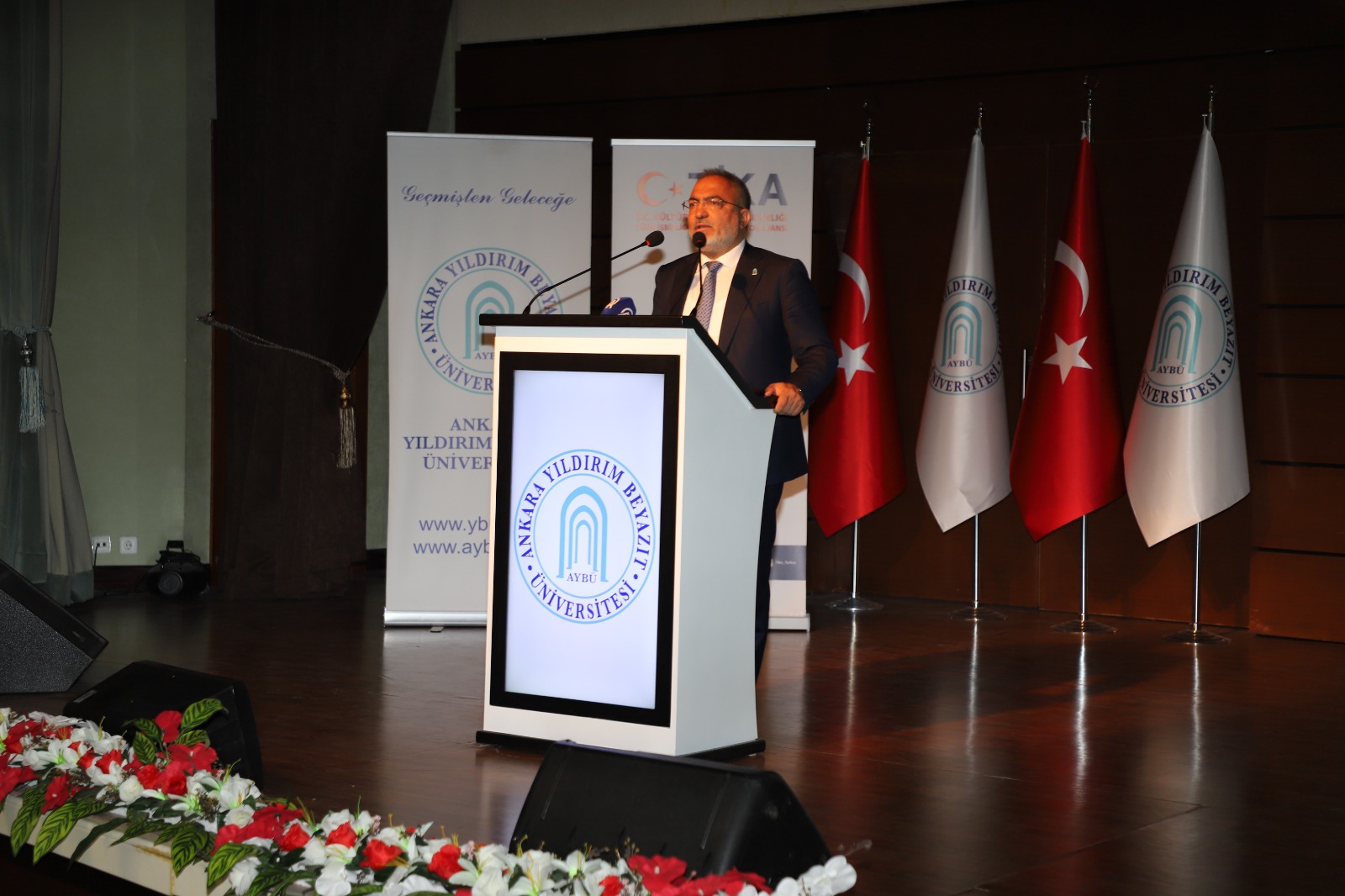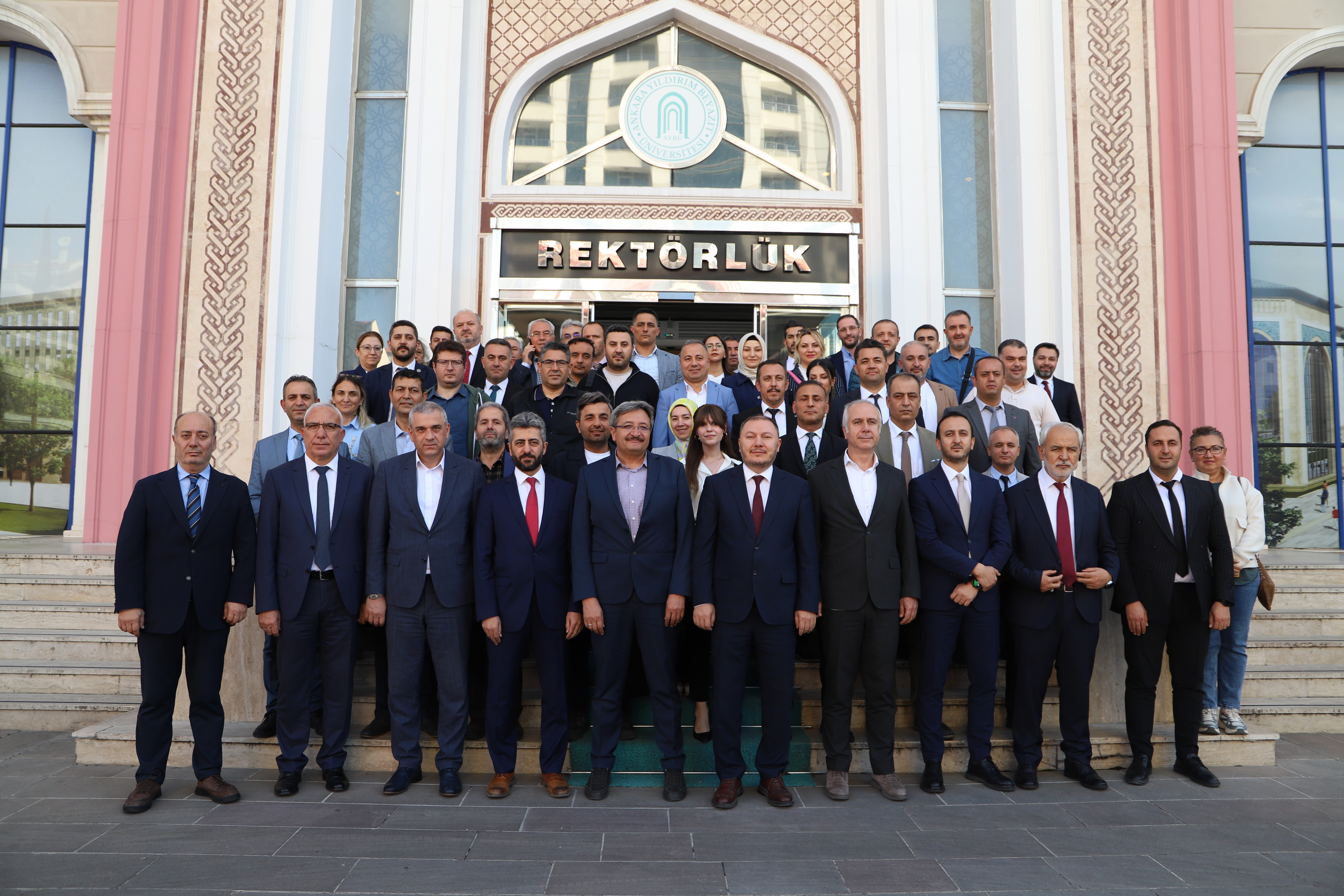


Hosted by the Artificial Intelligence and Media Laboratory of Ankara Yıldırım Beyazıt University's Faculty of Communication, with support from TİKA, the project titled "Algorithms and Human Communication: New Communication Paradigms with Artificial Intelligence" explored the transformation of human communication in the age of artificial intelligence from a multidimensional perspective. The project was led by Dr. Mustafa BÖYÜK and Assoc. Prof. Dr. Sefer KALAMAN, while participants, including academics, public representatives, and experts, discussed the changing social structures brought to the fore by artificial intelligence.
The event addressed a wide range of topics, including the introduction of domestic AI language models, the role of algorithms in communication, the limits of AI within ethical and legal frameworks, and its impact on media and society.
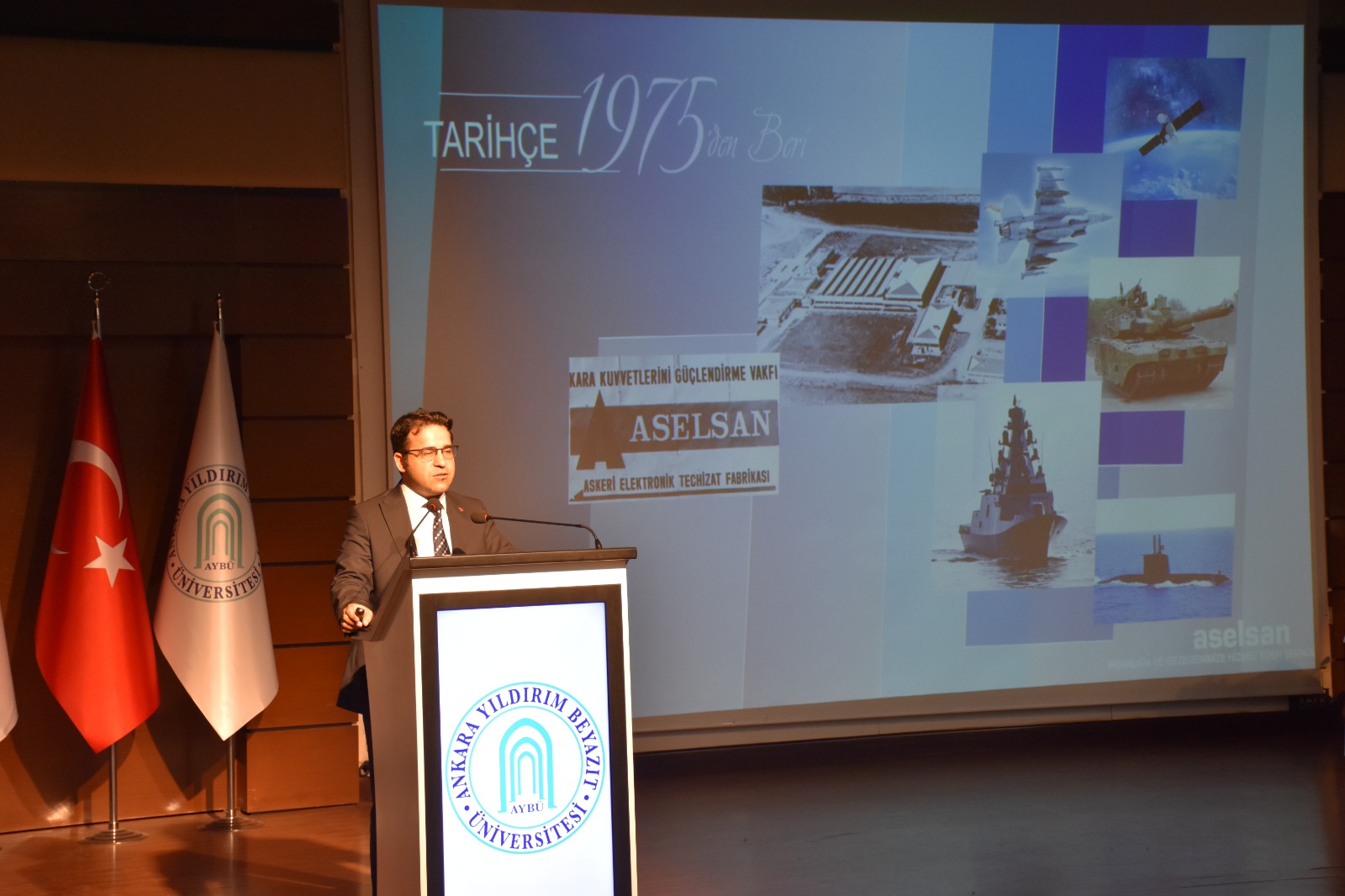
The program began with opening remarks by Prof. Dr. Enderhan KARAKOÇ, Dean of AYBU's Faculty of Communication, and Prof. Dr. Ali Cengiz KÖSEOĞLU, Rector of AYBU. TİKA Vice President Dr. Rahman NURDUN, International Balkan University Rector Prof. Dr. Lütfi SUNAR and TÜBA President Prof. Dr. Muzaffer ŞEKER contributed to the panel, which discussed how domestic technologies can be used in media and public communication.
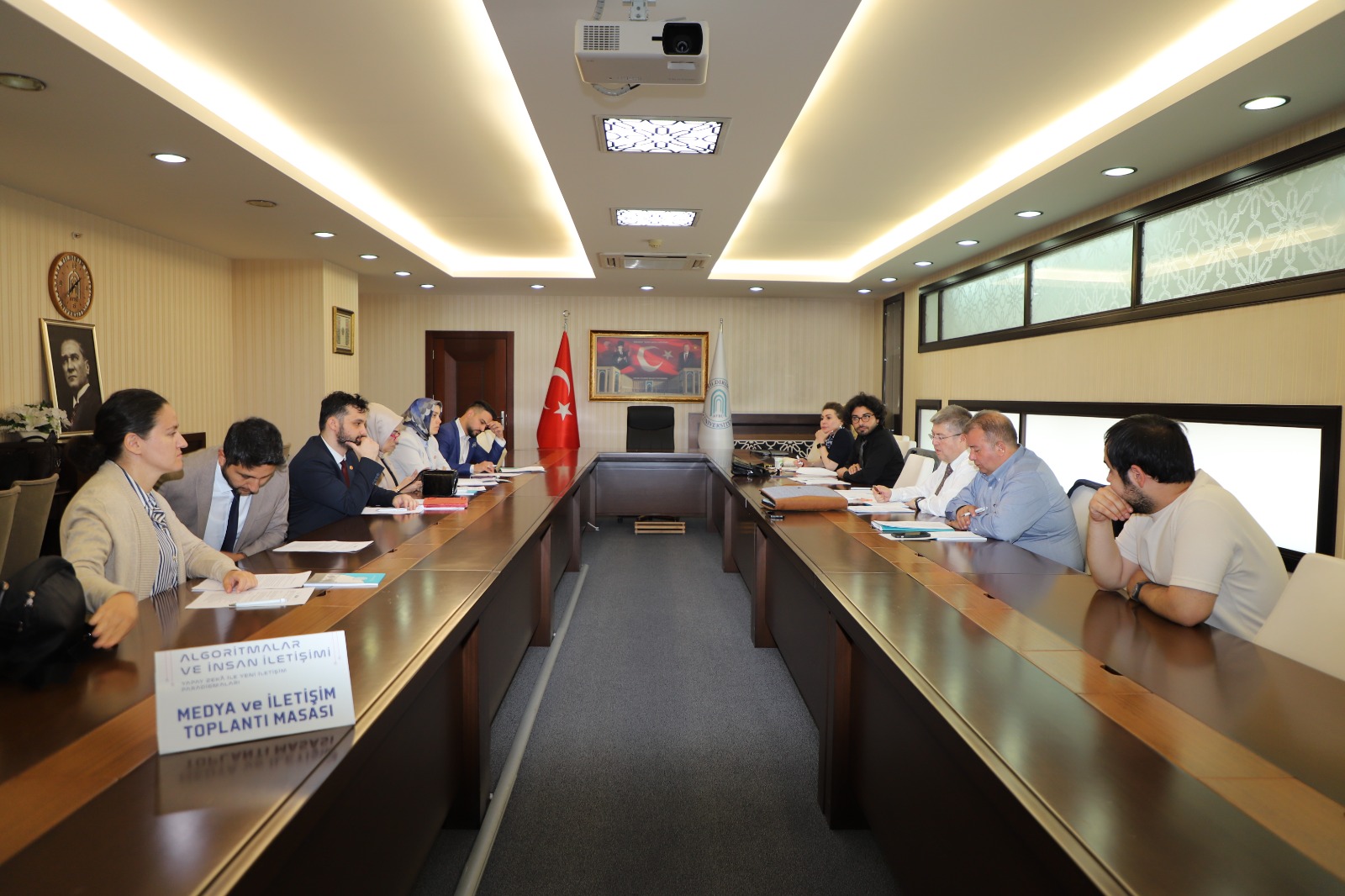
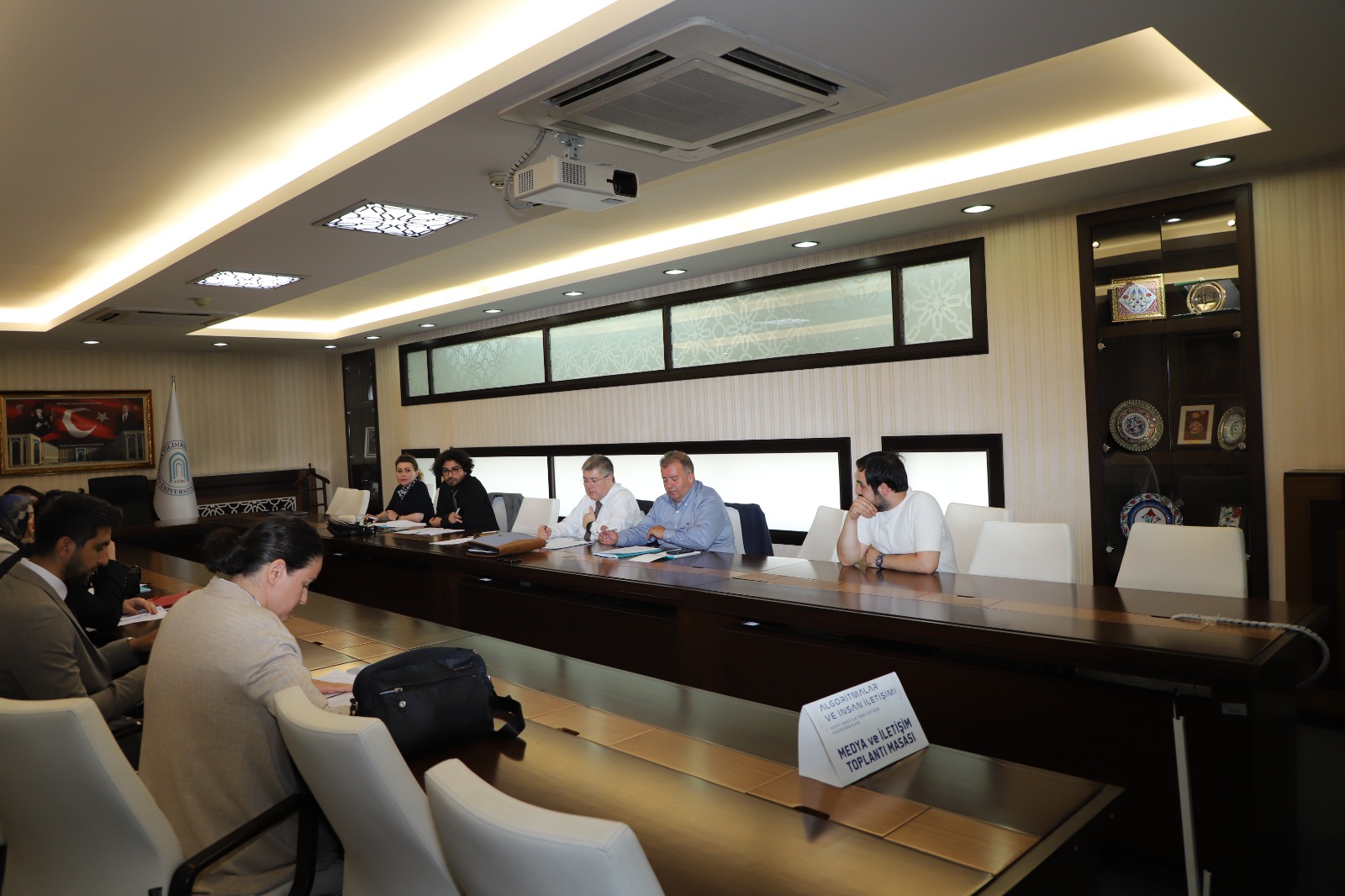
In the afternoon section of the event, simultaneous roundtable discussions were held on three different themes.
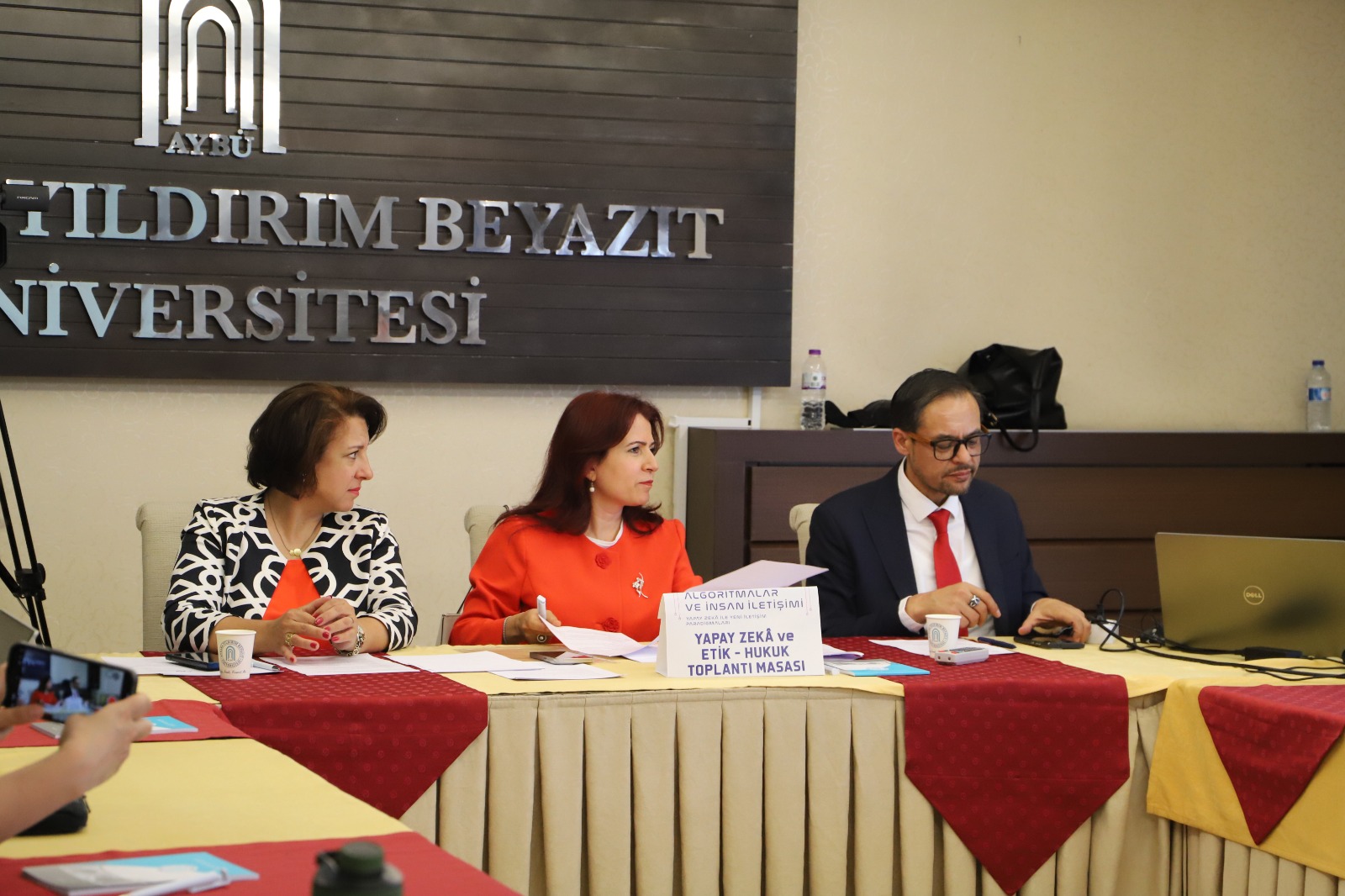
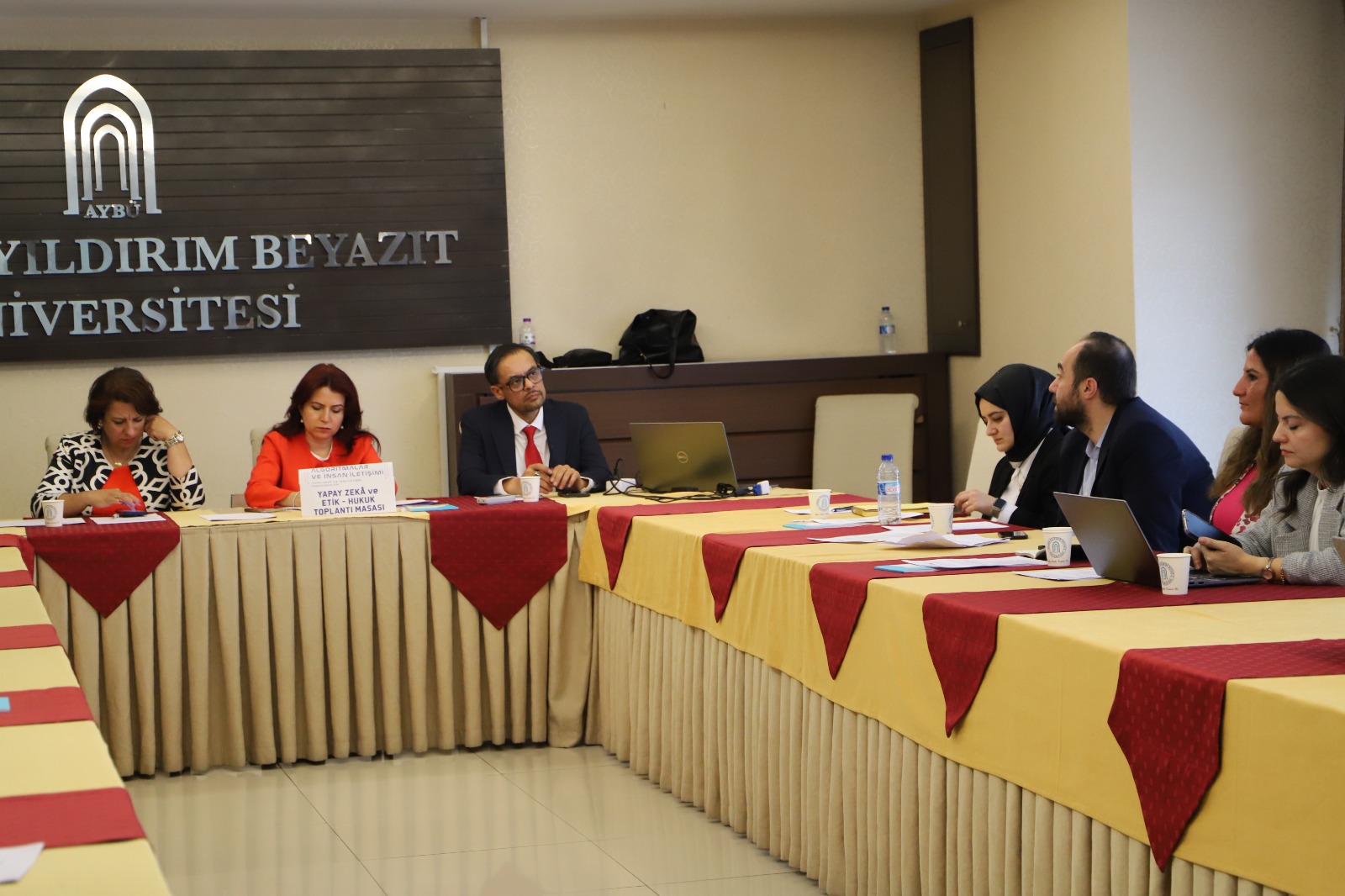
The Ethics and Law session was chaired by Prof. Dr. Neslihan Karataş DURMUŞ of AYBU Faculty of Law. The session addressed the legal and ethical responsibilities arising from artificial intelligence technologies. The potential impact of the European Union's Artificial Intelligence Law on the Turkish legal system was evaluated, while topics such as the concept of a digital constitution and the impartiality of algorithms were also important topics of discussion.
The Media and Communication session, chaired by Prof. Dr. Burhanettin Aykut ARIKAN, a faculty member at a Turkish-German University, addressed the integration of generative AI tools into journalistic practices. Topics such as the risks posed by deepfake technologies to media ethics, algorithmic biases in news content, the echo chamber effect on social media, and media transparency were addressed from a multifaceted perspective.
The Society and Digital Culture session, chaired by Prof. Dr. Erman AKILLI, a faculty member at Ankara Hacı Bayram Veli University, addressed social dimensions such as the impact of artificial intelligence on daily life, the transformation of cultural values, the reproduction of gender roles, digital surveillance mechanisms, and the reflection of cultural differences on algorithms.
The program highlighted ethical boundaries and the need for legal regulation in areas such as the use of artificial intelligence in the justice system, algorithmic discrimination, digital surveillance, and the automated generation of media content. Participants evaluated both the opportunities brought by technological advancements and the risks to individual rights and societal values.
At the end of the event, the goal of increasing interdisciplinary collaborations, developing policy recommendations, and establishing sustainable academic networks was emphasized.
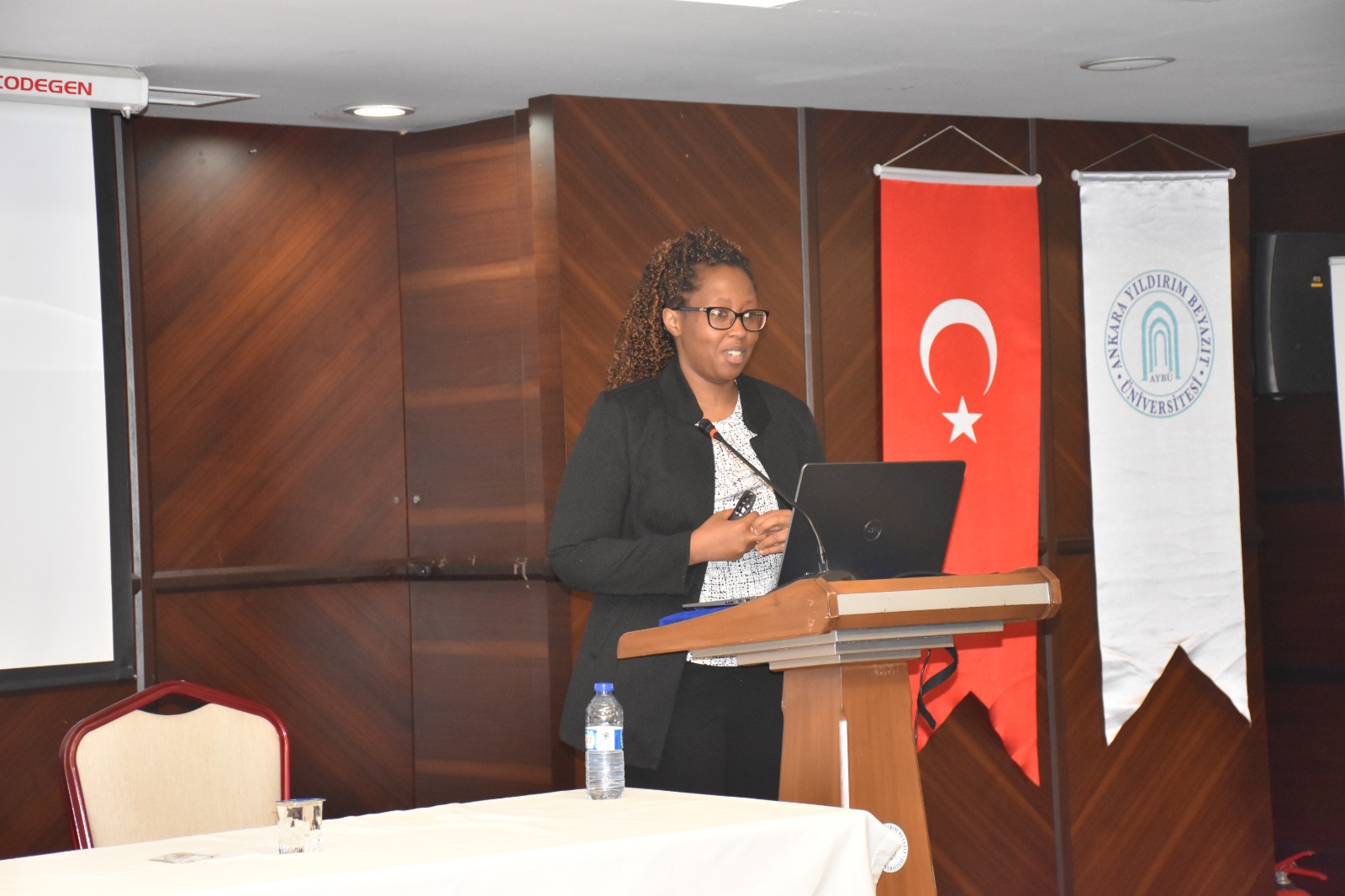
On the second day of the panel, participants gathered for insightful sessions. The highlight of the day was a seminar hosted by Dr. Elizabeth Njatha, an expert in the field. Following the seminar, roundtable discussions were held to elaborate on the topics discussed during the panel. The event concluded with the sharing of the meeting reports and the final declaration.